


Quick Answer: Why LED Grow Lights?
LED grow lights are often the most practical light source for indoor gardening because quality models can provide plant-focused spectrum, use less energy than many HID systems, and last 50,000 to 100,000 hours. They still produce heat, but usually less radiant heat at the plant canopy than HID lights, which can simplify mounting and cooling. Full-spectrum LEDs can support multiple growth stages when output, spectrum, and schedule match the plant.
For herbs on a windowsill, indoor houseplants, seed starts, or a commercial greenhouse, choosing the right LED grow light (also called LED plant lights) is crucial to plant success. This guide covers what to know about selecting, sizing, and optimizing LED grow lights for an indoor garden.
Choosing the Right LED Grow Lights
The right LED grow light is the one that matches your plant type, growth stage, coverage area, mounting height, and light target. Energy efficiency and lifespan also matter, but the fixture has to fit the crop and layout first.

For herbs on your kitchen counter or a larger indoor garden, getting the right light is important to your plant's success. LED grow lights are a common choice for indoor gardening because they can provide efficient, targeted spectrum options with less heat than many HID systems.
But with so many options on the market, it can be overwhelming to figure out which LED grow light fits your setup. For indoor plants or a commercial-scale solution, we've broken down what you need to know about choosing the right grow light for your plants – from understanding light spectrums to comparing costs and energy efficiency. By the end, you'll have all the tools you need to make an informed decision and keep your indoor garden thriving.
Understanding Light Spectrum
One of the key factors in choosing an LED grow light is its light spectrum. Plants rely on different wavelengths of light to grow at each stage of their life cycle. For example, blue light helps with leafy growth during the vegetative stage, while red light supports flowering and fruiting. That's where full-spectrum LED grow lights come in — they mimic the natural sunlight that plants need for all stages of growth, from seedlings to mature plants.
If you have a mix of plants or your setup includes both vegging and flowering plants, full spectrum LED grow lights can be a practical solution. They cover all the bases, so you don't need to switch out lights or add additional bulbs for different phases of growth.

LED Grow Lights by Plant Type and Growth Stage
Different plants have different lighting needs, and it's important to match the light to your plant type and its stage of development. For example:
- Herbs and leafy greens: These plants thrive under blue light, which encourages strong leaf growth.
- Flowering plants and fruiting vegetables: For plants like tomatoes, peppers, or flowers, you'll want to prioritize a grow light with a higher red light output to maximize blooms and fruiting.
You should also consider your plants' growth stages. Seedlings usually need gentle, lower-intensity light to get started — see our guide to LED grow lights for seedlings for detailed recommendations. Mature plants often need stronger light to support active growth.
Energy-Efficient Grow Lights
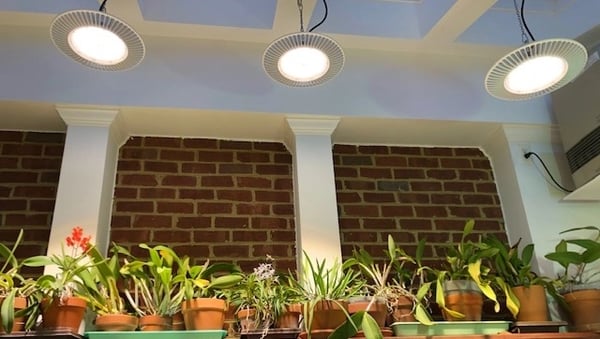
One of the main benefits of LED grow lights is their energy efficiency. Unlike older types of grow lights — such as HID (High-Intensity Discharge) or fluorescent — LEDs use significantly less electricity while providing the right amount of light for your plants. This can lower electricity costs, especially if you run your grow lights for extended periods.
LED Grow Light Comparison
Unlike outdated lighting solutions, LED technology is able to closely replicate light coming from the sun, offering solutions for the indoor growing of all types of plants. Here are a few practical reasons LEDs are often selected for growing vegetation:
- Energy Efficiency: LED grow lights consume up to 50% less energy than HIDs and fluorescent lights.
- Operating Temperature: Unlike LEDs, outdated lighting produces excessive heat and may require you to buy additional cooling systems to keep your indoor garden from overheating.
- Cost Savings: LEDs' long lifespan reduces the need for frequent replacements. While HID and fluorescent bulbs need to be replaced regularly due to burnout, LED grow lights have a much longer lifespan (more on that in the next section). This means fewer replacements and less hassle maintaining your grow setup, saving you time and money in the long run.
| Feature | LED | HID | Fluorescent |
|---|---|---|---|
| Energy Use | Low (50% less) | High | Moderate |
| Lifespan | 50,000–100,000 hrs | 10,000–20,000 hrs | 8,000–15,000 hrs |
| Heat Output | Low | Very High | Moderate |
| Spectrum Control | Full spectrum, tunable | Fixed per bulb | Limited range |
| Cooling Required | Rarely | Yes, often | Sometimes |
| Replacement Frequency | Every 5–10 years | Every 1–2 years | Every 1–2 years |
Lifespan and Durability of LED Indoor Gardening Lights
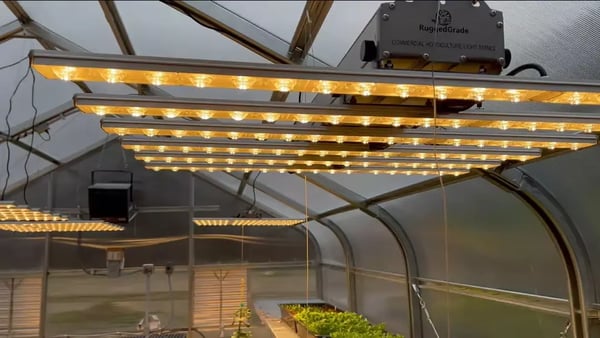
A high-quality LED grow light can last 50,000 to 100,000 hours, translating to several years of continuous operation. This is a huge advantage compared to traditional grow lights, like HID or fluorescent bulbs, which typically need to be replaced every year or two due to burnout or loss of efficiency.
Furthermore, LED grow lights maintain their performance far longer than other lighting options. While HID and fluorescent lights degrade over time, losing brightness and efficiency, LEDs depreciate more gradually. This helps keep plant-light output more predictable through the growth cycle and saves you money by reducing the need for frequent bulb replacements.
Cannabis Grow Lights
When growing cannabis versus other common indoor plants, there are several differences to keep in mind:
- Cannabis plants require more light.
- They're more sensitive to changes in temperature and seasonal shifts, meaning they depend heavily on consistent lighting to thrive. This is why electric marijuana grow lights are commonly used for cannabis cultivation in indoor settings, as they provide the stability that cannabis needs.
- Cannabis plants require more water than most other indoor plants and need a carefully managed climate to support healthy growth.
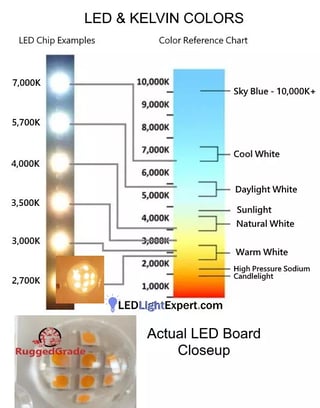
- Cannabis plants often benefit from 2700K warm lights, which optimize the red spectrum, especially around 660nm, enhancing plant performance during critical growth stages.

Setting Up Your Indoor Garden With LED Grow Lights
For a small home garden or a larger commercial operation, how you install and position your LED grow lights will greatly impact your plants' health and growth. For a deeper dive into wattage calculations and spacing, see our LED grow light power needs and spacing guide. Following is a basic guide to get you started.
1. Determine Your Light Coverage
Start by figuring out how much coverage you'll need to light your space. The right amount of light for growth differs based on the type of plant. For example:
- Cannabis: 7150 lumens (65 watts) per 2 square feet.
- Vegetables: 4400 lumens (40 watts) per 2 square feet.
- Plants: 2750 lumens (25 watts) per 2 square feet.
2. Mount Your Lights
The right mounting height for your lights depends on the type of plants you're growing and the growth stage they're in. For seedlings, mount your lights higher to avoid overwhelming them with light intensity. For mature plants, you can lower the lights to increase intensity and boost growth. As a general rule:
- Seedlings: 24-36 inches above the plants.
- Vegetative Stage: 18-24 inches above the plants.
- Flowering Stage: 12-18 inches above the plants.
3. Adjust for Light Intensity
Some LED grow lights let you adjust their intensity. This can be helpful as your plants move through different growth stages. Start with lower light intensity for seedlings, then increase the intensity as the plants mature.
4. Set a Light Schedule
Plants have different light requirements depending on their growth stage. Most plants do well with 12-18 hours of light per day. For example:
- Vegetative Stage: 18 hours of light, 6 hours of darkness.
- Flowering Stage: 12 hours of light, 12 hours of darkness. Using a timer helps ensure your plants get consistent lighting without having to remember to turn your lights on and off manually.
5. Optimize Light Placement and Coverage
For better results, place your lights evenly across the growing area. The goal is to reduce uneven hot spots and low-light corners. Here are a few tips for optimizing light placement:
- Overlapping Lights: If you're using multiple grow lights, overlap their coverage areas slightly to reduce dark spots or uneven lighting.
- Reflective Surfaces: Using reflective materials (like Mylar or white walls) around your growing area bounces light back onto your plants, maximizing the effectiveness of your LED grow lights without increasing energy usage.
VIDEO: LED Grow Lights Basics: Vegetables and Cannabis
A quick overview of how to use LED grow lights to improve your plants' health.
LED Grow Lights Buying Guide FAQs
Below, we've answered a few common questions about LED grow lights. For more information, check out the LED Learning Center.
The number of LED grow lights you need depends on grow area, fixture efficiency, mounting height, spectrum, crop, and target PPFD. Manufacturer coverage charts are useful, but final spacing should be based on usable plant-light output rather than watts alone.
Regular LED lights aren't designed for plant growth because they don't provide the specific light spectrum that plants need for photosynthesis. LED grow lights are designed to deliver useful wavelengths, including blue and red, that plants use for growth and flowering. So while standard LED lights can help plants grow to a limited extent, dedicated LED grow lights for plants are far more effective because they're engineered with the precise spectrum that drives photosynthesis.
Plants show clear signs if they're receiving too much or too little light. If your plants are stretching (getting tall with few leaves), they may not be getting enough light. On the other hand, if leaves are curling, turning brown, or drying out, they might be getting too much light. Adjust the intensity or distance of your LED grow lights accordingly.
Yes, LED grow lights can be used in greenhouses to supplement natural sunlight, especially during the winter or in areas with limited daylight. See our outdoor lighting guide for more information on supplemental greenhouse lighting. They help ensure your plants receive consistent, high-quality light throughout the year.
Most growers use full-spectrum lights that combine blue (5000K-6500K) for vegetative growth and red (2700K-3000K) for flowering. A full-spectrum LED that covers both ranges is a versatile option for mixed-stage gardens. For more on color temperature see our Kelvin Color Temperature Guide.
High-quality LED grow lights typically last 50,000 to 100,000 hours, which translates to several years of continuous operation. HID bulbs generally need replacement every 10,000 to 20,000 hours and lose efficiency well before burnout. LEDs also maintain consistent light output over their lifespan, unlike HID bulbs that degrade steadily.
LED grow lights produce significantly less heat than HID or fluorescent alternatives. While they do generate some warmth, they rarely require additional cooling systems. This lower heat output also means you can place LEDs closer to plant canopies without risking leaf burn, giving you more flexibility in smaller grow spaces.
PPFD (Photosynthetic Photon Flux Density) measures the amount of usable light reaching your plant canopy per second per square meter. It is more accurate than lumens for evaluating grow lights because it measures only the wavelengths plants actually use for photosynthesis. As a general guide, seedlings need 200–400 PPFD, vegetative growth needs 400–600 PPFD, and flowering requires 600–900 PPFD. When comparing grow lights, always check the PPFD rating at your intended hanging height.
The ideal distance depends on the light's wattage and your plant's growth stage. For seedlings, hang lights 24–36 inches above the canopy to avoid overwhelming them. During vegetative growth, lower to 18–24 inches. For flowering, position lights 12–18 inches away to maximize light intensity. Watch for signs of light stress — leaf curling, bleaching, or browning tips mean your lights are too close. For detailed distance charts and wattage calculations, see our LED grow light power and spacing guide.
Most plants need a dark period for healthy growth. During the vegetative stage, 18 hours on and 6 hours off is the standard recommendation. Flowering plants typically need 12 hours on and 12 hours off to trigger and maintain blooming. Running lights 24/7 can stress plants, reduce yields, and increase your electricity costs without meaningful benefit. A simple plug-in timer is one useful addition for many indoor gardens.
Related Articles

About the Author


Need Help Choosing the Right LED Grow Lights?
Our lighting specialists can help match spectrum, output, mounting height, and coverage to your indoor garden, greenhouse, or commercial growing operation.
SHOP LED GROW LIGHTS


