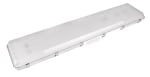
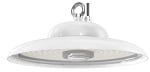
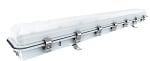
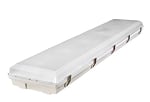
NSF Rated LED Lighting for Food Processing
USA Based Experts in less than 60 seconds Call Now: 800-674-9420
On orders over $49.00
Up to 7 Years Free Warranty On LED Lights

NSF food-safe lighting is used where fixtures must be cleanable and appropriate for food preparation, food processing, washdown areas, cold storage, beverage production, and inspection-sensitive spaces. The fixture should match the food zone, cleaning method, mounting height, IP rating, lens material, and local inspection requirement.
NSF International is an independent standards and certification organization. For lighting, the relevant listing often focuses on sanitation, cleanability, materials, sealed construction, and resistance to contamination risks. Confirm the exact listing on the product data sheet before using a fixture in a regulated food area.
Look for sealed lenses, shatter-resistant materials, smooth housings, corrosion-resistant hardware, appropriate IP ratings, and construction that avoids places where food residue, dust, grease, or moisture can collect. In washdown areas, the fixture must handle the cleaning method used on site.
IP ratings describe ingress protection against solids and water. IP65, IP66, IP67, and IP68 ratings mean different levels of protection, so match the fixture to the environment rather than assuming every sealed light is acceptable for every food zone.

Do not replace an NSF-rated fixture with a non-rated product in a regulated area. For retrofits, confirm voltage, mounting, lens type, gasket condition, cleaning exposure, and whether the fixture is in a splash zone or non-food zone.
Good lighting supports food-prep visibility, but certification and sanitation design are what determine whether a fixture belongs in the space. Keep product listings and maintenance records available for inspections.
The NSF lighting guide focused on NSF P442, NSF/ANSI 2, food preparation areas, controlled environments, and cleanable fixture design. NSF P442 is commonly discussed for lighting used in controlled environments where low air pollutants, cleanability, durability, and material selection matter. The product listing should be checked directly because the required certification can vary by facility and inspection authority.
Food facilities may include non-food zones, splash zones, washdown areas, kitchens, beverage production, cold storage, and processing rooms. Steam, grease, oil, high temperature, pressure washing, and cleaning chemicals can all affect fixture selection. A fixture used above consumer-ready food needs a sealed lens, shatter-resistant materials, and a body that does not create places for bacteria, dust, or food residue to collect.
IP ratings should be read carefully. The first digit describes protection from solids, including dust entry. The second digit describes water protection. IP65, for example, is commonly associated with dust protection and water jets, while higher ratings may be needed for harsher washdown or exposure. Do not assume an IP rating alone is the same as NSF certification.
Lighting still has to provide adequate illumination for the work. Compare lumen output, lens material, mounting height, optics, cleaning exposure, fixture body material, and corrosion resistance. The goal is a fixture that supports visibility, sanitation, maintenance, and inspection requirements without introducing glass or contamination risk.
Lighting is essential in food preparation because employees must see clearly while keeping equipment clean and safe. NSF certified lights are designed to meet sanitation and cleanability expectations for food-related environments. The certification helps show inspectors and facility managers that the fixture materials, lens, housing, and construction are appropriate for the listed use, but the exact product data sheet should always be reviewed.
Food facilities may include kitchens, packaging rooms, cold storage, washdown areas, beverage production, and inspection lines. These spaces can expose fixtures to moisture, grease, dust, cleaning chemicals, impact, and temperature changes. NSF food-safe fixtures often incorporate sealed housings, shatter-resistant lenses, corrosion-resistant hardware, and smooth surfaces that reduce places where contaminants can collect. Choosing the right fixture supports sanitation planning and helps the project meet health-code and local inspection requirements.
NSF certification means the fixture has been evaluated for sanitation-related requirements such as cleanability, materials, and resistance to contamination risks in food-related environments.
They are used in commercial kitchens, food processing, beverage production, cold storage, washdown areas, and other spaces where fixtures may be exposed to cleaning, moisture, or food-safety inspections.
Look for sealed lenses, shatter-resistant materials, cleanable housings, stainless or corrosion-resistant hardware, appropriate IP ratings, and listings that match the inspection requirement.
Yes, but the replacement should be suitable for the food zone, cleaning method, mounting location, and inspection requirement. Do not replace an NSF-rated fixture with a non-rated product in a regulated area.
NSF-listed LED fixtures can support food facility sanitation and inspection requirements when the product listing matches the food zone, cleaning method, and environment. Use the products above as a starting point, then confirm NSF listing, IP rating, lens material, mounting, and washdown exposure before ordering.
Contact LED Light ExpertNSF certified light fixtures are listed for use in two distinct locations, and the distinction governs which fixture belongs where. Non-food zones are areas where product is not exposed. Splash zones are areas where food, ingredients, or surfaces that contact them may be splashed or exposed during normal operation. A fixture listed for one is not automatically appropriate for the other, and specifying the wrong zone is the most common failure in a food-plant lighting package.
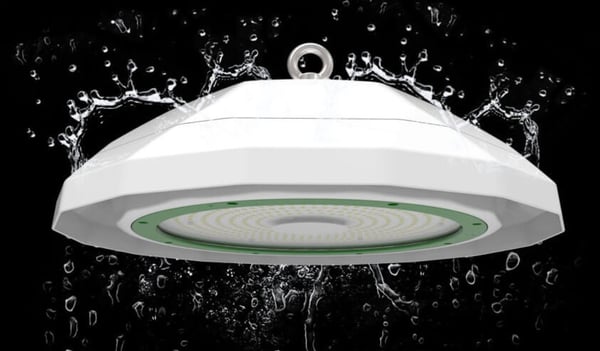
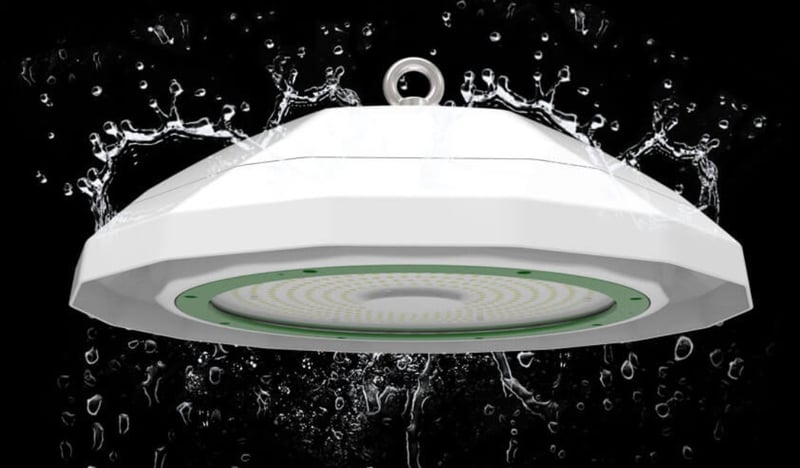
The construction follows from the requirement. Housings are die-cast aluminium, which dissipates heat and keeps the fixture running cool, with sealed lenses and gaskets that keep dust and moisture out. Fixtures built for food preparation areas are rated to withstand high-pressure water jets, so washdown is a routine operation rather than a risk to the fixture.
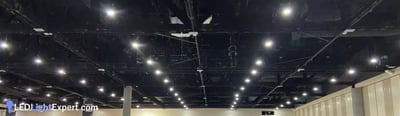
On performance, LED high bay fixtures in this class deliver up to 130 lumens per watt, well above the high-intensity discharge and fluorescent fixtures they replace, which matters because food processing and inspection areas need high visual acuity. A standard 120 degree polycarbonate lens suits mounting heights in the 15 to 25 foot range typical of processing halls.
Two things worth confirming before ordering: the specific NSF listing and zone for each fixture, and whether the facility has its own written requirement above the NSF baseline. Many processors do, particularly around lens material and shatter containment.
NSF listed fixtures cost more than general-purpose industrial fixtures, and the premium buys the certification, the sealing, and the washdown-rated construction. On an audited facility that is not optional, so the useful question is not whether to specify NSF but which zones require it and which areas of the plant can take standard industrial fixtures.
What comes with every order:
Send the ceiling height, the area square footage, and a breakdown of which areas are splash zone and which are non-food zone. If you are working to a specific auditor or customer specification, send that too - it is faster than working backwards from a fixture list.
Request PricingCall Now: (800) 674-9420
Dara Greaney is the CEO and President of LEDLightExpert.com, a leading company in commercial lighting solutions. Since 2015, he has led the company to achieve remarkable growth and recognition, including being an Inc5000 winner three times: No. 3783 in 2022, No. 2428 in 2021, and No. 531 in 2020.
Editing by David Peguero.
On orders over $49.00
Up to 7 Years Free Warranty On LED Lights