LED Solar Wall Lights

USA Based Experts in less than 60 seconds Call Now: 800-674-9420
On orders over $49.00
Up to 7 Years Free Warranty On LED Lights


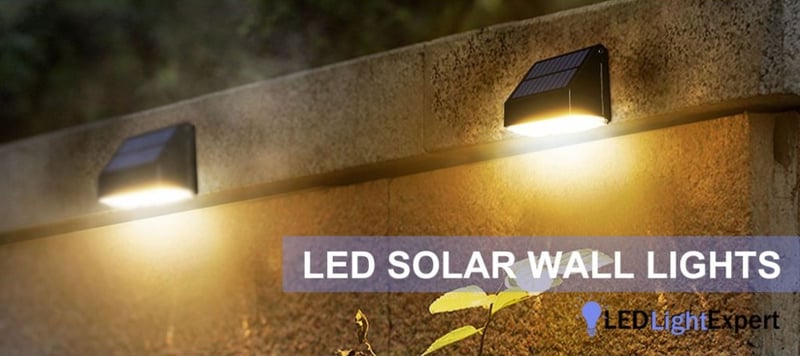
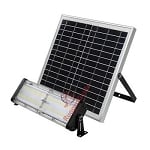
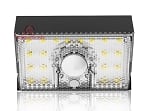
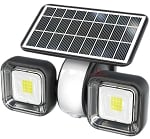
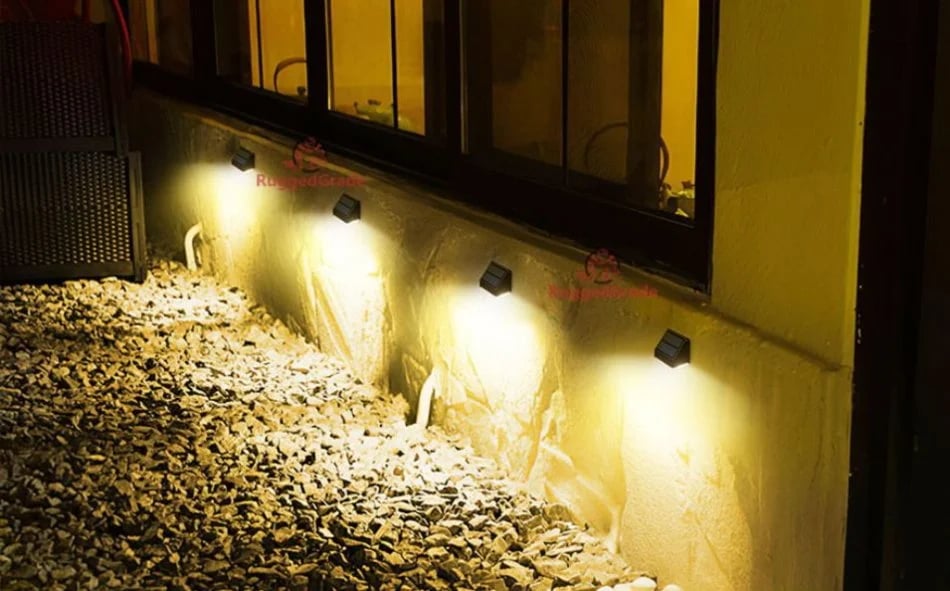
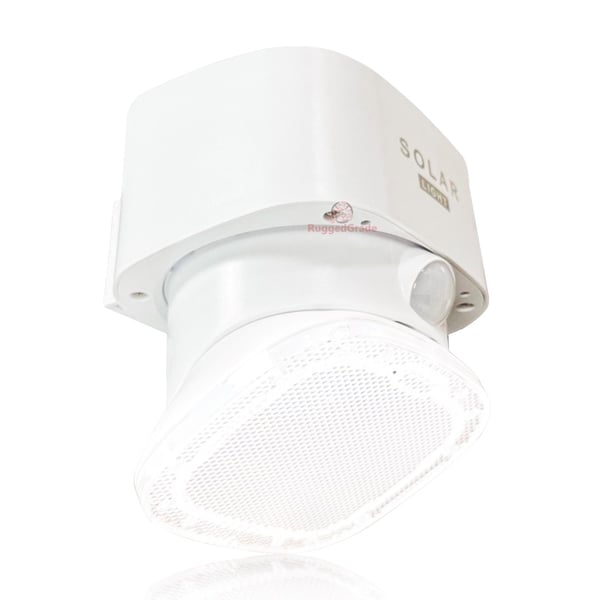
Solar wall lights add exterior lighting where running power is difficult or expensive. Compare panel placement, battery capacity, fixture output, mounting height, and dusk-to-dawn or motion control before choosing a model.
Solar wall lights are practical when the fixture can receive direct sun during the day and store enough battery capacity for the required nighttime runtime. LED solar wall lights utilize LED lighting and solar power to light up your outdoor space. They are entirely off-grid and rely on the photovoltaic process where the solar cell converts sunlight into usable electrical energy. During this process, sunlight creates electrical current inside the PV cells.
The electrons are then converted into electricity which goes through the wires connecting the solar panels to a battery where it is stored until it is needed.
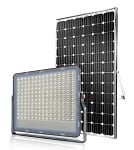
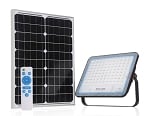
This system is composed of a solar panel, batteries and LED light fixtures. The panel is a flat surface made of silicon chips called PV (or photovoltaic) cells. The cells are stacked in layers on the panel, backed by a piece of metal. When sunlight hits the panel, the process described above is triggered. However, the solar panel does not connect directly to the LED lights.
It passes the electrical energy to the batteries for storage first. In the battery, it is converted and stored as chemical energy and then changed back to an electrical output when the lights are switched on. This solar lighting system also has a photoresistor. During daylight hours, the solar panel charges the battery but the photoresistor stops the lights from coming on. At night, the photoresistor detects little or no light. It activates the battery and the circuit is complete for the lights to come on. The battery supplies the necessary power throughout the night until the sun rises or the electrical charge runs out.
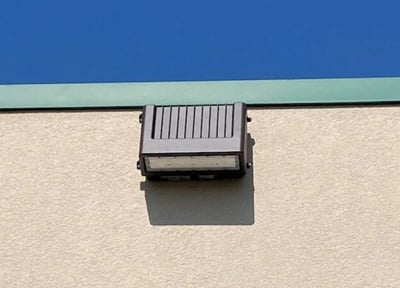
Poor solar-wall-light planning can shorten battery life, leave dark spots, or put light where it creates glare. Start with sun exposure, fixture output, battery reserve, mounting height, and the surface that actually needs light. A layout review can also compare foot-candle or lux targets when the project needs a more formal check before ordering.
Solar insolation, commonly known as sun hours, determines the amount of solar energy available in a given area. A location receiving 5 sun hours per day needs a smaller solar panel than one receiving only 3 sun hours. The panel wattage must produce enough energy during daylight to fully charge the battery for overnight operation. For most solar wall lights, panels range from 2W to 10W depending on the LED wattage and desired run time.


LED solar wall lights are a practical alternative to wired fixtures when the wall, panel location, and nightly runtime requirements fit the site.
Most LED solar wall lights provide 8 to 12 hours of illumination after a full day of charging in direct sunlight. Run time depends on the battery capacity (typically 2000 to 6000mAh lithium-ion), the LED wattage, and the brightness mode selected. Motion-sensor models last longer because they operate at reduced brightness until triggered.
Yes, but with reduced performance. Solar panels generate less power on short winter days and under heavy cloud cover, which can decrease run time by 30% to 50%. To compensate, choose fixtures with larger solar panels and higher-capacity batteries. Positioning the panel to maximize southern exposure and keeping it clear of snow or debris also helps maintain reliable operation through winter months.
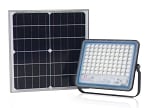
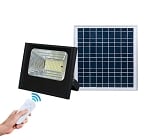
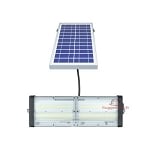
Integrated solar wall lights have the solar panel, battery, and LED all in one compact unit. They are easy to install but limited in placement since the fixture itself must receive direct sunlight. Split (or remote) solar wall lights separate the panel from the fixture via a cable, allowing you to mount the light in a shaded area like under an eave while placing the panel in full sun. Split designs offer more flexible installation options.
For outdoor use, look for a minimum IP65 rating, which means the fixture is fully sealed against dust and protected from low-pressure water jets from any direction. This is sufficient for most wall-mounted applications under eaves or overhangs. For fully exposed locations with no overhead protection, IP66 or IP67 provides additional protection against heavy rain, driving wind, and temporary submersion during storms.
Use the products above as a starting point, or contact LED Light Expert to confirm wattage, mounting, controls, and layout before ordering.
Shop NowCall Now: (800) 674-9420


Dara Greaney is the CEO and President of LEDLightExpert.com, a leading company in commercial lighting solutions. Since 2015, he has led the company to achieve remarkable growth and recognition, including being an Inc5000 winner three times: No. 3783 in 2022, No. 2428 in 2021, and No. 531 in 2020.
Editing by David Peguero.
On orders over $49.00
Up to 7 Years Free Warranty On LED Lights