LED Court Lighting

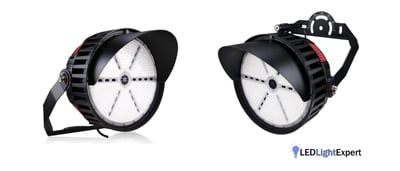
Plan LED court lighting by court size, level of play, pole height, beam angle, glare control, and spill light before choosing fixtures.


USA Based Experts in less than 60 seconds Call Now: 800-674-9420

On orders over $49.00

Up to 7 Years Free Warranty On LED Lights





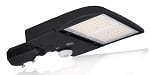
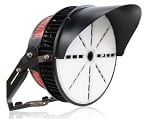

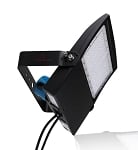
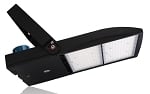
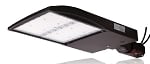
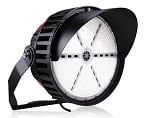
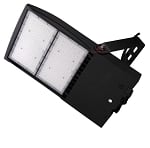
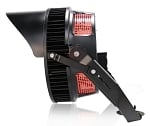



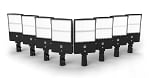

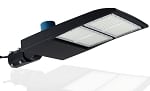


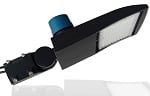

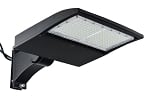
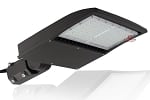
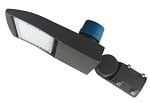

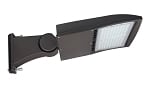
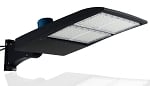
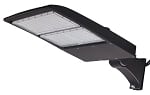
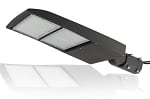
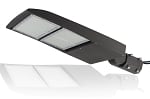
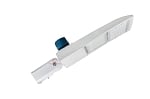
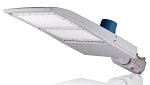
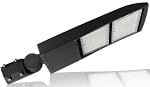
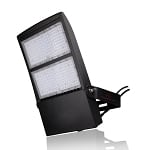
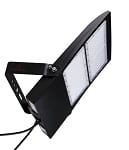


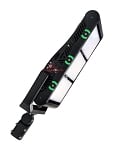
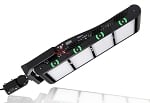

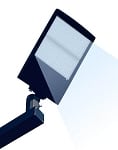


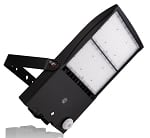
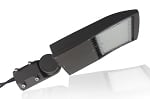
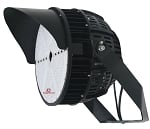
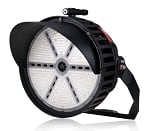

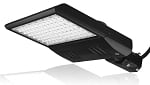
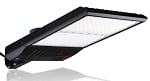

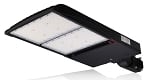


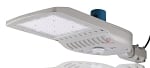
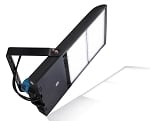

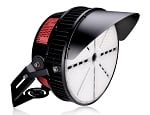
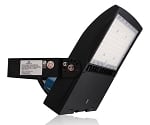
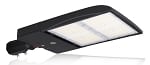
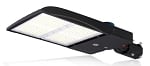
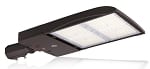
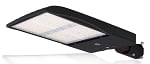
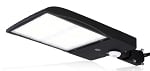
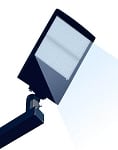
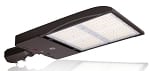

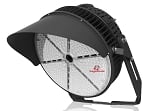
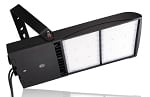
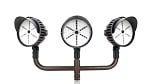
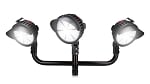
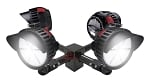
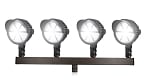
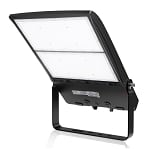
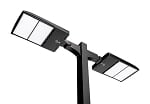
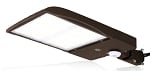
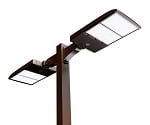
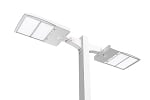
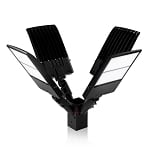
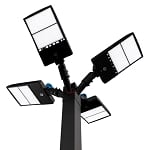

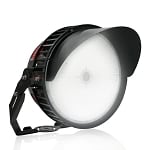
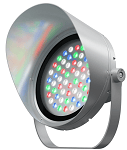
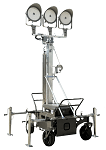

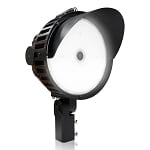


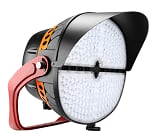
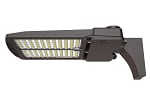
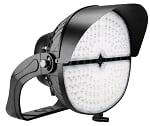
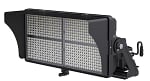
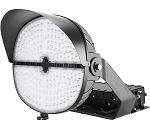
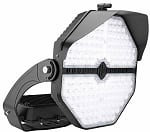

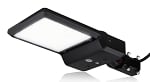
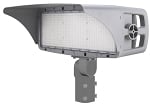
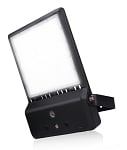

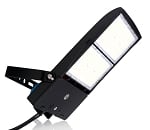

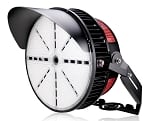

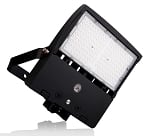

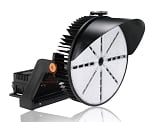


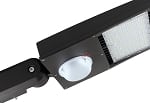


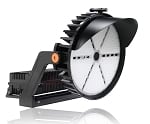
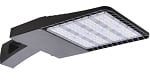
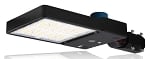
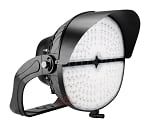


_thumbnail.jpg)
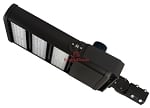
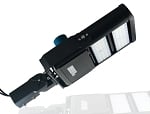


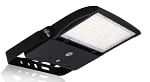

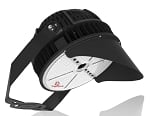


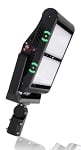
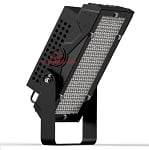
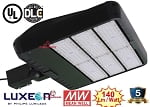
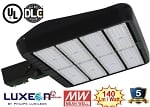
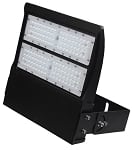







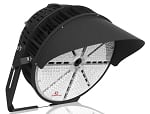
LED court lighting should be planned around the court size, level of play, pole height, beam angle, glare control, and spill light. Tennis courts, basketball courts, pickleball courts, and multi-use recreation areas all need even light across the playing surface, not just high lumen output from the fixture.
Outdoor sport court lighting has one job: make the ball, lines, players, and surrounding area easy to see without creating glare for players or neighbors. LEDs help because they turn on instantly, use controlled optics, and can deliver consistent light with lower operating cost than metal halide or high-pressure sodium systems.
The best layout starts with the court type. Tennis players need strong visibility from baseline to net and from sideline to sideline. Basketball courts need even coverage through the key, baselines, perimeter, and center court. Multi-use courts should be designed for the most demanding sport played on the surface, then controlled or dimmed for lower-level use.
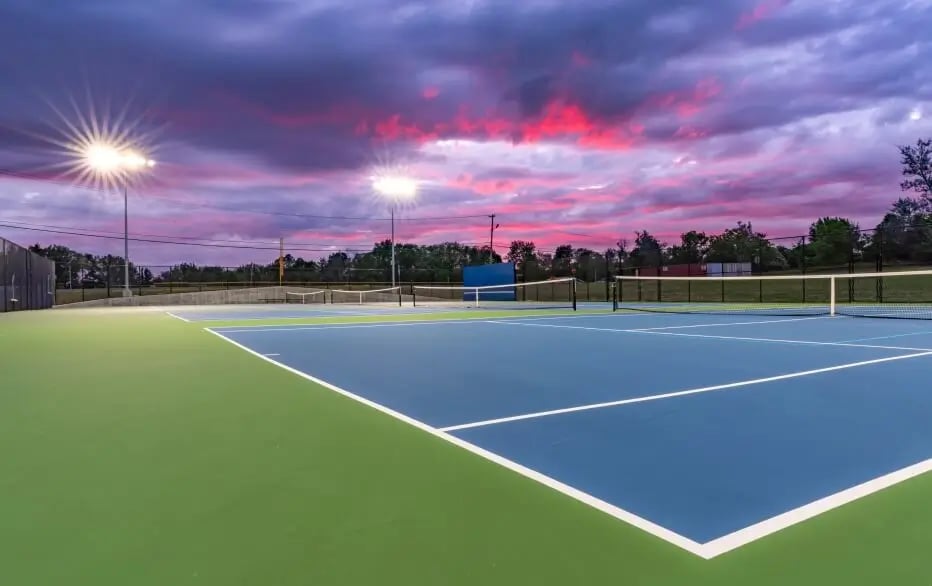
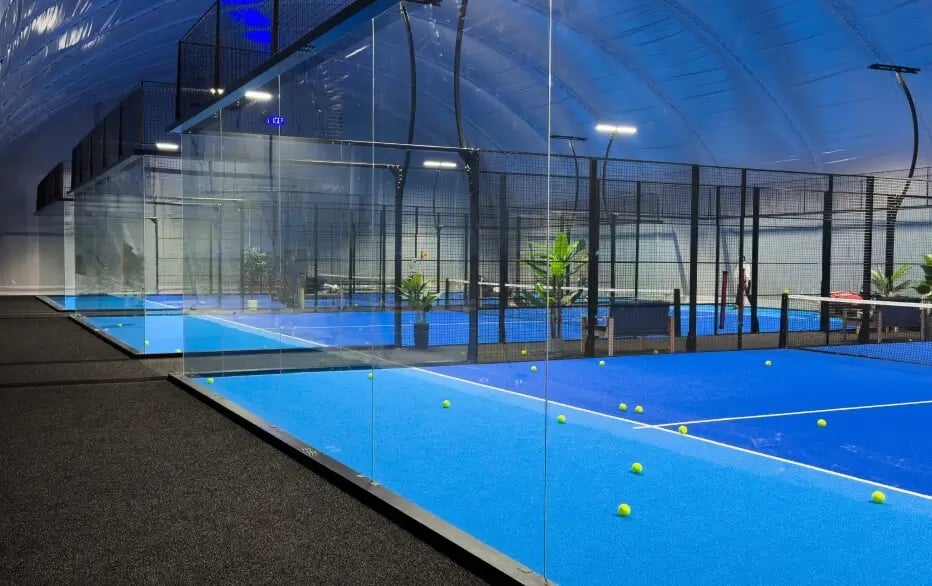
Recreational courts can use lower light levels than competitive or tournament courts. Tennis, basketball, and pickleball also place different demands on ball tracking, sideline visibility, and uniformity. Start with the intended use before selecting wattage.
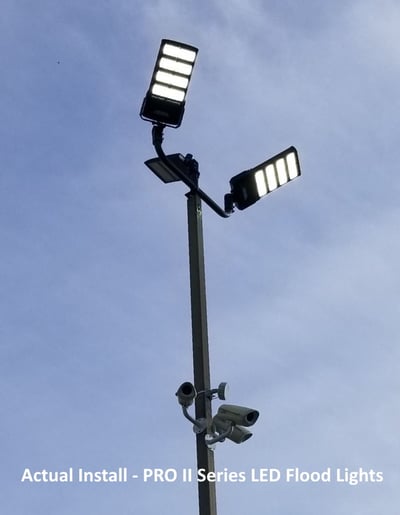
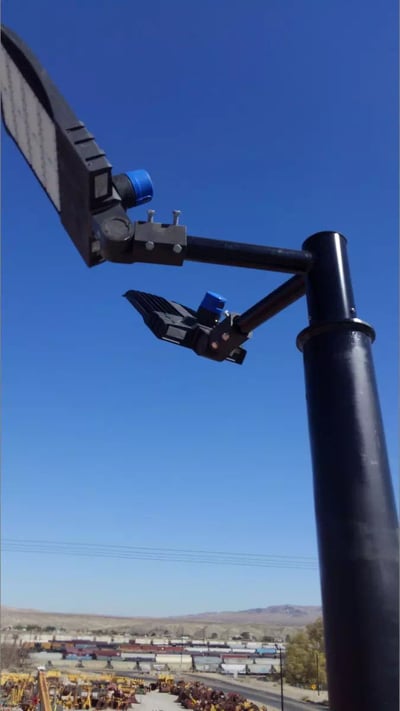
Most outdoor courts use 20 to 30 foot poles. Pole location controls glare and uniformity as much as fixture output does. Placing poles too close to the playing area can create bright spots and uncomfortable viewing angles, while poor spacing leaves dark corners.
Precision optics keep light on the court. Narrower or asymmetric beams can help when fixtures are mounted farther from the target area, and shields can reduce glare toward neighboring properties. A good plan checks both average light level and the amount of spill at the property line.
A photometric layout is the safest way to confirm fixture count, pole placement, aiming, light levels, uniformity, and glare before installation. It is especially important for schools, parks, homeowner associations, and private courts near residential property. The layout can also compare fixture options so the project does not buy more wattage than it needs.
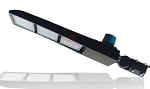
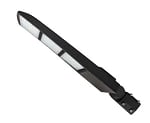
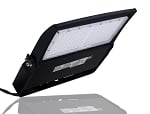
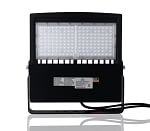
Use the products above as a starting point, then confirm the court dimensions, pole height, voltage, target foot-candles, and local lighting limits before ordering.
Recreational outdoor tennis courts are commonly planned around 50 foot-candles, while competitive and tournament courts may need 75 to 125 foot-candles. Uniformity matters as much as the average light level; a layout should avoid dark corners and bright hot spots so players can track the ball through fast rallies.
A full outdoor basketball court typically uses 4 to 8 pole-mounted LED fixtures depending on pole height, target foot-candles, fixture wattage, and beam angle. Recreational courts may work with fewer fixtures, while competitive courts need higher light levels and tighter uniformity from baseline to baseline.
Yes. Court fixtures with controlled optics, shields, and proper aiming can keep more light on the playing surface and reduce spill toward nearby homes. A photometric layout should check property-line light levels before installation, especially for residential neighborhoods or parks with local lighting rules.
Outdoor court lighting is often mounted on 20 to 30 foot poles. Lower poles can work for smaller recreational courts, but higher poles usually improve uniformity and reduce glare when paired with the right beam angle and fixture aiming.
They can use similar fixtures, but the layout is not identical. Tennis courts need strong sideline-to-sideline uniformity and ball-tracking visibility, while basketball courts focus on even coverage across baselines, key areas, and the center court. Multi-use courts should be designed around the highest required light level.
A photometric plan is recommended for most permanent outdoor courts. It confirms fixture count, pole placement, light levels, glare control, and spill before equipment is ordered, which is especially important when neighbors, school districts, park departments, or competitive play standards are involved.
Use the products above as a starting point, then confirm court dimensions, pole height, controls, and target light levels.
Contact LED Light Expert for help confirming the right fixtures before ordering.
Contact UsCall Now: (800) 674-9420


Dara Greaney is the CEO and President of LEDLightExpert.com, a leading company in commercial lighting solutions. Since 2015, he has led the company to achieve remarkable growth and recognition, including being an Inc5000 winner three times: No. 3783 in 2022, No. 2428 in 2021, and No. 531 in 2020.


Editing by David Peguero.

On orders over $49.00
Up to 7 Years Free Warranty On LED Lights