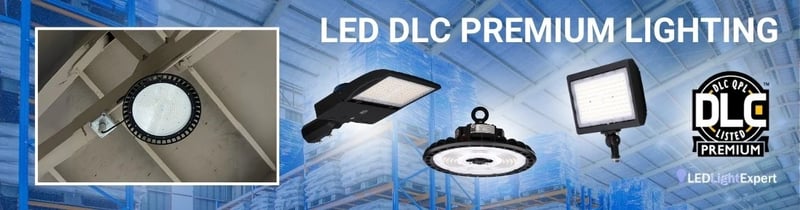
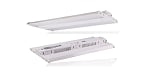
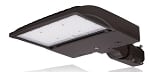
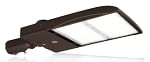
DLC Premium Listed LED Lights

USA Based Experts in less than 60 seconds Call Now: 800-674-9420
On orders over $49.00
Up to 7 Years Free Warranty On LED Lights

DLC Premium listed LED lights are independently qualified for higher efficacy and performance than standard listed fixtures. For commercial projects, that listing can affect energy use, rebate eligibility, fixture documentation, and long-term operating cost.
The DesignLights Consortium maintains a qualified products list for commercial lighting. DLC Premium is the higher tier for many fixture categories, with stricter efficacy and performance requirements than standard DLC listing. For buyers, the practical value is simple: the fixture has documented test data, appears on the qualified products list, and may qualify for stronger utility incentives.
DLC Premium does not replace project planning. A listed fixture still needs to match the space. Review lumen output, wattage, distribution, voltage, CCT, CRI, dimming, controls, and mounting before ordering. For exterior work, also review cutoff, BUG rating, photocell options, surge protection, and any dark-sky or local code requirements.
The listing is most useful on commercial projects with utility rebates, energy-code documentation, or ownership groups that require verified product data. Warehouses, parking lots, garages, schools, campuses, factories, and municipal projects often benefit from checking the QPL before fixtures are selected.


Start with the application, then compare the listing data. A high bay, wall pack, canopy light, shoebox, and parking garage fixture can all carry DLC Premium listing, but each category has different output, distribution, and installation needs. The correct fixture is the one that meets the light-level target with the fewest compromises in glare, controls, maintenance, and energy use.
DLC listing is useful because it gives buyers a public record to check before ordering. The exact model, wattage, CCT, distribution, driver, and control package should match the QPL entry and any utility rebate paperwork.
DLC programs focus on energy efficiency, lighting quality, verified product data, and commercial lighting adoption. The listing narrows the field, but it does not replace layout review, glare control, mounting-height checks, or product-specific documentation.
DLC Premium is useful, but it is not a complete lighting plan. A fixture still has to match the application, mounting height, voltage, optic, CCT, CRI, dimming method, and control requirements. For rebates, confirm the exact model number on the DLC Qualified Products List before purchase because a similar-looking fixture may not qualify.
For exterior projects, also review cutoff, BUG rating, surge protection, photocell options, and local lighting rules. For interior projects, compare efficacy with glare control and the target foot-candle level so the project does not trade comfort for a higher lumens-per-watt number.
DLC Premium qualification is based on tested product performance, not a generic marketing label. Buyers should look at maintained lumen output, efficacy by fixture category, driver and thermal documentation, dimming or control details, and the product warranty. Important details can include lumen maintenance, control documentation, efficacy requirements, thermal testing, driver information, and warranty terms. The current DLC QPL should be checked because program requirements change over time.
The practical reason to verify those details is project control. A fixture may be a good LED product and still miss a rebate requirement if the exact model number, wattage, color temperature, distribution, or control package does not match the utility paperwork. DLC Premium helps narrow the field to better-documented commercial fixtures, but final selection still depends on the layout, mounting height, glare control, voltage, and code requirements.
The DesignLights Consortium began as a regional commercial-lighting effort and later became one of the major references for LED qualified product lists. The program has evolved from early commercial-lighting guidance to solid-state lighting qualification, control requirements, and updated technical requirements for light quality and efficiency. That history matters because DLC status is tied to published criteria and product records, not just brand preference.
For buyers, the useful takeaway is that DLC Premium can support documentation, rebate review, and long-term fixture comparison. It does not mean every Premium-listed fixture is the best fit for every site. It means the product has data worth checking and comparing against the project’s light levels, distribution, color, controls, and maintenance goals.
The DesignLights Consortium was created to promote high-quality, energy-efficient commercial lighting, and its requirements continue to change as LED technology improves. A DLC Premium fixture must meet a higher performance tier than standard listed products in eligible categories, but buyers should still review the current QPL record, not just a logo on a specification sheet. The listing can include efficacy, color quality, lumen maintenance, controls capability, and other report details that help confirm the product is acceptable for the intended purpose.
There are many reasons to choose DLC Premium lights: potential rebate value, verified product data, lower operating cost, and better long-term confidence in the lighting system. It is still important to match the fixture to the setting. Review mounting, voltage, lumens, CCT, CRI, dimming, controls, warranty hours, and environmental rating. A listed fixture is not automatically the best solution if the optics, brightness, or control features do not fit the space.
DLC Premium is a higher-tier efficiency qualification for commercial LED lighting products. It matters because many utility rebate programs use DLC status when deciding whether a fixture qualifies and how large the incentive should be.
Most rebates require the exact fixture model number, DLC listing status, proof of purchase, and installation details. Some utilities offer higher incentives for DLC Premium products than for standard listed products, but rules and amounts vary by program.
DLC Premium generally requires higher efficacy and additional performance documentation than standard DLC listing. Both tiers rely on tested product data, but Premium is the stronger qualification for many commercial rebate programs.
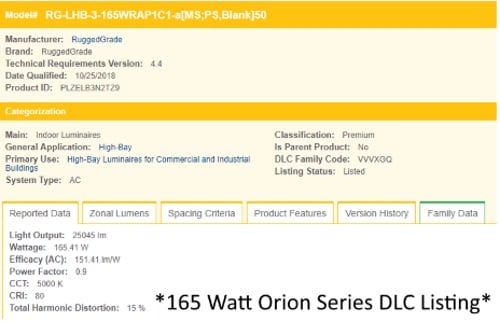
Search the DLC Qualified Products List at designlights.org using the manufacturer name or model number. The listing should match the exact product being purchased, including wattage, CCT, and configuration where applicable.
DLC Premium is a tier above DLC Standard, and the difference is specific rather than promotional. To qualify for the Premium listing a product must maintain 90% of its initial lumen output for 36,000 hours, expressed as L90 greater than 36,000 hours. It must have integral controls, such as photo sensors, clearly specified on the product specification sheet, and the DLC verifies this against manufacturer materials. It must achieve higher lumen-per-watt thresholds than Standard, with the exact figure depending on product type. It must carry a warranty of at least five years. And the manufacturer must provide driver ISTMT documentation, including lab test reports, thermal testing, and maximum acceptable temperature data.
That last requirement is the one buyers overlook and the one that matters most. In-situ temperature measurement testing is what separates a fixture that will hold its output from one that will not, because driver temperature is the dominant factor in real-world LED life.
The practical contrast is with the HID fixtures being replaced. Some metal halide and high-pressure sodium lamps lose around 70% of their lumen output within the first 10,000 hours of use. A DLC Premium fixture holding 90% at 36,000 hours is operating in a different regime entirely, and for a commercial buyer that difference shows up as consistent light levels rather than a slow slide into an underlit site.
The commercial reason to care is rebates. Many utility programs pay a per-fixture rebate only on DLC-listed product, and Premium frequently pays more than Standard. On a large fixture count that differential can change the effective project cost significantly, so it is worth checking your utility program before choosing a tier.
DLC Premium fixtures carry a modest premium over Standard-listed equivalents, and where a utility rebate distinguishes between the tiers that premium is frequently recovered outright. The order of operations that saves money is: check the utility program first, confirm which tier it pays on, then specify.
What comes with every order:
If you are pursuing a rebate, tell us at the quote stage. Rebate paperwork generally requires the DLC product ID and the specification sheet, and it is far easier to supply those with the order than to reconstruct them afterwards.
Request PricingUse the products above as a starting point, or contact LED Light Expert to confirm wattage, listing status, controls, rebates, and layout before ordering.
Contact LED Light ExpertBefore submitting a rebate application, confirm the exact catalog number on the utility form. Small changes in wattage, CCT, driver, sensor package, or distribution can create a different listing. Keep the specification sheet, invoice, and QPL record together so the rebate reviewer can match the installed fixture to the approved product.
For large jobs, it is worth checking the QPL before the order is finalized. That review can prevent a substitution from losing rebate eligibility and can also confirm whether controls, dimming, or networked lighting requirements apply to the incentive. Keep the approved product list with the project file so purchasing, installation, and rebate paperwork stay aligned. This also helps future maintenance teams replace fixtures without losing documentation.
On orders over $49.00
Up to 7 Years Free Warranty On LED Lights