LED Hazardous Location Lighting

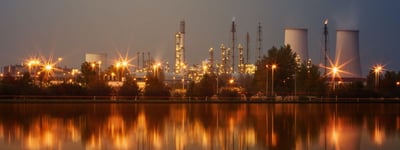
Shop LED hazardous location lighting for classified industrial sites. Compare Class/Division ratings, certifications, mounting, and operating temperature.


USA Based Experts in less than 60 seconds Call Now: 800-674-9420

On orders over $49.00

Up to 7 Years Free Warranty On LED Lights
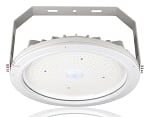
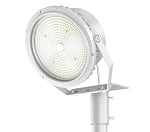
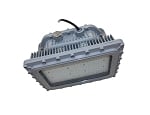
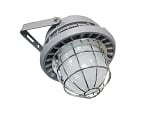

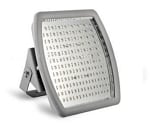
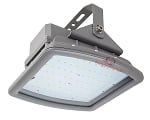

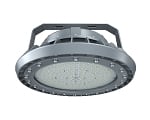
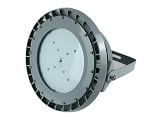








Shop LED hazardous location lighting for classified industrial sites. Compare Class/Division ratings, certifications, mounting, and operating temperature.
Hazardous location classifications define the types and concentrations of flammable materials present, determining fixture certification requirements. Class I encompasses facilities with flammable gases, vapors, or liquids. Class II encompasses locations with flammable dust. Division 1 indicates materials normally present during regular operation. Division 2 indicates occasional or abnormal presence. For example, Class I Division 2 fixtures suit petroleum refineries where explosive atmospheres might develop during maintenance or upset conditions. Class II Division 1 fixtures serve grain elevators and dust collection facilities where explosive dust is continually present. Explosion-proof designs prevent internal ignition sources from igniting external hazardous atmospheres. Vapor-tight alternatives serve different environmental challenges.
Hazardous-location LED fixtures incorporate sophisticated thermal management helping keep surface temperatures below the applicable ignition thresholds of surrounding flammable materials. Aluminum heat sinks dissipate LED-generated heat away from sealed optical chambers. Low-wattage LED designs reduce thermal output compared to metal halide predecessors.
Thermostats and thermal cutoff devices prevent fixture operation if internal temperatures exceed safe limits. Some advanced designs use forced-air cooling systems for high-temperature environments. Surface temperature ratings typically range from 80°C to 135°C depending on hazard class. High-bay LED solutions without hazardous-location certification serve non-hazardous industrial environments. Comprehensive commercial systems incorporate hazardous-location fixtures as specialized components. Linear alternatives serve complementary applications.
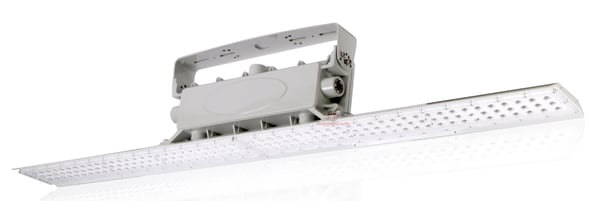

LED hazardous-location fixtures support extreme industrial environments with reliable illumination and required safety certifications. Petroleum refineries benefit from reduced maintenance requirements in classified areas where access demands extensive safety protocols. Pharmaceutical manufacturers ensure regulatory compliance while improving worker safety through dependable lighting in explosive-atmosphere manufacturing zones. Grain elevators and agricultural processing facilities achieve energy savings alongside regulatory alignment. Chemical plants reduce frequency of fixture access in hazardous areas, limiting personnel exposure to dangerous conditions. Comprehensive guides on hazardous classifications provide detailed specification information. Integration with safety planning ensures complete compliance and operational reliability.
Hazardous location lights are fixtures designed to provide adequate and safe illumination in indoor or outdoor locations where flammable gases, vapors, dusts, or fibers may be present. These fixtures are built to withstand classified industrial conditions such as flammable gases, vapors, combustible dusts, corrosion, moisture, vibration, and impact. They are suitable for applications such as oil rigs, loading docks, refineries, chemical plants, paint spray booths, and similar facilities. These lights offer high lumen output and high color rendering index (CRI), supporting visibility and color identification in hazardous locations. Some hazardous-location fixtures are rated for marine or specific agency requirements, but the exact listing must be verified on the product documentation.
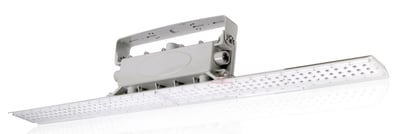
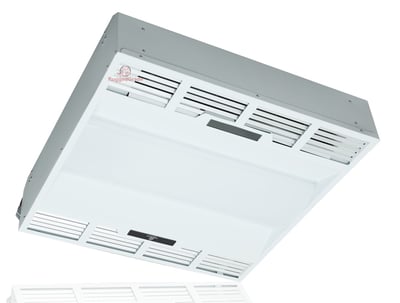
The housings for these fixtures are specially designed to prevent the ingress of vapor and dust into the light fixture. Common housing types include flood lights, area lighting, high bay lights, surface mount lights, and linear lights. Because these fixtures use LED technology, many products carry long rated lives. This can reduce maintenance access compared with lamp-and-ballast systems when the fixture is correctly specified. Less maintenance is critical for these fixtures because they are often installed in areas where access is difficult or dangerous. LED lights also consume less energy and generate less heat than traditional light sources, lowering operating costs and fire risk.
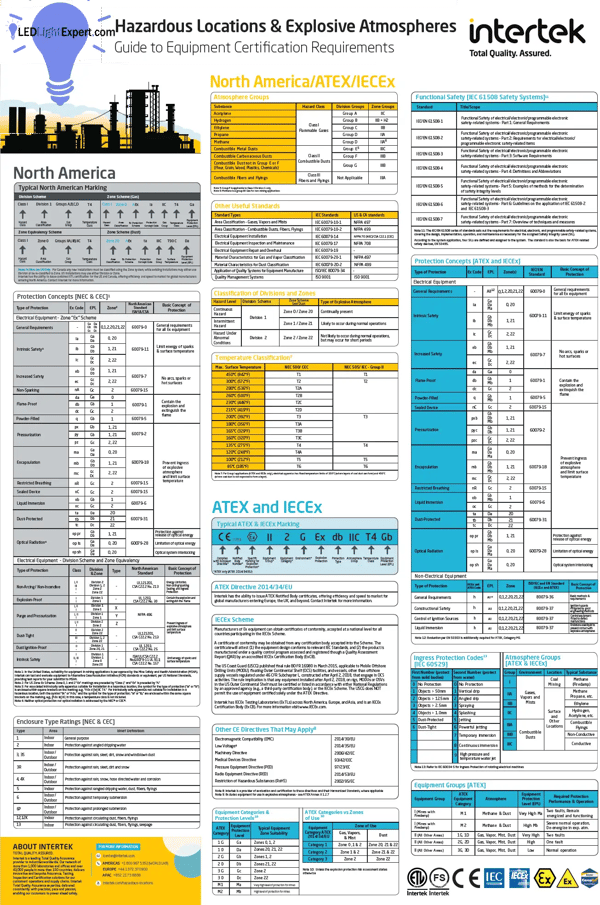
According to the NEC, hazardous locations are classified into three classes, two divisions, and several groups based on the type and frequency of the flammable materials present in the atmosphere:
Class I: Locations where flammable gases or vapors may be present in sufficient quantities to produce explosive or ignitable mixtures. Examples include petroleum refineries, gas stations, dry cleaning plants, utility gas plants or storage areas for liquefied petroleum or natural gas, and spray finishing areas.
Class II: Locations where combustible dusts may be present in sufficient quantities to produce explosive or ignitable mixtures. Combustible dusts create multiple hazards. air contact can create an explosion, and dust settling on electrical equipment builds up over time, leading to excessive heat issues, premature failures, and fire risk. Examples include grain elevators, food processing plants, and coal mines.
Class III: Locations where easily ignitable fibers or filings may be present in sufficient quantities to produce explosive or ignitable mixtures. Examples include textile mills, woodworking plants, and paper mills.
Division 1: Locations where the hazardous atmosphere is present continuously, intermittently, or periodically under normal operating conditions. Examples include inside storage tanks or pipelines that contain flammable liquids or gases.
Division 2: Locations where the hazardous atmosphere is present only abnormally or accidentally due to a spill or a failure of a ventilation system. Examples include areas adjacent to Division 1 locations or storage areas for sealed containers of flammable liquids or gases.
Hazardous atmospheres are further categorized into groups: Group A (acetylene gas), Group B (hydrogen or similar gases), Group C (ethylene or similar gases), Group D (propane or similar gases), Group E (metal dusts such as aluminum or magnesium), Group F (carbonaceous dusts such as coal or coke), and Group G (agricultural dusts such as grain or flour).
Hazardous location lights must be suitable for the class, division, and group of the location where they are installed. They must also have a temperature rating (T-code) that indicates the maximum surface temperature of the fixture under normal operation. The temperature rating must be lower than the ignition temperature of the surrounding hazardous atmosphere to reduce ignition risk. These standards are set by organizations such as Underwriters Laboratories (UL), OSHA, and the National Fire Protection Association (NFPA), with key standards including UL 844 for electric lighting fixtures in hazardous locations and NFPA 70 (National Electric Code).
The importance of explosion-proof lighting is best understood by examining what happens with traditional light fixtures in hazardous work areas. Metal halide lights have bulbs with a pressurized internal atmosphere. If the bulb glass breaks, an electric spark can hit the open air and ignite flammable substances in the surrounding atmosphere. A spark in the electrical connection or excess thermal buildup in the fixture over time can lead to serious environmental hazards for workers.
Explosion-proof devices and enclosures are designed to withstand a gas or vapor explosion from within and prevent ignition of the surrounding atmosphere by eliminating sparks, flame, hot gases, or flashes created inside the fixture. These fixtures are not sealed but are designed with special leak paths that allow for the safe exit of expanding gases from an internal explosion. This controlled leaking is critical because if these paths were sealed, the fixture could rupture and ignite the surrounding atmosphere.
LED explosion-proof lights offer significant advantages over traditional metal halide alternatives. They maintain their original lumens, according to product-specific lumen-maintenance ratings and are substantially more energy efficient. LED fixtures still produce heat, but they often reduce fixture wattage and surface temperature compared with older HID systems when the fixture is correctly rated for the environment.
Selecting the right light for a hazardous location requires consideration of several factors. Manufacturers offer a range of fixtures to cater to different hazardous location requirements. Since these lights are built differently to follow different classifications, businesses using the wrong types of lights may increase the risk of accidents in their facilities.
LED manufacturers also make different explosion-proof products for confined spaces. String lights serve activities requiring portable and temporary lighting. these fixtures typically have long cords and plugs that are explosion proof as well, with hooks that allow them to be latched on scaffolds, bars, and other structures. Explosion-proof manhole lights are well suited for railcars, storage tanks, and other areas with limited entry points. Additionally, explosion-proof handheld flashlights offer wireless, portable lighting for confined spaces where standard explosion-proof lights cannot be used.
Beyond safety, LED hazardous location lighting supports work quality in hazardous environments. Higher-quality illumination allows workers to see finer details of their work, and Better visibility can help workers see labels, edges, tools, and hazards more clearly. These fixtures come in a variety of styles and beam spreads to ensure consistent, uniform lighting across the entire workspace. Better productivity also leads to greater savings, adding to the energy savings created by using LED replacements for 400-watt metal halide fixtures. As always, we recommend working with a lighting expert when designing your project. hazardous location lighting serves particularly volatile areas where any misstep could be especially dangerous.
Class I Div 2 fixtures are certified for locations where flammable gases, vapors, or liquids might exist under abnormal conditions (equipment malfunction, upset operation). They are designed to prevent internal ignition sources from igniting external hazardous atmospheres. Typical applications include petroleum refineries, chemical processing plants, and fuel storage facilities.
Explosion-proof fixtures contain any internal ignition (electrical arcs, hot surfaces) within a durable enclosure designed to withstand internal explosions while preventing flame propagation to external hazardous atmospheres. Heavy cast housings, flame paths, thermal control, gaskets, and certified component design help prevent an internal ignition source from igniting the surrounding atmosphere.
No, hazardous locations require fixtures specifically certified by FM, UL, or ATEX for the specific hazard class and division. Standard LED fixtures lack required thermal management, ignition prevention, and certification documentation required for compliance. Using non-certified fixtures creates serious safety and regulatory violations.
Verify FM (Factory Mutual), UL (Underwriters Laboratories), or ATEX (European) certification matching your specific NEC class and division requirements. Certifications should be documented on fixture nameplates and in technical specifications. Contact manufacturers directly to verify certification status and obtain certification documentation for regulatory compliance records.
Use the products above as a starting point, or contact LED Light Expert to confirm fixture type, wattage, controls, and layout before ordering.
Get Your Free QuoteCall Now: (800) 674-9420


Dara Greaney is the CEO and President of LEDLightExpert.com, a leading company in commercial lighting solutions. Since 2015, he has led the company to achieve remarkable growth and recognition, including being an Inc5000 winner three times: No. 3783 in 2022, No. 2428 in 2021, and No. 531 in 2020.


Editing by David Peguero.

On orders over $49.00
Up to 7 Years Free Warranty On LED Lights