


Quick Answer
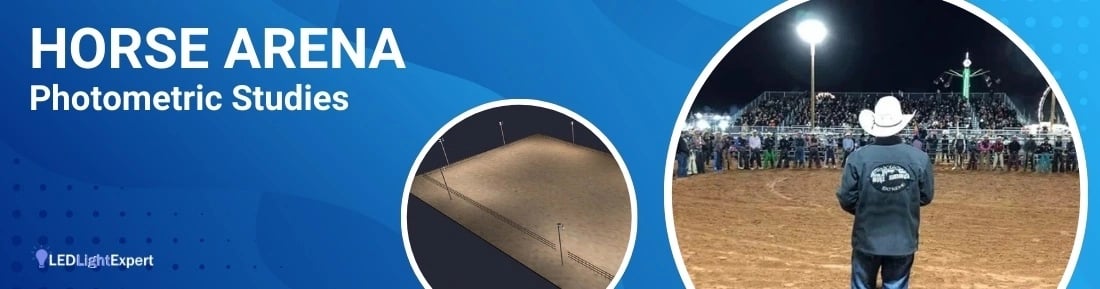
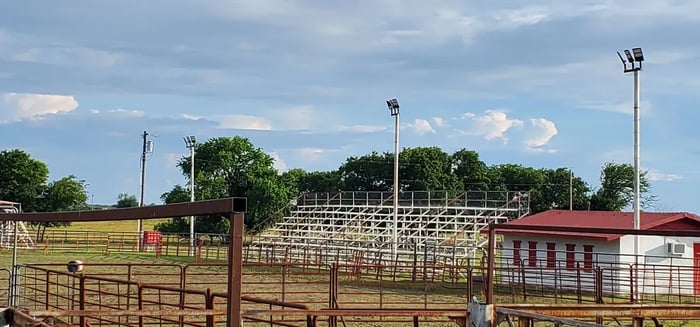
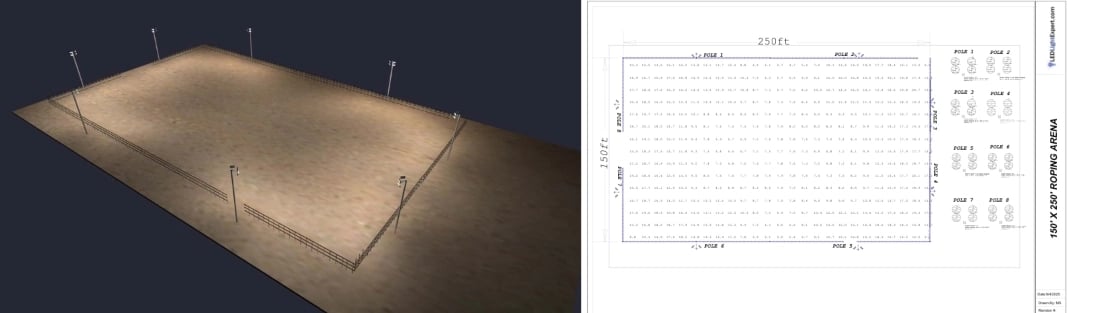
Horse arena photometric studies show expected light levels, fixture aiming, and uniformity before installation. The real examples help compare pole count, mounting height, and fixture wattage.
Horse Arena Photometric Light Study Examples
Professional LED Lighting Solutions for Horse Arenas - Explore Your Options
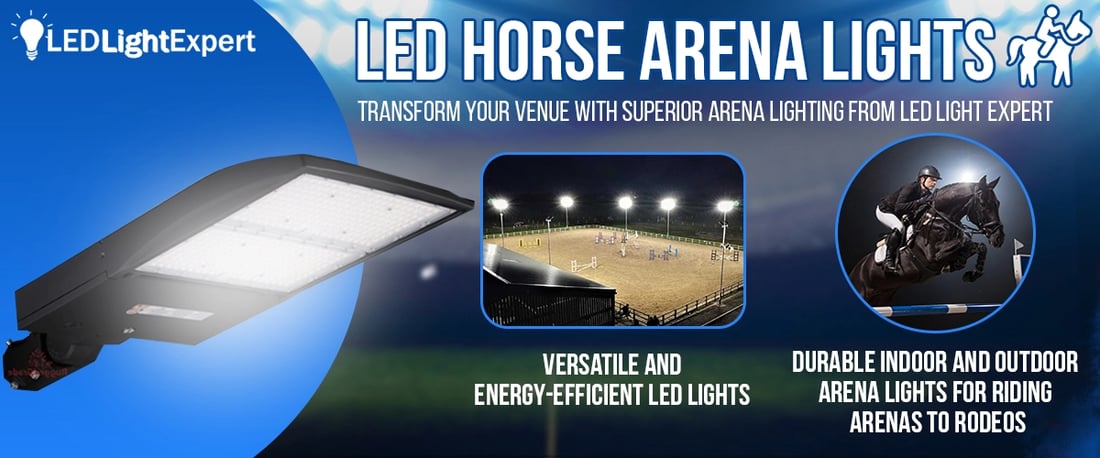
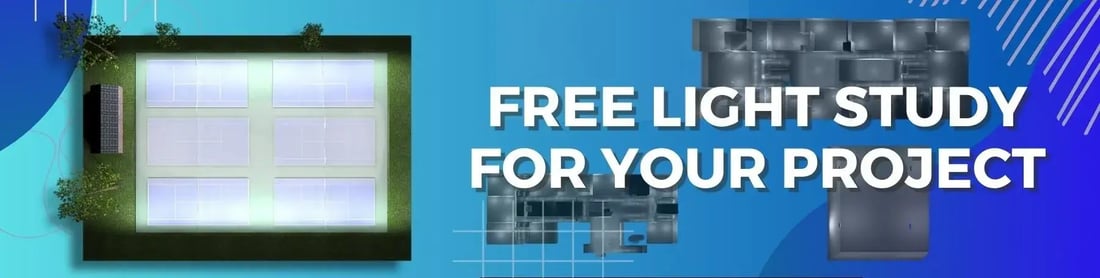
Key Takeaway: Arena lighting should avoid harsh shadows and glare that can distract riders or horses. Uniformity and aiming are often more important than simply choosing the brightest fixture.
How to Use These Study Examples
Use these real examples as planning references, not one-size-fits-all prescriptions. Site dimensions, pole setbacks, mounting height, beam angle, voltage, local code, and target light levels can all change the fixture count and aiming plan.
When comparing studies, look at the field or area size, pole height, fixture count, wattage, average footcandles, and whether the layout controls spill light outside the target area.
For horse arenas, pay close attention to uniformity, glare, and shadows around the rail, corners, gates, roping boxes, and working areas. Horses can react poorly to harsh contrast or glare, so a good layout should make the arena feel even and predictable, not simply brighter.
Before requesting a layout, gather arena dimensions, pole locations or setback limits, mounting height, footing constraints, voltage, photos from each corner, and whether the arena is used for riding, roping, training, or events. Those details help determine beam angles and fixture count.
Also decide whether the arena needs practice-level light, event-level light, or brighter coverage for filming and spectators. That decision changes the target footcandles and uniformity expectations before the layout is built. The roping-arena studies above, at 12 to 20 footcandles, sit on the lower side; high-end and performance arenas are designed for 30 to 50 footcandles.
If existing poles are being reused, verify their condition and EPA rating before selecting fixtures, because fixture weight and wind load matter as much as light output.
Photometric Study FAQs
It shows expected light levels, fixture locations, aiming, mounting heights, beam patterns, and uniformity before installation. The goal is to confirm the lighting plan before poles and fixtures are ordered; for new projects, request a free photometric lighting study with site dimensions and mounting details.
Average footcandles can look good even when some areas are too bright and others are too dark. Review uniformity, glare, pole placement, and spill light along with the average.
Send dimensions, mounting heights, pole locations, voltage, photos, target light levels, and any code, neighbor, camera, or spill-light requirements. More site detail makes the layout more useful.
Related Articles
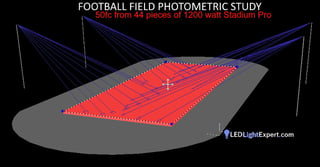 Photometric Study GuideLearn what a photometric study is and how to use it before buying lights.
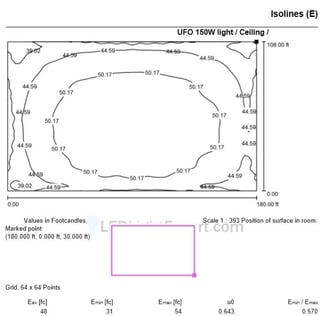 How to Read a Photometric StudyUnderstand footcandle grids, uniformity ratios, isolines, and fixture schedules.
 Request a Free Light StudySend dimensions, pole locations, and target light levels for layout help.
About the Author


Need a Photometric Light Study?
Send the area dimensions, pole locations, mounting height, target footcandles, voltage, and any glare or spill-light concerns. Our lighting team can help compare layouts before fixtures are ordered.
REQUEST A FREE LIGHT STUDY


