


LED Street Lights Guide
LED street lights are efficient light-emitting diode fixtures used to replace traditional HID and sodium vapor lamps in urban and commercial lighting applications. They can reduce energy use and maintenance when the wattage, optics, pole spacing, driver quality, LED chip type, color temperature (4000K-5700K), CRI, controls, and solar options are matched to the roadway or site.
Understanding LED Street Lights
Street lighting has come a long way, and if you've noticed your neighborhood glowing a little differently at night, you're likely seeing the work of LED street lights. Composed of efficient light-emitting diodes (LEDs), these modern street lights really hit the mark when it comes to lighting up roads, sidewalks, and parking areas.
So, why are communities making the switch? For starters, LED streetlights tend to last far longer. They do not use mercury vapor lamps, can reduce wattage compared with many HID systems, and can reduce maintenance where changing out lamps is inconvenient and expensive.
Let's walk you through everything you need to know about LED street lights and why they are commonly considered for roadway, parking, and municipal lighting. Along with helping people see better at night, the right LED street light can support lower energy use and more maintainable outdoor lighting.
Key Takeaway: Energy Efficiency & Longevity
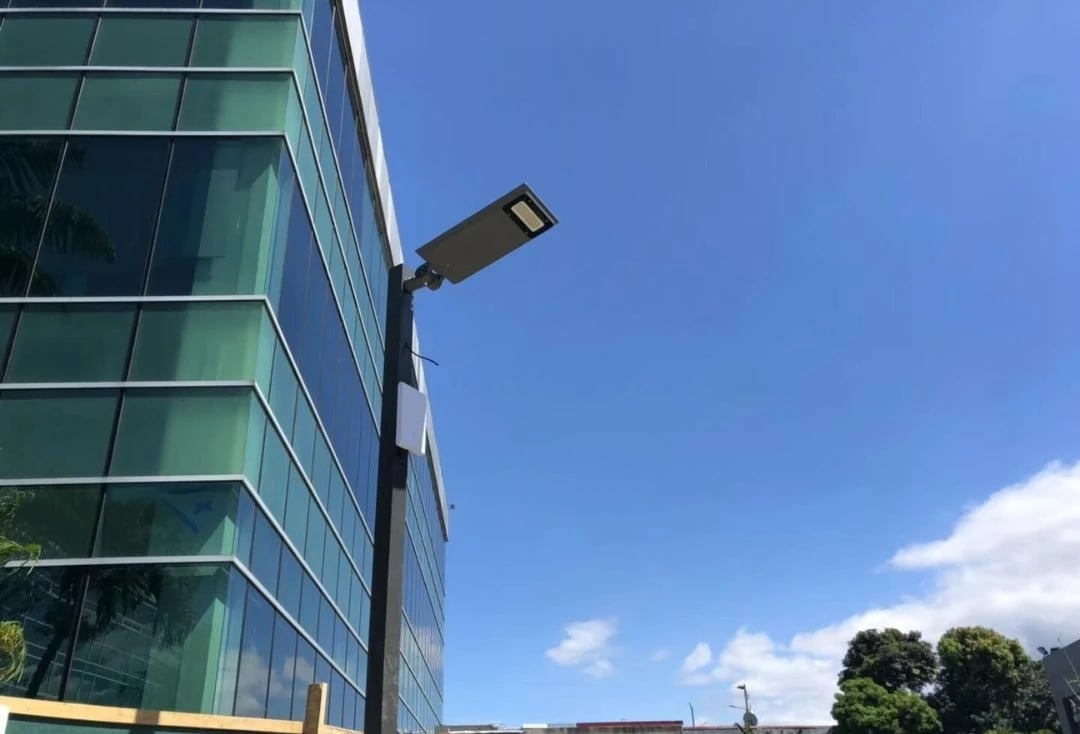
LED street lights can deliver operational advantages compared with HPS/HID lamps: lower energy use, longer rated life, no mercury lamp to dispose of, and reduced maintenance labor. Actual savings and service life depend on wattage, hours of use, driver quality, surge protection, heat management, controls, and site conditions.
Advantages of LED Street Lights Over Traditional Lighting
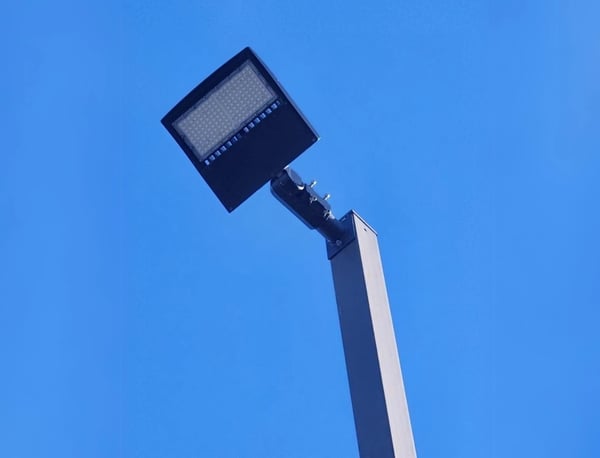
LED street lights are gaining attention for good reason. One of their primary advantages lies in their remarkable lifespan and robustness. Unlike traditional lighting, which can fail early from lamp and ballast problems, LEDs are designed to last, offering consistent performance over years of use. This longevity translates to reduced maintenance efforts and costs, which is an important consideration for large-scale installations.
Furthermore, LED street lights can provide strong color rendering, improving visibility and safety. They more closely mimic natural daylight, which helps pedestrians and drivers identify objects and navigate their surroundings with greater ease.
Environmental benefits are another central selling point. LED fixtures do not use mercury vapor lamps, which simplifies lamp-disposal concerns compared with older HID sources, though fixtures and drivers should still be recycled or disposed of according to local rules. They also use less energy than many traditional lights when the replacement wattage is chosen correctly. This reduction can support sustainability goals and lower energy bills.
When you add it all up, the switch to LED isn't just a trend — it's a smart move toward more efficient, effective, and environmentally responsible lighting solutions.
Types of Energy-Efficient Street Lights
There are a few types of energy-efficient street lights, each suited to different applications and settings. Understanding these variations helps in selecting the right light for each unique environment.
Commercial Street Lighting
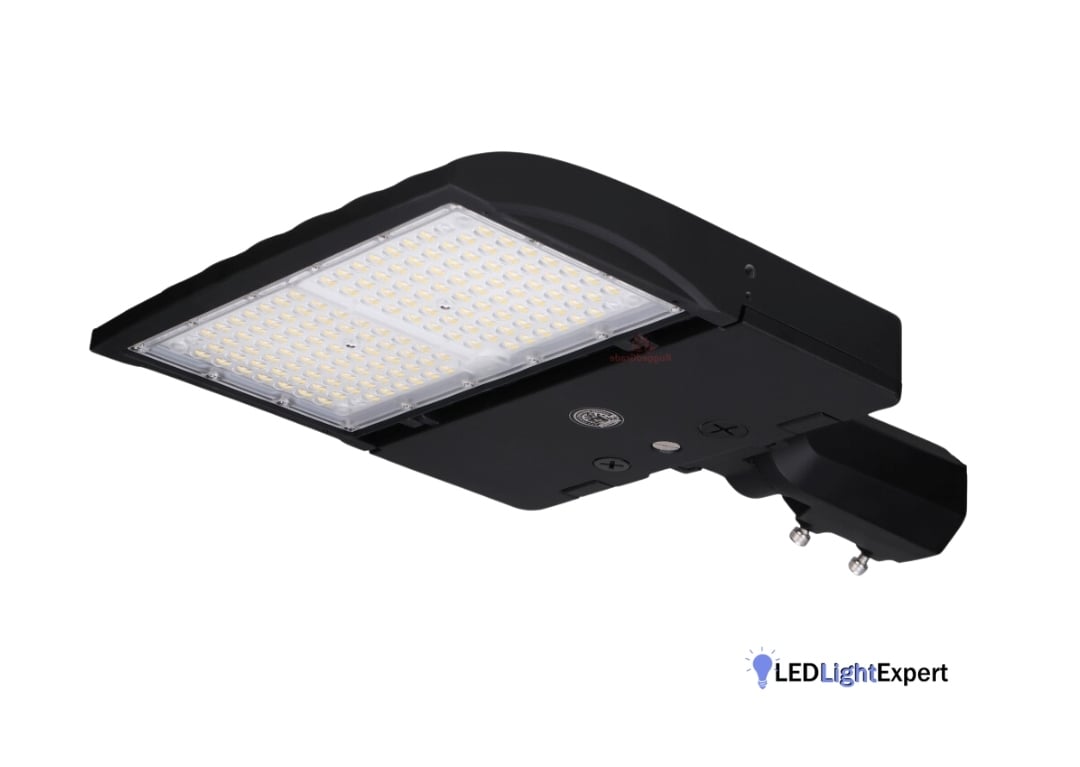
The most familiar category, standard street lights, are mounted on tall poles along roadsides or in medians. They help support visibility for both motorists and pedestrians by providing consistent illumination at intersections and crossing points.
Key Takeaway: Right Light for Right Application
Different street lighting applications require different fixture types. Standard street lights on poles work for roadsides; high mast lights (40-150 feet) cover large areas like stadiums and parking lots; flood lights provide versatile coverage. Match your fixture type to your coverage area, mounting height, and application requirements.
High Mast Lights and Versatile Coverage
For larger areas that need expansive light coverage – think stadiums, ports, and large parking lots – high mast lights are a common choice. These fixtures are installed at heights between 40 and 150 feet and hold multiple light sources. This makes them practical for areas that need broad, consistent brightness.
General Flood Lights
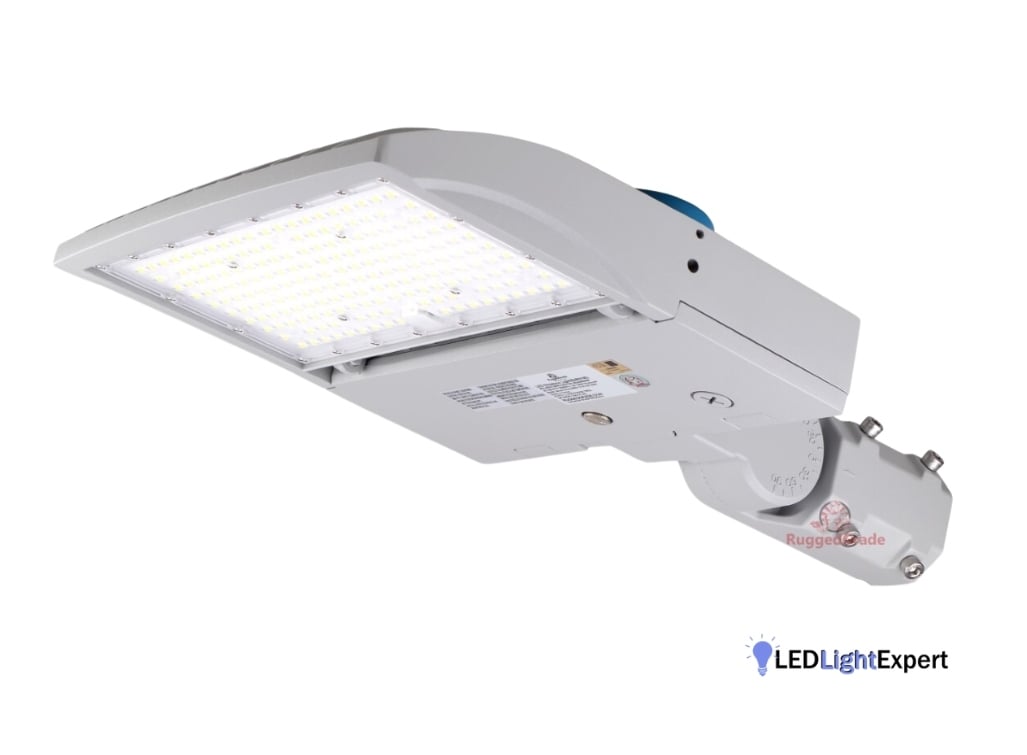
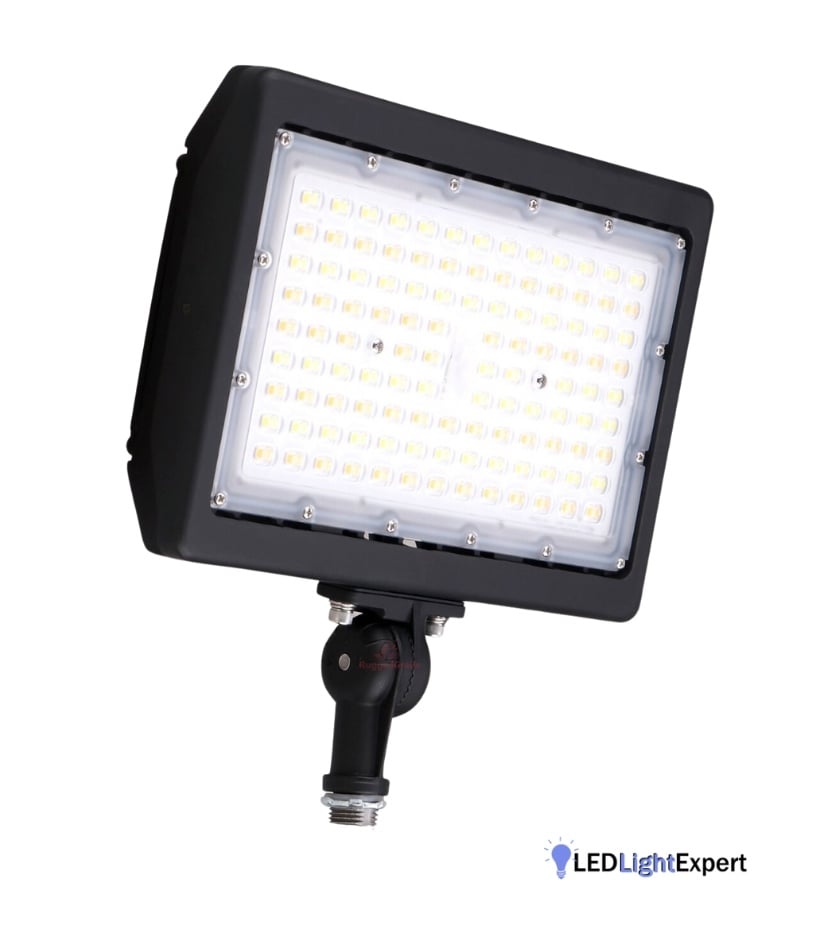
If versatility is your priority, consider general flood lights. These high-powered, versatile luminaires provide plenty of light for outdoor spaces. Thanks to LED technology, they reduce electricity use yet deliver potent illumination, which makes them a popular choice for large-scale applications.
Replacing HID Lamps With LED Lighting
High-intensity discharge (HID) lamps have been the staple of street and large-area lighting for many years. Thanks to modern technology, LEDs have taken over the lead. The benefits of LEDs over HIDs are clear, making the transition an attractive option for municipalities and facility managers.
One of the biggest advantages of LED lighting is its energy efficiency. LEDs can reduce energy use compared with HID lamps when the replacement wattage and optics are selected correctly. It's a compelling consideration for budgeting in the public and private sectors.
LEDs also require less maintenance. Unlike HID lamps, which run an arc through gas and need regular relamping, LEDs are solid-state, which gives more stable, long-lasting performance. Their robust construction results in a longer lifespan, reducing waste and environmental impact.
Another reason to switch is the strong color rendering of LEDs. With a high color rendering index (CRI), LED lights produce more natural light, helping drivers and pedestrians identify objects more easily at night. This enhances safety and improves the overall aesthetic and functionality of urban spaces.
Key Takeaway: HID to LED Conversion
Upgrading from HID or sodium vapor lamps to LED can reduce energy use, reduce maintenance frequency, simplify mercury-lamp disposal concerns, improve color rendering, and improve nighttime visibility when optics and pole spacing are planned correctly. ROI depends on fixture cost, labor, runtime, electric rates, controls, and utility incentives.
Choosing the Right Wattage and Specifications
When selecting LED street lights, you need to consider the following to ensure optimal performance and efficiency that suits your needs:
Wattage
LED streetlights use a lower wattage. For example, you can replace a 100W high-pressure sodium lamp with a 36W LED lamp. It is important to match the wattage appropriately to the height of the pole and coverage area. Generally, lower wattages, like 10W, are suitable for shorter poles, while higher wattages, such as 100W or 120W, are needed for taller installations above 10 meters.
LED Driver
The LED driver converts AC to DC, powering the lights consistently over their lifespan. A quality LED driver helps the fixture reach its rated life; actual service life depends on heat, surge protection, operating hours, controls, and environment. Consider the functions you need, such as output lumen compensation or timing dimming, to maximize efficiency and flexibility.
LED Chips
The quality of LED chips affects the light's stability and brightness. Popular chip models like the 3030 and 5050 offer high cost-performance and energy management capabilities, respectively. Choosing the right LED chip impacts both initial performance and long-term reliability of the light.
Lens/Optics and Color Temperature
Optics ensure uniform light distribution. Customizing these optics addresses specific roadways or architectural needs. Additionally, correlated color temperature (CCT) impacts the hue of the light emitted — be it cool, neutral, or warm. Matching the CCT with the intended use case can enhance the visual experience and safety.
Color Rendering Index (CRI)
CRI reflects how accurately a light source displays colors compared to natural light. Although 100 is the top of the CRI scale, a CRI of around 70 is generally sufficient for street lighting, offering improved visibility without excessive energy consumption.
Key Takeaway: Critical Specifications for Performance
Proper wattage selection (36W-120W depending on pole height), quality LED drivers (10-20+ year lifespan), premium LED chips (3030/5050 models), optimized optics for uniform distribution, and appropriate Color Rendering Index (CRI 70+) are critical specifications that ensure long-term performance, energy efficiency, and excellent visibility in urban and commercial applications.
Installation Considerations for LED Street Lights
Proper installation of LED street lights ensures optimal performance and provides the desired illumination across the intended areas. Here's a step-by-step guide to help you navigate the installation process:
- Preparation: Read the manufacturer's instruction manual thoroughly. Understanding the specific requirements and recommendations ensures safety and maximizes the lights' performance.
- Unpacking and Inspection: Carefully unpack the street lights, inspecting the lamp body and all components for any damage during shipping. This step helps prevent future installation issues.
- Fastening the Fitter: Attach the fitter to the street light at the desired tilt angle using screws. This positioning is crucial for directing light effectively and evenly across the area.
- Wiring: Safely pass the wires through the designated pathways into the street light. Ensure the M16 connector and external power cord are tightly secured. Make sure power is off at the breaker before connecting wires, then secure all connections to the terminal block or knife switch.
- Mounting: Place the lamp onto the pole, making sure it fits securely. Proper mounting is necessary for stability and effective light distribution.
- Final Checks and Activation: Snap the cover and clips closed, then turn on the voltage to check that the street light is operating correctly. Run through all installation and operation checks per the manual to confirm the light functions as intended.
Smart LED Street Lights
As technology advances, street lighting is becoming smarter, offering innovative solutions for managing urban spaces more efficiently. Smart LED street lights feature:
- Light-Sensing Cells: Adjust brightness in response to ambient light levels, ensuring optimal illumination throughout the day and night.
- Cameras and Motion Sensors: Monitor traffic flow and pedestrian movements, adapting light intensity to active areas and improving safety measures.
- Remote Control and Automation: Manage the lighting network remotely, allowing for easy adjustments and diagnostics without physical intervention.
The Rise of Solar-Powered Street Lights
In the pursuit of sustainable, self-sufficient energy solutions, solar-powered street lights have become a viable alternative for outdoor lighting. They harness solar energy during the day and convert it into electrical power, offering an eco-friendly alternative that aligns well with modern sustainability goals.
How Solar Street Lights Work
Solar streetlights consist of photovoltaic panels that collect sunlight and charge batteries throughout the day. At dusk, these lights automatically switch on, using the stored solar energy to illuminate streets, pathways, and parking areas. This off-grid solution reduces reliance on electrical grids, offering energy independence and reducing electricity bills.
Advantages of Solar Street Lights
By leveraging renewable solar energy, these lights reduce carbon emissions, supporting broader environmental initiatives and green certifications for municipalities and organizations. Other advantages include:
- Cost Savings: While the initial investment may be higher compared to traditional lighting, solar-powered street lights incur lower operational costs since they eliminate electricity usage and associated expenses.
- Reduced Infrastructure Requirements: Solar-powered street lights don't require extensive electrical wiring, making them useful for remote or underdeveloped areas.
- Reliability: Equipped with advanced battery storage, solar-powered street lights can provide consistent lighting year-round, including cloudy days, when the battery and panel are sized for the local climate.
VIDEO: Solar Parking Lot Lights Install - Before & After
Watch the amazing transformation after we install solar LED parking lot lights.
See also: LED Light Expert | About Us | David Peguero
Compare LED Street Lights With the Right Specs
As you consider upgrading or installing new lighting systems, LED street lights from LED Light Expert stand out as a resourceful and sustainable option. These energy-efficient street lights provide a range of benefits, improving infrastructure performance, reducing environmental impact, and bringing significant operational improvements to your next project. Explore our LED lighting solutions to find the one that fits your needs.
Frequently Asked Questions
When choosing wattage, consider the pole height, area size, desired brightness, and the number of lanes, if applicable. Higher wattages are needed for taller poles and larger areas to ensure adequate and even lighting. A 36W LED can replace a 100W HPS lamp for most standard street applications; taller poles may require 100-120W LEDs, and high-mast and stadium fixtures run far higher, often 200W and up.
LED street lights offer several benefits over traditional lighting, including greater energy efficiency (60-70% savings), reduced maintenance costs due to longer lifespan (10-20 years versus 3-5 years), improved color rendering for safety, mercury-free construction for environmental protection, and lower operational expenses. They provide better visibility and are more robust, making them a sustainable and cost-effective choice for public and commercial lighting.
Solar-powered street lights use photovoltaic panels to capture sunlight and charge batteries during the day. This stored energy powers the lights at night. They are reliable, especially with modern battery technologies, and can provide consistent lighting even in less-than-optimal weather conditions. They are useful for remote locations where electrical grid infrastructure isn't available.
CRI measures how accurately a light source displays colors compared to natural light, on a scale of 0-100. For street lighting, a CRI of around 70 is generally sufficient, providing improved visibility and object identification at night without excessive energy consumption. Higher CRI values (80+) can be used for sensitive applications like pedestrian areas or retail districts.
Standard street lights are pole-mounted (typically 8-15 meters) for roads and sidewalks. High mast lights are installed 40-150 feet high and illuminate large areas like stadiums, parking lots, and ports. Flood lights are versatile, high-powered fixtures that work at various heights for task and functional lighting. Choose based on your coverage area, mounting height, and application requirements.
Related Articles
 LED Street Lights
Browse our complete selection of commercial street lights, high mast fixtures, and solar street light solutions for municipal and commercial applications.
LED Street Lights
Browse our complete selection of commercial street lights, high mast fixtures, and solar street light solutions for municipal and commercial applications.
 How LED Lights Work
Understand the science behind LED technology, including luminescence, efficiency principles, and how LEDs compare to traditional lighting methods.
How LED Lights Work
Understand the science behind LED technology, including luminescence, efficiency principles, and how LEDs compare to traditional lighting methods.
 Understanding LED Color Temperature
Learn about color temperature (Kelvin), how it affects lighting appearance and mood, and how to select the right CCT for street lighting applications.
Understanding LED Color Temperature
Learn about color temperature (Kelvin), how it affects lighting appearance and mood, and how to select the right CCT for street lighting applications.


Need Help Selecting LED Street Lights?
Our lighting experts can guide you through municipal specifications, energy savings calculations, installation planning, and the right LED street light solutions for your city or commercial property.
TALK TO OUR EXPERTS


