


Quick Answer
Many LED Light Expert fixtures can be used in Title 24 projects, but the fixture alone does not make the whole installation compliant. Title 24 is California's Building Energy Efficiency Standard (Part 6) that sets requirements for lighting efficiency, controls, and power density. LED fixtures can meet the luminaire efficiency portion of the code, while full compliance also depends on lighting power density, occupancy sensors, photocells, daylight controls, emergency lighting, permits, and the space type.
Title 24 Compliant LED Lighting: California Energy Code Guide
Key takeaway: Title 24 is a project-level code check, not only a fixture label. Efficient LED fixtures are one part of compliance, but controls, lighting power density, emergency lighting, outdoor shielding, permit scope, and space type all have to be reviewed before a California project is signed off.
What Is Title 24?
Title 24 is the California Building Standards Code — a broad set of requirements for energy conservation, green design, construction, maintenance, fire and life safety, and accessibility. Published by the California Building Standards Commission, Title 24 applies to all buildings in California, not just state-owned properties.
Part 6 of Title 24 — the Building Energy Efficiency Standards — is the section that directly impacts lighting. It sets mandatory requirements for luminaire efficiency (lumens per watt), lighting power density (watts per square foot), lighting controls (sensors, dimmers, and automated shutoff), and daylighting. California updates Part 6 on a three-year cycle, with each update tightening efficiency targets as the state pushes toward its goal of net-zero energy consumption for all new commercial construction by 2030.
Key takeaway: Title 24 is not just about the light fixture — it is lighting plus controls. You need an efficient LED fixture that meets the latest efficacy standards, and you almost certainly need occupancy sensors, photocells, or other controls to comply. The code is triggered when you replace, modify, or disconnect at least 10% or 40 fixtures (whichever is less) in a space and pull a permit.
What Is Title 24 Compliance?
Title 24 compliance means your lighting installation meets the current energy efficiency standards set by the California Energy Commission (CEC). This includes three main requirements:
- Luminaire efficiency: Your fixtures must meet minimum lumens-per-watt thresholds. LED fixtures delivering 100–200 lm/W easily exceed these requirements. Many commercial LED fixtures meet or exceed current efficacy thresholds; verify the fixture data sheet against the code version and application.
- Lighting power density (LPD): The total watts of installed lighting per square foot must fall within the allowed range for your space type. Office spaces, retail, warehouses, and outdoor areas each have different LPD limits.
- Lighting controls: Spaces greater than 100 square feet using more than 0.5 watts per square foot require lighting controls. This typically means occupancy or vacancy sensors, daylighting controls where applicable, and automatic shutoff.
Routine maintenance — replacing a burned-out lamp with the same type — does not trigger Title 24. However, any project that involves replacing or modifying 10% or more of fixtures in a space and requires a permit must comply with the current code cycle.
Easy Rules for Being Title 24 Compliant in California
If you are working on a lighting project in California and need to meet Title 24, follow these practical steps:
- Buy only DLC Premium fixtures. This is a practical starting point for efficiency and rebate review. For outdoor fixtures, also verify shielding, BUG rating, mounting, and local dark-sky requirements.
- Use occupancy sensors more than you think you need. For smaller indoor spaces, add wall or ceiling-mounted sensors. For warehouse and bay lights above 15 feet, buy our Titan 5 Series with sensors built in. For parking lot and other outdoor lights of 40W or more mounted 24 feet or lower, add motion sensors.
- Assume you need emergency lighting. Indoor occupied spaces need battery backup lighting. All commercial buildings need exit signs with battery backup. Many outdoor wall lights also require battery backup.
- Install photocells on all outdoor fixtures. Dusk-to-dawn sensors are commonly used for Title 24 outdoor lighting control and help keep lights off during daylight hours.
- Verify wattage against LPD limits. Calculate your total installed watts per square foot and confirm it falls within the allowed lighting power density for your specific space type.
Title 24 Compliance by Space Type
Different space types have different lighting power density limits and control requirements under Title 24. Here is how the requirements break down for the most common commercial applications:
Office Spaces
LPD: 0.65 W/sf. Requires occupancy sensors, daylighting controls near windows, and demand-responsive capability. LED panels and troffers with integrated sensors recommended.
Retail
LPD: 0.84 W/sf. Requires occupancy sensors, automatic shutoff, and reduced display lighting allowances under the 2022 code. LED track and accent lighting with dimming.
Warehouses
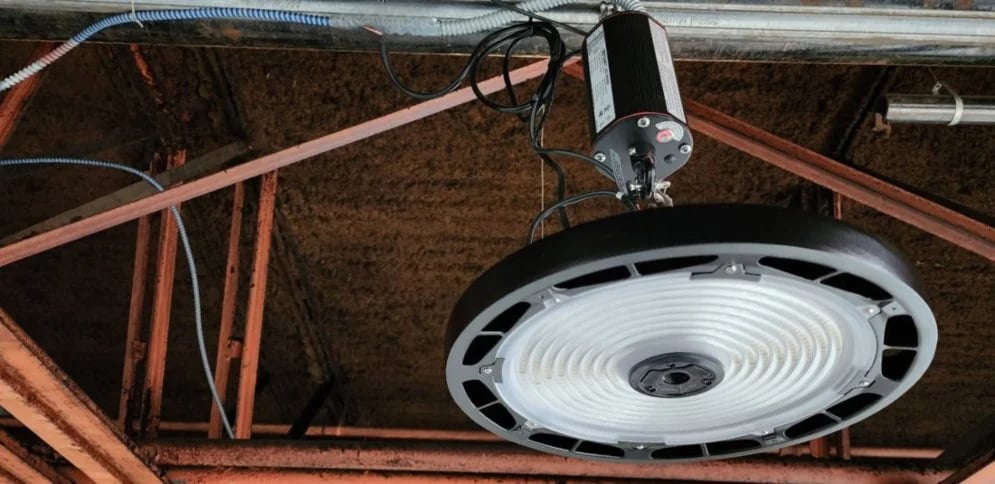
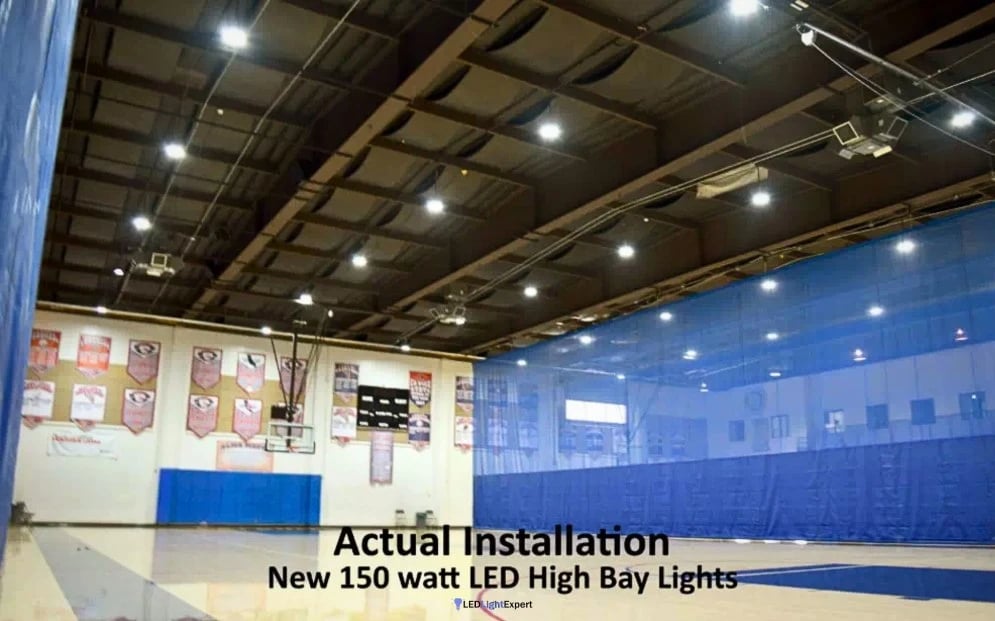
LPD: 0.48 W/sf. Requires occupancy sensors on all aisle fixtures. LED high bays above 15 feet require built-in or external motion sensors.
Parking Lots
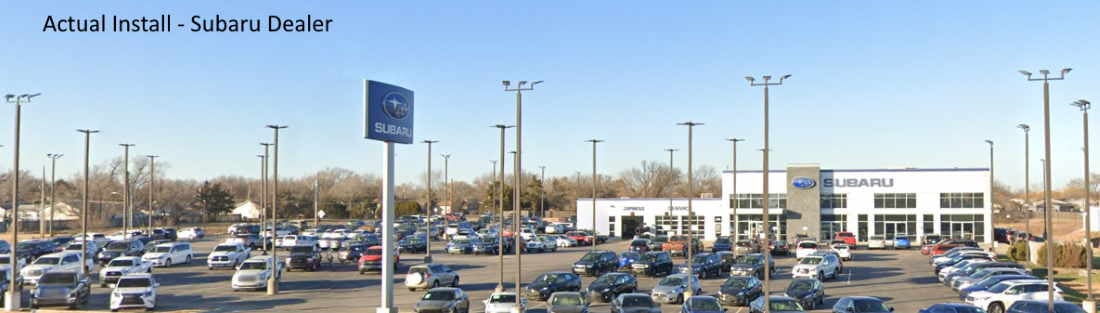
LPD varies by zone (LZ2/LZ3). Requires photocells and motion sensors on fixtures of 40W or more mounted 24 feet or lower. DLC Premium fixtures can help with shielding review, but verify the fixture distribution, BUG rating, and local outdoor-lighting rules.
DLC Standard vs DLC Premium for Title 24
The DesignLights Consortium (DLC) certifies LED fixtures at two tiers. Both qualify for utility rebates, but DLC Premium is recommended for Title 24 projects in California:
| Feature | DLC Standard | DLC Premium |
|---|---|---|
| Minimum efficacy | 110 lm/W (typical) | 135+ lm/W (typical) |
| Utility rebate amount | Standard tier | Higher tier (30–50% more) |
| Dark sky compliance | Check shielding and BUG rating when critical to the project | Check shielding and BUG rating when critical to the project |
| Title 24 margin of safety | Meets current thresholds | Exceeds current thresholds |
| Future code cycle readiness | May need re-evaluation | Built-in headroom for tighter standards |
| Recommended for California? | Acceptable | Strongly recommended |
View our full DLC-listed LED lights catalog to find fixtures that can support rebate and Title 24 project reviews when paired with the required controls, calculations, and documentation.
Indoor vs Outdoor Title 24 Requirements
Indoor Lighting Requirements
- Occupancy/vacancy sensors: Required in spaces over 100 sq ft using more than 0.5 W/sf. Vacancy sensors (manual-on, auto-off) are required in private offices and restrooms.
- Daylighting controls: Required within 15 feet of windows and under skylights in spaces over 120 sq ft. Photocontrols must dim or switch off electric lighting when daylight is sufficient.
- Demand-responsive controls: Under the 2022 code, receptacles are required to connect to demand-responsive controls when both technologies are present.
- Automatic shutoff: All indoor lighting requires automatic time-switch or occupancy-based shutoff.
Outdoor Lighting Requirements
- Lighting zones: Most projects now fall in LZ2 or LZ3 under the 2022 code. Zone 0 allows only a single 15W luminaire for specific applications.
- Shielding: All outdoor fixtures must be fully shielded (the 2022 code replaced "cut-off" with "Shielding"). DLC Premium fixtures can help with this review, but the fixture distribution, BUG rating, and local outdoor-lighting rules still matter.
- Motion sensors: Required on outdoor fixtures of 40W or more mounted 24 feet or lower. Motion sensor options include PIR and microwave types.
- Photocells: Required on all outdoor fixtures for dusk-to-dawn automatic operation.
Key Differences at a Glance
| Requirement | Indoor | Outdoor |
|---|---|---|
| Occupancy sensors | Spaces > 100 sf | Outdoor fixtures 40W+ mounted 24 ft or lower |
| Photocells | Near windows (daylighting) | All fixtures (dusk-to-dawn) |
| Emergency backup | All occupied spaces | Select wall-mounted |
| Shielding | Not required | Full shielding required |
| Demand-responsive | When present | Not currently required |
Emergency Lighting Requirements for Title 24
Emergency lighting is a critical — and often overlooked — component of Title 24 compliance. Here is what you need:
- Battery backup indoor lights: All occupied interior spaces require sufficient emergency illumination to allow safe egress during a power failure. This can be provided by fixtures with built-in battery backup or by separate dedicated emergency units.
- Exit signs: All commercial buildings require illuminated exit signs with battery backup. LED exit signs consume as little as 2–5 watts and last 25,000+ hours.
- Outdoor wall lights: Many outdoor wall-mounted fixtures — particularly at building entrances and exits — require battery backup to maintain egress lighting during outages.
- Battery duration: Emergency lighting must provide a minimum of 90 minutes of illumination at a minimum of 1 foot-candle along egress paths.
Browse our emergency lighting fixtures with built-in battery backup for easy Title 24 compliance.
Current Title 24 Energy Code Notes
California updates the Building Energy Efficiency Standards on a regular cycle. The 2022 Title 24, Part 6 Energy Code took effect January 1, 2023 and remains useful background for projects permitted under that cycle. For permit applications submitted on or after January 1, 2026, California requires the 2025 Energy Code. Lighting projects should be checked against the code cycle that applies to the permit date, local jurisdiction, space type, and alteration scope.
Key takeaway: Treat Title 24 as a current project review, not a one-time fixture label. For 2026 permit work, confirm the 2025 Energy Code, controls, documentation, lighting power density, and local requirements before ordering fixtures.
Indoor Lighting Changes in the 2022 Code
- Receptacles must connect to demand-responsive lighting controls when both technologies are present
- Healthcare facilities and museum buildings added to the Complete Building lighting allowance table
- Numerous reductions to Tailored Method allowances for wall display, floor display, task lighting, and decorative/special effect lighting
- All Room Cavity Ratio allowances reduced
Outdoor Lighting Changes in the 2022 Code
- Zone definitions changed — most projects now fall in LZ2 or LZ3
- All hardscape lighting allowances reduced; Zone 0 allows only a single 15W luminaire for specific applications
- Allowance differences between concrete and asphalt eliminated
- The term "cut-off" replaced with "Shielding" for code purposes
- New application-specific additional lighting power allowances for security cameras
Photovoltaic and Battery Changes in the 2022 Code
- New buildings with specific occupancies must comply with Solar Access Roof Area (SARA) requirements
- All buildings requiring PV systems must also have a properly sized battery system
- Common shared systems are allowed to meet solar and battery requirements under certain conditions
For the latest code text, visit the California Energy Commission 2025 Energy Code page. You can also review this Memo from RuggedGrade Lighting regarding Title 24 for additional compliance details.
Title 24 Compliance Checklist
Key takeaway: Use this checklist before purchasing fixtures or submitting plans for permit. Title 24 compliance is a combination of efficient fixtures, proper controls, and correct documentation — missing any element can delay your project or result in failed inspections.
- Verify project scope triggers Title 24: Are you replacing, modifying, or disconnecting 10% or 40+ fixtures (whichever is less) in a space? If yes and you are pulling a permit, Title 24 applies.
- Select appropriate LED fixtures: DLC Premium fixtures are a strong starting point for efficiency and rebate review, but verify shielding, controls, lighting power density, and local requirements before permit submission.
- Calculate lighting power density: Total your installed watts and divide by the space square footage. Verify this number falls within the LPD limit for your specific space type.
- Specify occupancy or vacancy sensors: Indoor spaces over 100 sq ft with more than 0.5 W/sf need sensors. Outdoor fixtures of 40W or more mounted 24 feet or lower need motion sensors.
- Include daylighting controls: Spaces within 15 feet of windows or under skylights (over 120 sq ft) require photocontrols that dim or switch off electric lighting when daylight is adequate.
- Install photocells on all outdoor fixtures: Dusk-to-dawn photocells are mandatory for all outdoor lighting under Title 24.
- Plan emergency lighting: Include battery backup for indoor occupied spaces, exit signs, and applicable outdoor wall fixtures. Minimum 90 minutes at 1 foot-candle.
- Check demand-responsive requirements: Under the 2022 code, indoor receptacles must connect to demand-responsive controls when both technologies are present.
- Verify outdoor lighting zone: Confirm whether your project falls in LZ2, LZ3, or another zone. Verify your hardscape allowance against the limits in the code cycle that applies to your permit date.
- Document everything for permit: Prepare compliance documentation including fixture cut sheets, control schedules, LPD calculations, and sensor locations for plan review.
Frequently Asked Questions About Title 24 Compliance
Title 24 is the California Building Standards Code, published by the California Building Standards Commission. Part 6 specifically addresses energy efficiency requirements for lighting, HVAC, and building envelopes. It applies to all buildings in California — not just state-owned properties — and sets mandatory standards for luminaire efficiency, lighting controls, and power density that affect every commercial and residential lighting project requiring a permit.
Yes. LED lights meet and exceed Title 24 luminaire efficiency requirements. DLC-listed LED fixtures deliver 100–200 lumens per watt, well above the minimum efficacy thresholds set by the California Energy Commission. However, Title 24 compliance also requires appropriate lighting controls — occupancy sensors, photocells, and daylighting controls — depending on the space type and size.
Title 24 compliance is triggered when you replace, modify, move, or disconnect and reconnect at least 10% or 40 light fixtures in a space (whichever is less) and you are pulling a permit for the project. Routine maintenance — such as replacing a burned-out lamp with the same type — does not trigger compliance. New construction generally requires full Title 24 compliance.
In most cases, yes. Title 24 requires occupancy or vacancy sensors in interior spaces greater than 100 square feet that use more than 0.5 watts of lighting per square foot. For outdoor lighting, motion sensing controls are required on most fixtures of 40W or more mounted 24 feet or lower. The specific sensor type and control strategy depend on the space classification and fixture height. Browse our motion sensor lights.
DLC Standard certification meets the baseline efficiency requirements for utility rebates, while DLC Premium exceeds those thresholds and qualifies for higher rebate amounts. For Title 24 projects in California, DLC Premium fixtures are a useful starting point because they exceed baseline efficacy thresholds and may qualify for stronger rebates. Outdoor projects still need fixture shielding, BUG rating, controls, and local requirements checked.
Yes. Title 24 applies to both residential and commercial buildings in California. For residential projects, the requirements focus on high-efficacy light sources (LED), vacancy sensors in bathrooms and laundry rooms, and dimming capability in habitable rooms. The 2022 code cycle also added requirements for battery storage and solar readiness that affect residential electrical design.
For permit applications on or after January 1, 2026, California uses the 2025 Energy Code. Projects permitted under the prior cycle still need the 2022 rules checked, but current 2026 work should be reviewed against the 2025 Energy Code, including applicable lighting power density, controls, documentation, and local enforcement requirements.
Yes. Indoor occupied spaces need battery backup lighting for safe egress during power failures — minimum 90 minutes at 1 foot-candle. All commercial buildings require exit signs with battery backup. Many outdoor wall-mounted fixtures at entrances also require battery backup. See our emergency lighting options.
Start with DLC Premium LED fixtures for efficiency review, then verify dark-sky shielding, controls, lighting power density, permit scope, and local requirements. Add occupancy or vacancy sensors in all required spaces. Install photocells on outdoor fixtures. Include emergency lighting and exit signs with battery backup. Verify your lighting power density, and work with a qualified electrician who understands the current code cycle.
Related Articles
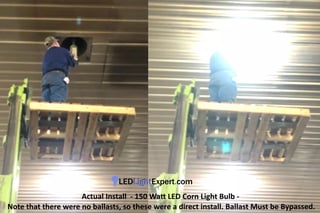 DLC Listed LED Lights
Shop DLC-listed fixtures, the listing most utilities require for commercial lighting rebates.
DLC Listed LED Lights
Shop DLC-listed fixtures, the listing most utilities require for commercial lighting rebates.
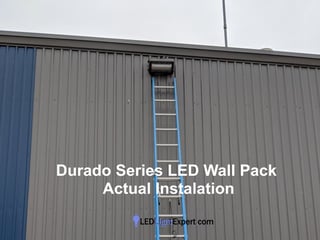 Motion Sensor Lights Guide
Learn how occupancy and motion sensors work with LED lighting for energy savings and enhanced security.
Motion Sensor Lights Guide
Learn how occupancy and motion sensors work with LED lighting for energy savings and enhanced security.
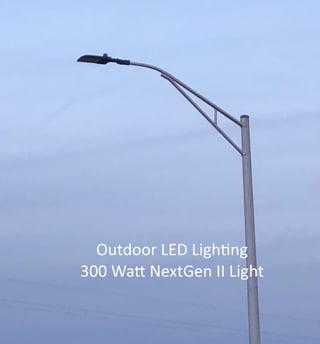 Outdoor Lighting: A Complete Buying Guide
Complete guide to outdoor LED lighting — fixture types, IP ratings, mounting options, dark sky compliance, and how to choose the right outdoor lights.
Outdoor Lighting: A Complete Buying Guide
Complete guide to outdoor LED lighting — fixture types, IP ratings, mounting options, dark sky compliance, and how to choose the right outdoor lights.

About the Author


Need Help With Title 24 Compliance?
Our lighting experts can help you select the right Title 24 compliant LED fixtures and controls for any California project.
TALK TO THE EXPERTS


