LED Can Lights

LED can lights and recessed downlights provide clean ceiling lighting for homes, offices, retail areas, corridors, and hospitality spaces. Compare can size, trim, retrofit type, IC rating, wet rating, beam angle, dimming, and Kelvin.


USA Based Experts in less than 60 seconds Call Now: 800-674-9420

On orders over $49.00

Up to 7 Years Free Warranty On LED Lights

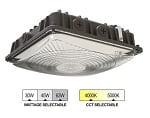

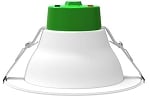
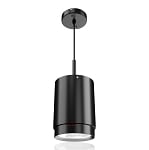
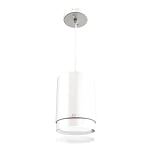
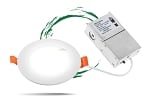
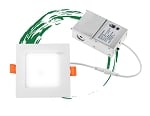
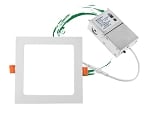
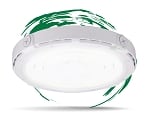
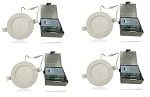
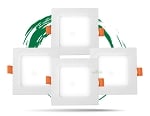
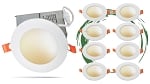
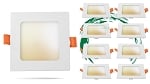
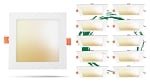
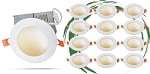
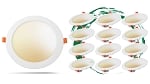
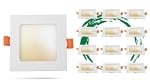
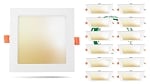
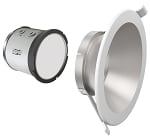
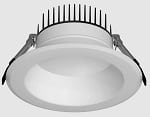
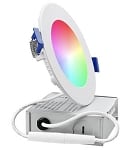
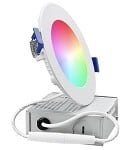
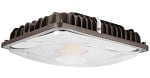
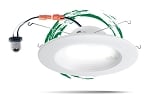
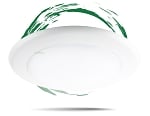
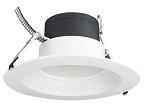
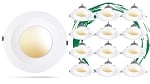
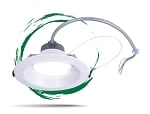
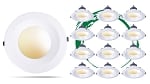

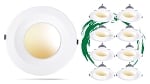
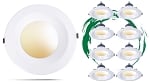

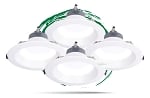
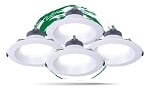
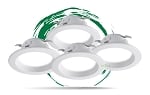
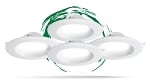

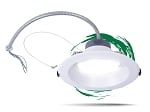
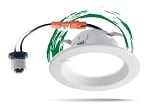
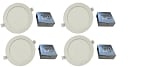

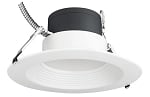
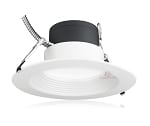







LED can lights, also called recessed lights or downlights, place the light source inside the ceiling so the finished space stays clean and uncluttered. They are used in homes, offices, retail areas, hotels, corridors, lobbies, and other spaces where general or accent downlighting is needed.
The main decision is whether the project uses an existing recessed can, a retrofit module, or a new-construction housing. That choice affects trim style, wiring, ceiling access, IC rating, airtight rating, and wet-location options.
Common sizes include 4-inch, 5-inch, and 6-inch fixtures. Smaller apertures feel more architectural and work well for accent lighting. Larger apertures provide broader general light. Trim choices control appearance and beam behavior; baffle, smooth, gimbal, wall-wash, and wet-location trims all serve different purposes.
Check IC rating when insulation may contact the housing. Use wet-location rated trims in showers, covered outdoor ceilings, or other damp areas. For dimming, confirm the LED module and dimmer are compatible before installation.
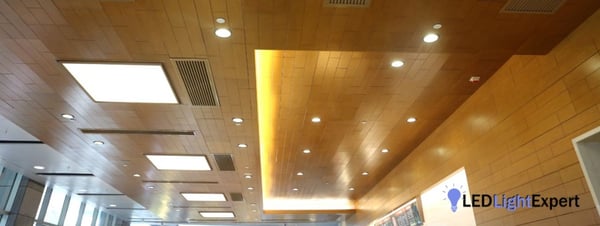
Can light spacing depends on ceiling height, beam angle, lumen output, and whether the goal is general light, accent light, or wall washing. A narrow beam can highlight artwork or counters, but it may create scallops and dark spots if used as the only room lighting. Wider beams are better for general coverage.
For remodels, measure the existing housing before ordering retrofit modules. Trim diameter alone is not enough; can depth, spring clips, socket adapter, and dimmer compatibility all affect fit.
Can lights, also called recessed lights, are installed into a ceiling or wall opening. The nickname comes from the cylindrical metal housing that sits above the finished surface. The visible rim is the trim. Recessed can lights are common in kitchens, closets, living rooms, offices, retail spaces, lobbies, libraries, and meeting areas because they provide downlight without hanging below the ceiling plane.
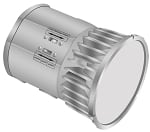
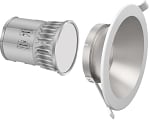
LED can lighting can use retrofit modules, replacement bulbs, or housings designed specifically for LEDs. Many retrofit modules screw into an Edison-base socket inside an existing recessed housing, allowing the old bulb and trim to be replaced without rebuilding the ceiling. That makes LED retrofits useful when the housing is in good condition and the installer verifies fit, wiring, dimmer compatibility, insulation contact rating, and trim style.
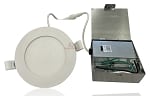
The original guide compared disk retrofits, bulb replacements, wafer lights, and traditional can housings. Disk and retrofit modules can modernize existing cans with new trims and integrated LEDs. Wafer or canless lights are thin assemblies with integrated LEDs and a remote junction box, often used when ceiling depth is limited. Traditional cans offer more trim choices and can make future lamp replacement easier in some designs. The correct choice depends on ceiling depth, access above the ceiling, desired trim, fire or insulation requirements, and maintenance preference.
Common residential can sizes include 4-inch, 5-inch, and 6-inch housings, while 8-inch and 10-inch options are more common in commercial spaces or higher ceilings. Smaller cans can work for task or accent lighting in closets, pantries, counters, and low ceilings. Larger cans provide more output for bigger rooms. LED can lights can reduce energy use compared with incandescent, halogen, CFL, or fluorescent sources, produce less heat, offer more color options, and avoid mercury found in fluorescent lamps.
Can light size is measured by the inside diameter of the housing with the trim or module removed. Four-inch can lights are common for small rooms, cabinets, pantries, and task lighting. Six-inch can lights are common in residential ceilings because they provide broad general illumination. Eight-inch and ten-inch cans are more common in business buildings, high ceilings, and larger spaces where more brightness is needed.
Recessed lighting can be used for accent lighting, ambient lighting, workstations, reading rooms, offices, shops, libraries, kitchens, living rooms, and bedrooms. Because the fixture is hidden in the ceiling plane, it can make a room feel less cluttered. It still needs correct spacing, beam angle, trim, color temperature, brightness, and dimming compatibility. LED can lights also reduce heat compared with halogen or incandescent lamps, which can lower cooling load in some spaces.
Before installation, confirm the following: ceiling depth, housing diameter, trim color, white color temperature, dimmer type, electrical box access, insulation contact rating, and whether the space needs a retrofit can, wafer light, or new-construction housing. This keeps the option matched to the room instead of forcing one recessed product into every ceiling.
LED can lights are recessed downlights installed in a ceiling opening. They may use a traditional recessed housing with an LED retrofit module or a newer integrated LED housing.
Common sizes are 4-inch, 5-inch, and 6-inch. Smaller fixtures are often used for accent lighting and modern layouts. Larger fixtures provide broader general illumination.
Yes, many existing cans can accept LED retrofit modules. Confirm can size, socket type, trim fit, dimmer compatibility, and whether the location requires IC, airtight, damp, or wet rating.
Many LED can lights are dimmable, but the module and dimmer must be compatible. Check the manufacturer dimmer list to avoid flicker, buzzing, or limited dimming range.
Use the products above as a starting point, then confirm can size, trim type, IC or wet rating, beam angle, dimmer compatibility, and color temperature before ordering.
Contact LED Light ExpertCall Now: (800) 674-9420


Dara Greaney is the CEO and President of LEDLightExpert.com, a leading company in commercial lighting solutions. Since 2015, he has led the company to achieve remarkable growth and recognition, including being an Inc5000 winner three times: No. 3783 in 2022, No. 2428 in 2021, and No. 531 in 2020.


Editing by David Peguero.


On orders over $49.00
Up to 7 Years Free Warranty On LED Lights