Kelvin Selectable Lights

USA Based Experts in less than 60 seconds Call Now: 800-674-9420
On orders over $49.00
Up to 7 Years Free Warranty On LED Lights


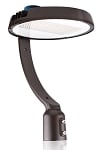
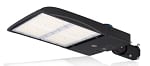
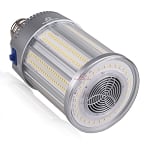
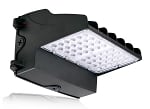
Kelvin selectable LED lights provide more than one white-light setting in the same fixture. Instead of ordering separate 3000K, 4000K, and 5000K models, the installer can select the color temperature that best fits the space. This reduces ordering risk, simplifies inventory, and helps projects adapt when the final room use changes.
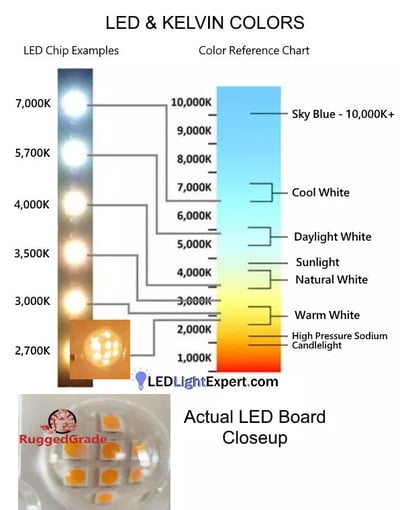
Warm white light in the 2200K to 3000K range is commonly used where comfort and lower perceived harshness matter. Neutral 3500K to 4000K is common in offices, schools, retail, and general commercial spaces. Cooler 5000K and above is often selected for warehouses, task areas, security lighting, and places where crisp visibility is the priority.
Most Kelvin selectable fixtures use multiple LED channels or phosphor mixes controlled by a switch, driver setting, or compatible control system. The setting changes the correlated color temperature, or CCT, while the fixture keeps the same housing and mounting. Some models also include wattage selection, allowing one fixture to cover several output levels.
Selection should still be deliberate. Match color temperature to the task, surface colors, occupant comfort, and nearby fixtures. Mixed color temperatures in one room can look patchy, so choose a standard setting for each area before installation begins.
Color selectable fixtures are especially helpful for contractors, facility managers, and multi-site buyers who need flexibility without stocking every color temperature. A single product line can serve different rooms or buildings, while field adjustment keeps the final choice close to the actual environment.
Kelvin selectable lights let the installer or owner choose the white-light appearance from one fixture. The setting is usually made by a switch on the fixture, driver, or remote control before or during installation. This is useful when the buyer is not certain whether the room should use warm white, neutral white, cool white, or daylight. It also helps contractors stock fewer SKUs while still matching different rooms, tenants, or owner preferences.
CCT means correlated color temperature. It describes whether white light appears more yellow, neutral, or blue and is measured in Kelvin. The common selectable range for LED fixtures is often around 2200K to 6500K, though products vary. Warm sources around 2200K to 3000K appear yellow or amber and are often used where a softer mood is wanted, such as restaurants, hospitality spaces, homes, and some decorative areas. Cool and daylight settings above 4000K appear whiter or bluer and are often used where visibility, alertness, or a cleaner task appearance is more important.
Choosing warm white or cool white is partly preference and partly application. Homes often use warmer settings because they resemble traditional incandescent light. Commercial and industrial areas often use 4000K or 5000K because the light looks brighter to many people and can support task visibility. Retail spaces should consider how the color temperature affects merchandise, finishes, and customer perception. Offices, garages, warehouses, clinics, and schools should compare comfort, glare, color rendering, and task needs before choosing a setting.
Kelvin is related to temperature as a scientific unit, but in lighting it is a way to describe color appearance, not fixture heat. Adjustable CCT LEDs create multiple white tones in one fixture, giving the user a way to change the tone before a final decision is locked in. The setting should still be documented after installation. If a room has several fixtures, set them consistently so one area does not appear warm while the next appears blue unless that contrast is intentional.
The Kelvin scale is an international temperature scale, but CCT uses Kelvin to describe the color appearance of white light. Lower Kelvin settings appear warmer and more yellow. Higher Kelvin settings appear cooler and more blue. Many selectable fixtures offer several white-light temperatures in one product, letting the user compare shades before making the final setting.
Warm white can make homes, restaurants, and hospitality spaces feel softer. Neutral white can keep offices, shops, and general commercial areas balanced. Cool white or daylight can support task visibility in garages, warehouses, clinics, schools, and industrial areas. The right color temperature depends on the application, surfaces, product colors, customer expectations, and the tone the space should communicate. When several fixtures are installed together, record the selected CCT so future replacements match.
CCT, or correlated color temperature, describes the color appearance of white LEDs. It tells you whether the white light from a fixture appears warm, neutral, cool, yellow, or blue. CCT is measured in Kelvin, and common LED choices often range from warm white around 2200K to 3000K, neutral white around 3500K to 4000K, and cooler daylight settings above 5000K.
Warm white is often preferred in homes, restaurants, hospitality spaces, and decorative areas because it creates an inviting and welcoming mood. Cool white and daylight settings can appear brighter to the eye and are often selected for garages, warehouses, clinics, schools, offices, industrial areas, and other spaces where task visibility is important. Retail spaces should also consider how the color temperature affects merchandise, finishes, and customer perception.
Selectable CCT gives the installer or owner a way to choose after the fixture is on site. That is useful when it is hard to settle on a single shade before seeing the room, surface colors, ceiling height, and other fixtures. The setting may be made by a switch, driver setting, or control, but the final color choice should still be documented so replacement fixtures and future work match the original installation.
Kelvin selectable means the fixture can be set to more than one white-light color temperature, such as 3000K, 4000K, or 5000K. The setting is usually made with a switch, driver setting, or compatible control.
Use warmer settings such as 2700K to 3000K where comfort matters, neutral 3500K to 4000K for general commercial spaces, and cooler 5000K settings for warehouses, task areas, and security-focused spaces.
They can cost more than fixed-CCT fixtures, but the flexibility can reduce ordering mistakes, simplify inventory, and make phased projects easier to match.
Many models can be changed after installation if the selector is accessible and power is handled safely. Some settings are inside the fixture, so a qualified installer may be needed.
LED Light Expert offers a comprehensive selection of kelvin selectable lights and color temperature adjustable LED fixtures for residential, commercial, and industrial applications. With the flexibility to choose your color temperature at installation or adjust it on demand, our kelvin selectable lighting solutions adapt to your unique needs and preferences.
Contact us for expert guidance on selecting the right kelvin selectable lights for your space.
Contact UsCall us at 800-674-9420 or email [email protected] for expert help selecting the appropriate kelvin selectable lights for your application.
Dara Greaney is the CEO and President of LEDLightExpert.com, a leading company in commercial lighting solutions. Since 2015, he has led the company to achieve remarkable growth and recognition, including being an Inc5000 winner three times: No. 3783 in 2022, No. 2428 in 2021, and No. 531 in 2020.
Editing by David Peguero.
On orders over $49.00
Up to 7 Years Free Warranty On LED Lights