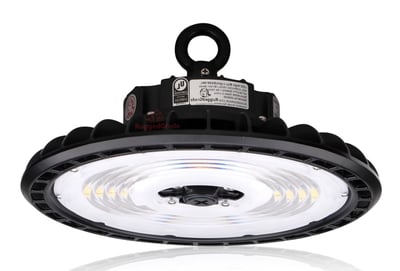
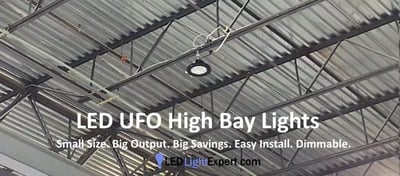
Dimmable LED High Bay Lights
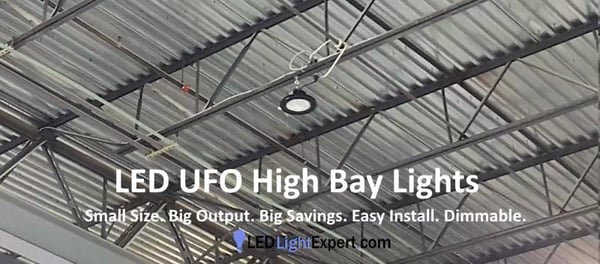
Dimmable LED high bay lights let warehouses, gyms, shops, and industrial spaces lower output when full brightness is not needed while keeping light levels matched to the task.


USA Based Experts in less than 60 seconds Call Now: 800-674-9420

On orders over $49.00

Up to 7 Years Free Warranty On LED Lights
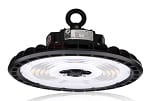

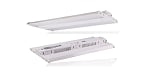
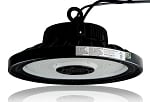
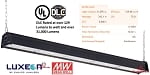

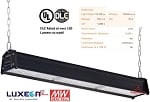
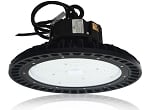
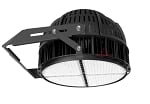
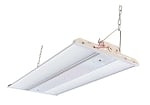
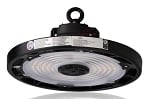
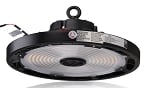
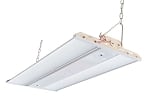

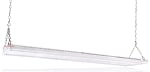


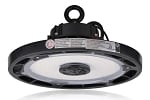
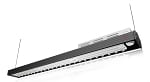

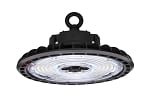

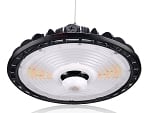
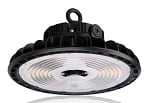


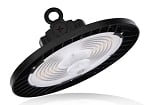
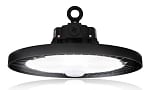
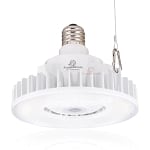
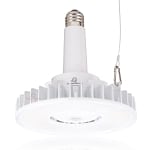
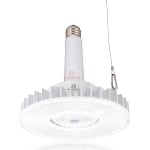

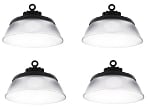
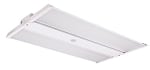
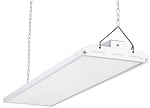
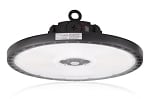
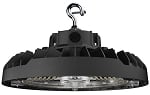
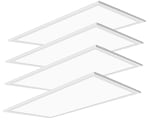
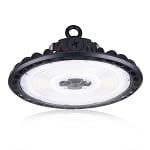
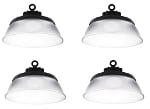
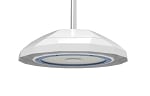
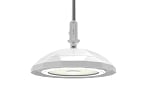
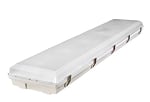
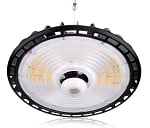

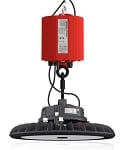
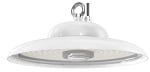
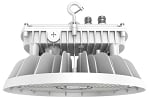
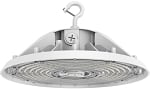
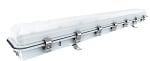

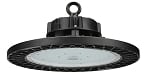
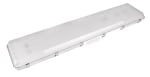

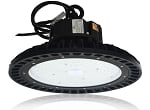
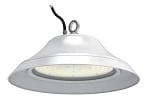


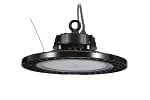
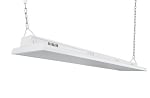
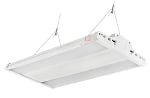
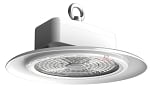
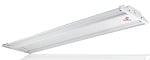

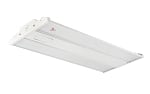

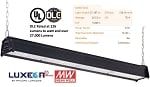
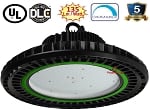
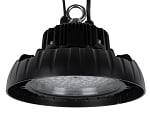

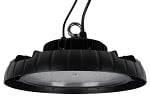
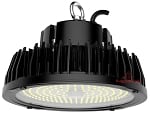
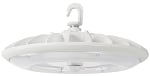







Dimmable LED high bay lights let facilities reduce output when full brightness is not needed while keeping the space ready for work, sports, cleaning, or events. They are used in warehouses, manufacturing areas, gyms, shops, distribution centers, and other high-ceiling spaces.
The dimming method matters. Most commercial high bays use 0-10V dimming, while some projects use DALI, wireless controls, fixture-mounted sensors, or building automation systems. The fixture driver, sensor, dimmer, and control wiring must be compatible.
0-10V is common in commercial lighting. It usually uses low-voltage control wires to tell the driver what output level to provide.
Motion or occupancy sensors can bring high bays to full output when people are present, then dim or turn them off when the area is inactive. Daylight controls can reduce output in spaces with skylights or windows.
Large facilities often group fixtures by aisle, court, work cell, or bay. This gives operators more control than switching the whole building at one level.
Before ordering, confirm ceiling height, fixture spacing, target foot-candles, dimming range, sensor type, voltage, wiring access, and whether controls need to integrate with an existing building system. In gyms and recreation spaces, dimming can support games, practices, cleaning, and non-sport events, but the full-output layout still needs to meet the required light levels and uniformity.
Dimmable high bays can be controlled with wall dimmers, low-voltage 0-10V wiring, fixture-mounted sensors, networked devices, or smart systems. Some facilities use wireless protocols such as Zigbee or Z-Wave when adding control wires is difficult, though compatibility with the fixture driver and building controls still has to be confirmed.
Different areas may need different options. A warehouse aisle can dim when motion stops. A gym can use one light level for practice and another for events. A shop or manufacturing area may keep task zones brighter while storage zones run lower.
The value of dimming is flexibility. Operators can adjust brightness, reduce power during inactive hours, and support different tasks without replacing the fixture every time the use of the space changes.
Different dimmable high bay systems use different control processes. 0-10V dimming sends a low-voltage signal to the driver. 1-10V systems are similar but not identical. DALI is a digital addressable lighting interface for more advanced control. Smart devices may use Zigbee, Z-Wave, or another wireless method when a facility wants control without running new wires.
Motion sensors can switch or dim fixtures when people enter a warehouse aisle, shop bay, or gym. A wall switch can still be used for simple zones, while networked controls can adjust brightness by schedule or activity. Pulse-based driver behavior and dimming width vary by product, so the specification sheet matters.
Dimming can reduce energy consumption, extend useful fixture life by lowering operating stress during low-demand periods, and give operators better flexibility. The system should be easy to use, not just advanced on paper.
Spec sheets use several terms that can sound similar. PWM, or pulse width modulation, changes output through rapid pulses. 0-10V and 1-10V use low-voltage control ranges. DALI uses digital communication and can offer more precise control in larger systems. Zigbee and Z-Wave are wireless smart-device protocols that may help where wiring is difficult.
Each option has a different role. A simple switch may be enough for one room. Motion sensors may work better in aisles. Smart devices may be useful where managers want scheduling. A DALI interface can matter when a facility needs addressable control by fixture.
Dimming gives operators the ability to adjust illumination, reduce electricity use, and extend lifespan by lowering power when full brightness is not required. It also makes metal halide replacement easier in spaces where one fixed light level no longer fits every task.
Dimmable LED high bays use drivers that reduce output in response to a control signal. The most common commercial method is 0-10V dimming, though some projects use DALI, wireless controls, or fixture-mounted sensors.
Hardwired 0-10V dimming usually requires low-voltage control wires in addition to line voltage. Wireless or fixture-mounted sensor systems may reduce rewiring, but compatibility should be confirmed before ordering.
Savings depend on run hours and occupancy patterns. Warehouses, gyms, and storage areas with intermittent use can often reduce energy beyond the base LED savings by dimming or turning fixtures down during inactive periods.
Often, yes, if the fixture driver and sensor are compatible. Check whether the fixture accepts 0-10V controls, plug-in sensors, microwave sensors, PIR sensors, or networked controls.
Many commercial LED high bays dim from 100 percent down to about 10 percent. Very low dim levels, smooth dimming, and no flicker depend on driver quality and control compatibility.
Yes. Gyms and recreation spaces can use different light levels for games, practice, cleaning, and non-sport events. The layout should still meet the required foot-candles and uniformity at full output.
Use the products above as a starting point, then confirm ceiling height, target light levels, dimming method, sensors, wiring, and zones.
Contact LED Light Expert for help confirming the right fixture, layout, and controls before ordering.
Contact UsCall Now: (800) 674-9420


Dara Greaney is the CEO and President of LEDLightExpert.com, a leading company in commercial lighting solutions. Since 2015, he has led the company to achieve remarkable growth and recognition, including being an Inc5000 winner three times: No. 3783 in 2022, No. 2428 in 2021, and No. 531 in 2020.


Editing by David Peguero.

On orders over $49.00
Up to 7 Years Free Warranty On LED Lights