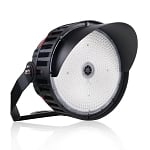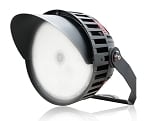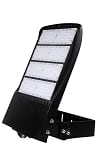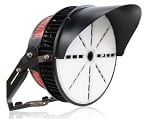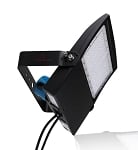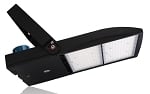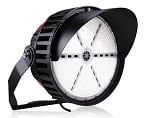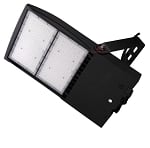
LED Stadium Lights

USA Based Experts in less than 60 seconds Call Now: 800-674-9420
On orders over $49.00
Up to 7 Years Free Warranty On LED Lights


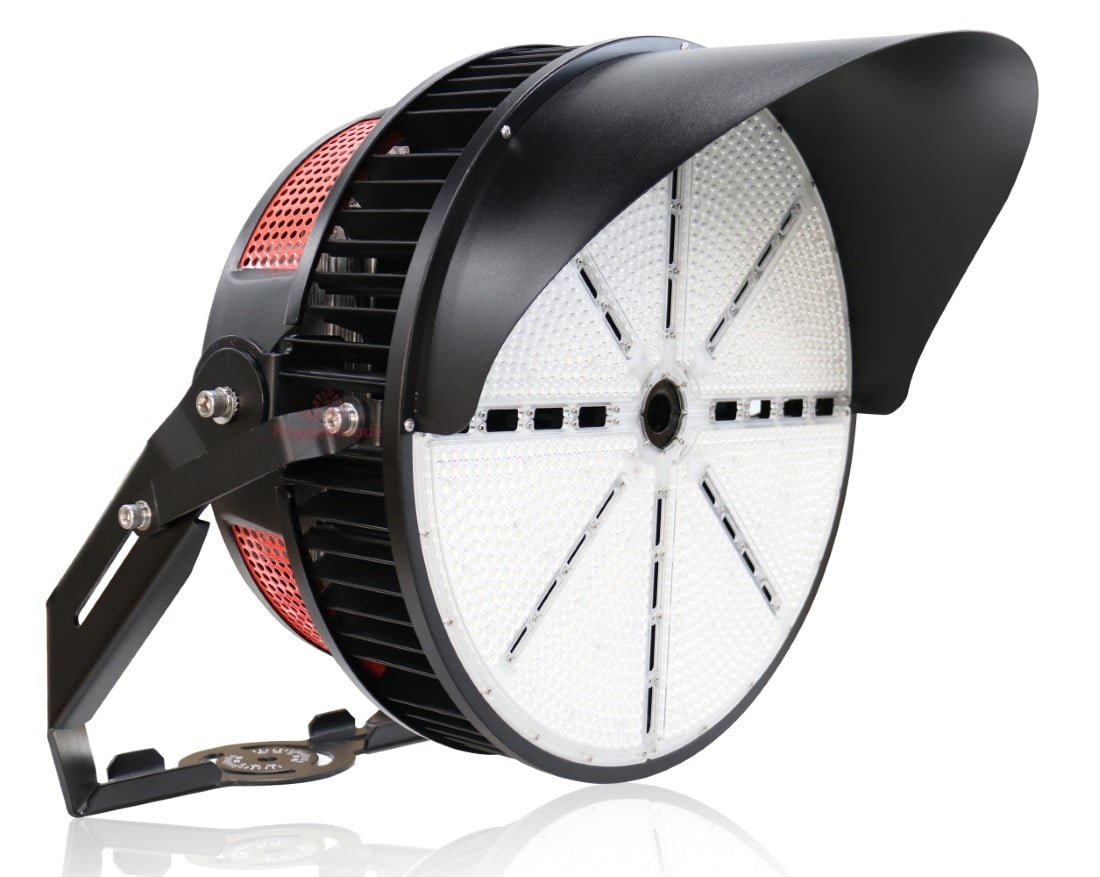
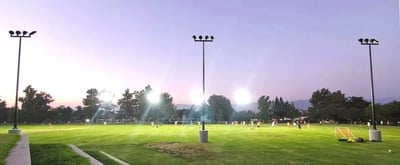
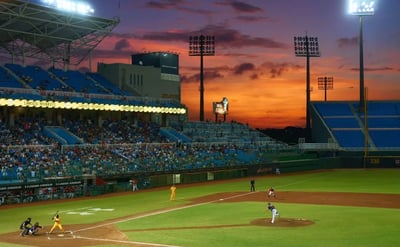
Making the shift from traditional sports lighting to LED technology offers numerous benefits, not just in cost savings but in improving the visual experience for athletes and spectators. Unlike high-pressure sodium and metal halide fixtures, LED sports lights provide illumination and reduced glare without mercury lamps and with better control over spill and glare. They use current optics to distribute light uniformly throughout the arena, enhancing visibility and safety for players and fans alike.
Thanks to the longevity of LED lights, stadiums and sporting venues can expect a significant decrease in maintenance costs. Facilities interested in upgrading their systems can find comprehensive guidance and considerations in our detailed Stadium Lights Guide. This covers everything from installation to cost benefits. This transition supports sustainability and supports player visibility and spectator enjoyment by providing consistent, optimal lighting conditions.
Understanding the unique sports lighting requirements for different types of fields and playing surfaces is critical in enhancing the performance and experience at your sports facility. Below are some of the most common types of playing surfaces and the specific LED sports lighting solutions suited for each:
Each venue has its own lighting requirements. A community court, school field, training facility, and professional arena may need different foot-candle levels, uniformity, glare control, pole heights, and controls. The right setup supports visibility for players, officials, spectators, and cameras when cameras are part of the project.


Sports lighting projects should start with the field dimensions, pole locations, mounting height, level of play, target foot-candles, uniformity, spill-light limits, and whether cameras or broadcasts are involved. The fixture choice follows those requirements.
LED Light Expert can help compare wattage, beam angle, mounting options, voltage, controls, and photometric layout needs. Community courts, school fields, parks, and professional venues all need different fixture counts and aiming plans.
LED sports lights are quickly becoming the common choice for stadiums and arenas due to their numerous advantages. They provide enhanced safety by offering uniform illumination. This reduces glare and improves visibility. This lowers the risk of accidents and injuries.
LED sports lights can reduce maintenance compared with metal halide systems because they avoid lamp warmup, restrike delays, and routine relamping. Rated life varies by fixture and operating conditions, so compare the product warranty, thermal design, surge protection, driver access, and expected run hours.
Choosing LED lights promotes safety, efficiency, and sustainability, making them a practical option for sports fields.
Choosing the right wattage for your LED stadium lights depends on mounting height, field dimensions, and the level of play. The table below provides general guidelines for common sports facility applications:
| Application | Mounting Height | Recommended LED Wattage | Lumens per Fixture |
|---|---|---|---|
| Practice Fields / Recreation | 30-50 ft | 300-600W | 45,000-90,000 |
| High School Football / Soccer | 50-70 ft | 600-1000W | 90,000-150,000 |
| College / Semi-Pro Stadiums | 70-90 ft | 1000-1500W | 150,000-225,000 |
| Professional / Broadcast-Level | 80-120 ft | 1200-2000W | 180,000-300,000 |
| Tennis Courts / Small Venues | 20-35 ft | 150-500W | 22,000-75,000 |
These figures are starting points. Actual requirements vary based on uniformity ratios, glare control, pole locations, field dimensions, and sanctioning body standards. A photometric layout is the right way to confirm fixture count, beam angle, aiming, and expected light levels.
Below, we've answered a few of the common questions about LED sporting lighting. Please contact us if you need additional information.
A football field may use roughly 16 to 24 LED stadium lights on 4 to 6 poles, but that is only a planning range. The exact count depends on field dimensions, pole locations, fixture wattage, beam angle, mounting height, spill-light limits, and the required level of play. Recreational lighting usually needs fewer fixtures than broadcast-ready lighting. A photometric analysis tailored to your field dimensions and pole locations provides the most accurate fixture count.
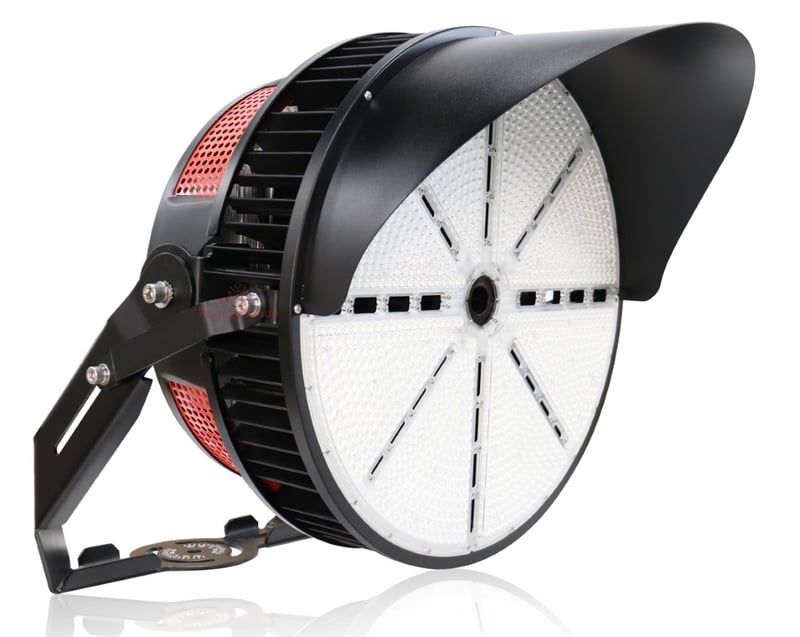
LED stadium lights are specially engineered for high-mounting-height applications (50-120+ feet) with precision optics that project light over long distances while maintaining uniformity across playing surfaces. LED flood lights are designed for lower mounting heights (10-40 feet) and wider beam angles suited to parking lots, building facades, and general area lighting. Stadium lights typically deliver higher lumen output per fixture, use specialized anti-glare visors, and meet sport-specific illumination standards that general flood lights are not designed for.
Yes. Modern LED stadium lights deliver high Color Rendering Index (CRI 80+) and flicker-free operation critical for HD and 4K broadcast cameras. LED stadium lights eliminate the warm-up and restrike delays associated with metal halide fixtures, ensuring consistent light levels throughout events. LED stadium lights support instant on/off and dimming. That gives facility operators precise control over lighting levels for practices, games, broadcasts, and maintenance.
The cost of installing LED lights for sports fields can vary significantly depending on the size of the venue and the type of lighting technology chosen. Generally, LED lights are more expensive upfront, but they reduce long-term costs due to their energy efficiency and lower maintenance needs.
LED lighting improves visibility for players, spectators, officials, and cameras. Also, LED lights have a longer lifespan and are more energy-efficient, reducing both energy bills and maintenance costs.
Key features to consider when purchasing LED sports lighting include the light intensity, color rendering index and beam spread. These factors help determine whether the lighting meets the needs of the sport, level of play, viewing distance, and surrounding property.
For sports lighting, compare the fixture to the field: mounting height, pole setback, beam angle, wattage, voltage, controls, spill-light limits, and level of play. Use the products above as a starting point, or contact LED Light Expert to review whether the project needs a photometric layout before ordering.
Contact LED Light ExpertCall Now: (800) 674-9420


Dara Greaney is the CEO and President of LEDLightExpert.com, a leading company in commercial lighting solutions. Since 2015, he has led the company to achieve remarkable growth and recognition, including being an Inc5000 winner three times: No. 3783 in 2022, No. 2428 in 2021, and No. 531 in 2020.
Editing by David Peguero.
On orders over $49.00
Up to 7 Years Free Warranty On LED Lights