LED Grow Lights
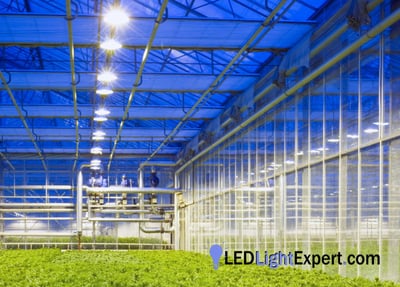
LED grow lights should be selected by crop stage, spectrum, fixture output, coverage area, mounting height, heat load, dimming, and control strategy. Confirm the room layout and electrical requirements before ordering.


USA Based Experts in less than 60 seconds Call Now: 800-674-9420

On orders over $49.00

Up to 7 Years Free Warranty On LED Lights


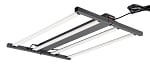


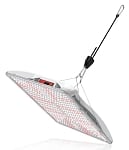








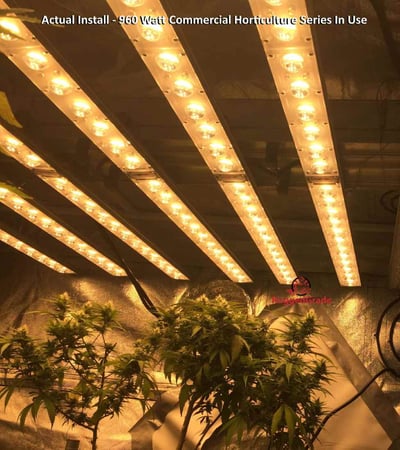
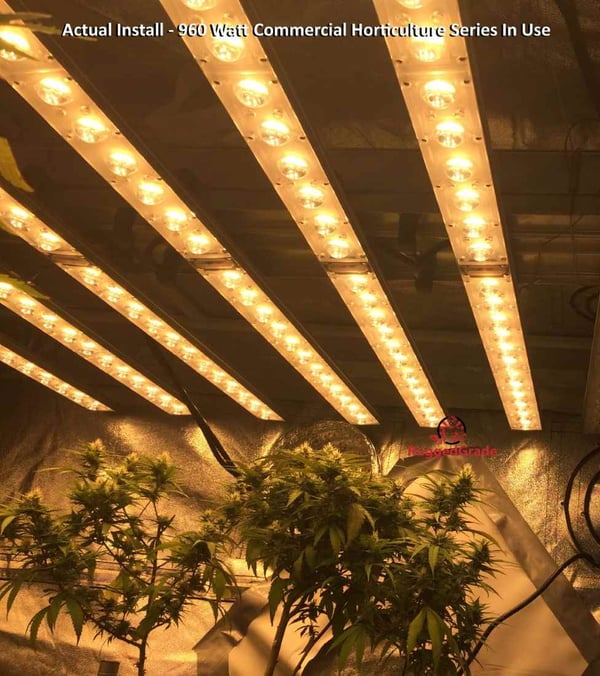
Grow lights are artificial light sources selected to provide usable spectrum, intensity, and duration for indoor plant growth. Grow Lights can be used to supplement natural sunlight or to replace it entirely, depending on the type and stage of the plant. See the guide on why LED grow lights that use the latest in full spectrum light coverage ensure healthy and productive plants with durable growth.
There are several factors to consider when using grow lights, such as:
When in doubt, compare the actual spectrum and PPFD map. Full-spectrum light is common for many growing applications, including lights for growing cannabis. This is not surprising since the sun is the most full spectrum light source there is. Full spectrum light contains all the wavelengths that plants need for photosynthesis and photomorphogenesis. High color rendering can help people evaluate plant color, but PAR, PPFD, spectrum, uniformity, and heat load are more important for growth planning. R9 is a measure of how well a light source renders red colors. That matters for plant health and appearance. CRI is a measure of how well a light source renders all colors. That matters for plant quality and identification.
PAR stands for photosynthetically active radiation. This is the range of wavelengths that plants use for photosynthesis (400-700 nm). PAR is a better way to measure light for plant growth than lumens or lux. Lumens and lux are based on human perception of brightness. PAR indicates how much usable light a plant receives for photosynthesis. This determines its growth rate and yield. PAR can vary depending on several factors, such as seasonality, latitude, time of day, cloud cover, shade, air pollution, etc. Generally, PAR levels are highest during midday in summer at low latitudes, and lowest during early morning or late afternoon in winter at high latitudes.
PAR is important because it is essential for plant growth. Higher PAR levels promote plant growth, and lower PAR levels limit plant growth. Monitoring PAR levels is important to ensuring that a plant receives adequate light for its needs and preferences.
CRI, or color rendering index, is a numerical measure of how well a light source can reveal the colors of various objects in comparison with a natural or ideal light source. CRI is calculated by comparing the appearance of eight standard color samples under a test light source and a reference light source, and then averaging the differences. CRI ranges from 0 to 100, with 100 being the appropriate score. Natural light sources, such as sunlight or incandescent bulbs, have a CRI of 100, meaning they render colors most accurately. LED lights are artificial light sources that use light-emitting diodes, and their CRI values vary by quality and design. Generally, LED lights with higher CRI values are preferred for applications that require accurate color perception, such as photography, art, retail, or medical settings.
However, CRI is not a complete indicator of color rendering performance, as it has some limitations and drawbacks. One of them is that CRI only considers eight color samples. Those samples are mostly pastel colors and do not represent the full spectrum of colors that exist in nature. Therefore, CRI may not reflect how well a light source can render other colors, especially saturated or vivid colors. This is where R9 and R13 come into play. R9 and R13 are two additional color samples that are used in the extended CRI calculation. This includes 14 color samples in total. R9 is a deep red color, and R13 is a skin tone color. Both of these colors are important for many applications that involve human subjects or red objects.
R9 and R13 are often reported separately from the general CRI value, as they can provide more information about the quality of a light source. R9 and R13 values can range from -100 to 100, with higher values indicating better color rendering. A light source with a high general CRI value may still have a low R9 or R13 value, meaning it cannot render red or skin tones well. Conversely, a light source with a low general CRI value may still have a high R9 or R13 value, meaning it can render red or skin tones well. Therefore, it is advisable to look at both the general CRI and the R9 and R13 values when choosing a light source for your specific needs.
Another factor to consider when choosing a light source is the spectrum or the distribution of wavelengths that it emits. The spectrum of a light source affects its color temperature, its efficiency, and its impact on plant growth. Color temperature is a measure of how warm or cool a light source appears to the human eye, expressed in Kelvins (K). A higher color temperature means a cooler or bluer light, and a lower color temperature means a warmer or redder light. For example, daylight has a color temperature of about 5100 K, and candlelight has a color temperature of about 1800 K. The color temperature of a light source can affect the mood and ambiance of a space, as well as the visual comfort and productivity of the occupants.
Efficiency is a measure of how much light output a light source can produce per unit of power input, expressed in lumens per watt (lm/W). A higher efficiency means a more energy-saving light source. The efficiency of a light source depends on its spectrum and its technology. Generally, LED lights are more efficient than incandescent or fluorescent lights, as they convert more electricity into visible light and less into heat. However, not all LED lights have the same efficiency, as some wavelengths are easier to produce than others. For example, blue LEDs can differ in efficiency from red LEDs. The spectrum of an LED light can be adjusted by using different types of phosphors or combining different colors of LEDs.
The impact on plant growth is another aspect of the spectrum of a light source that is relevant for indoor gardening or farming applications. Plants use light for photosynthesis and photomorphogenesis, the processes that convert light energy into chemical energy and regulate plant development. Plants have different responses to different wavelengths of light, depending on their pigments and photoreceptors. Generally, plants use more blue and red light than green and yellow light for photosynthesis. Blue light stimulates vegetative growth such as leaf and stem formation, and red light stimulates reproductive growth such as flower and fruit production. However, other wavelengths may also have important roles in plant growth regulation.
Full spectrum is a term that is often used to describe light sources that emit all wavelengths of visible light in similar proportions to natural sunlight. Full spectrum light sources are considered to have high CRI values and high R9 and R13 values, as they can render all colors accurately and vividly. Full spectrum light sources are also considered to be beneficial for plant growth, as they can provide all the wavelengths that plants need for photosynthesis and photomorphogenesis. However, there is no standard definition or measurement of full spectrum, and different light sources may claim to be full spectrum based on different criteria. Therefore, it is important to look at the actual spectrum of a light source, rather than relying on the full spectrum label alone.
CRI, R9, R13, and full spectrum can describe color quality, but they do not replace horticultural metrics. For grow lighting, compare spectrum, PAR, PPFD, efficacy, coverage area, fixture spacing, dimming, heat load, crop stage, and electrical capacity before ordering.
The major benefit of using LED grow lights is that they have the ability to be focused, so that there is no wasted energy or light. Additionally, LEDs have particularly long lives. This means that a single LED light source may carry a long rated life. That can reduce lamp-change maintenance when heat, cleaning, driver health, and operating hours are managed. LED grow lights avoid mercury lamps and can reduce lamp changes compared with HID systems. They still produce heat, so HVAC and fixture spacing remain important.
Second benefit is color control. HPS does have a decent spectrum, but its 1 choice. With LED you can go full spectrum with lots of reds and greens or add some standard LED Lights that are big in the 400-600nm blue colored space for more daylight colors.
Another benefit of using LED grow lights is the lower HVAC costs. Since growers are able to use fewer watts to deliver the same amount of light to their plants when they use LED grow lights, they will have lower capital and operating HVAC costs. Larger grow rooms may reduce cooling load when switching from HID to LED, but HVAC should be calculated from fixture wattage, room size, airflow, humidity, crop load, and target temperature.
Many grow lights will be dimmable either via an onboard dial to adjust or using 0-10V dimming. Sometimes both. See our video on 0-10V dimming to learn more on that. Dimming lets growers adjust light levels by crop stage, photoperiod, and target intensity when the fixture and controls are compatible.
Many growers are turning to LED grow lights for the numerous benefits, including the efficiency and ability to incorporate modern technology into their growing process. LED grow fixtures can offer spectrum control, dimming, and integrated drivers in a single fixture package. Compare fixture efficacy, PPFD map, heat output, controls, and room electrical capacity before deciding.
Modern full-spectrum LED grow lights deliver wavelengths selected for vegetative or reproductive plant development. Blue-heavy spectra (400–500 nm) promote compact, leafy vegetative growth well suited for seedlings and foliage crops, and red-dominant wavelengths (600–700 nm) trigger flowering and fruit development. Growers can use dimming and controls to adjust photoperiod and intensity when the fixture supports those settings. High CRI (>90) and R9 (>70) ratings can support visual plant assessment and quality checks. Compared to HPS (high-pressure sodium) fixtures locked into a single spectrum, LED results depend on crop, spectrum, PPFD, environment, nutrients, and cultivation method.
PAR (photosynthetically active radiation) measurement ensures adequate usable light reaches plant canopy while helping compare usable plant light against power draw and heat load.


LED grow lights often reduce fixture wattage and radiant heat compared with HPS systems, but facility economics depend on PPFD targets, canopy area, HVAC design, dehumidification, controls, and electricity cost. Long rated lives can reduce lamp-change maintenance, but cleaning, driver health, heat, and operating hours still matter. Dimmable LED systems with 0–10V or wireless control enable precise irradiance matching to crop stage, supporting crop-stage adjustments and helping avoid unnecessary over-lighting.
Total cost of ownership should be calculated from fixture cost, energy use, cooling load, crop plan, controls, labor, and replacement schedule.
Full-spectrum light is common for many indoor growing applications because it covers a broad range of plant-useful wavelengths. Plants use more light from the blue and red parts of the spectrum. Blue light (400-500 nm) stimulates vegetative growth such as leaf and stem development, and red light (600-700 nm) stimulates reproductive growth such as flower and fruit formation. High color rendering can help people evaluate plant color, but PAR, PPFD, spectrum, uniformity, and heat load are more important for growth planning.
PAR stands for photosynthetically active radiation. This is the range of wavelengths plants use for photosynthesis (400-700 nm). PAR is a better way to measure light for plant growth than lumens or lux. Lumens and lux are based on human perception of brightness. Higher PAR levels promote plant growth, and lower PAR levels limit it.
The rule of thumb is to provide grow lights for about 16 hours per day, so that the plants can have about 8 hours of dark. During the dark period, many plants are able to use some of the energy from the light to grow. The dark period is essential for plant growth and development.
LED grow lights can use optics and mounting height to put more usable light on the plant canopy, can reduce wattage, offer spectrum and dimming options, avoid mercury lamps, and reduce some cooling load compared with HID or HPS systems when the room is designed correctly.
Yes, many grow lights are dimmable either via an onboard dial or using 0-10V dimming, sometimes both. This is a big advantage because it allows you to replicate times of the day or even seasons where there is more or less light, letting you fine tune the light levels to match your plant or flower to match the crop plan.
For indoor gardens and commercial growing operations, compare spectrum, PPFD, coverage area, mounting height, dimming, heat load, and electrical capacity before ordering. LED Light Expert can help match the fixture to the room plan.
Contact us for expert guidance on your LED grow lighting project.
Contact UsCall us at 800-674-9420 or email [email protected] for expert help with your LED grow lighting project.

Dara Greaney is the CEO and President of LEDLightExpert.com, a leading company in commercial lighting solutions. Since 2015, he has led the company to achieve remarkable growth and recognition, including being an Inc5000 winner three times: No. 3783 in 2022, No. 2428 in 2021, and No. 531 in 2020.


Editing by David Peguero.

On orders over $49.00
Up to 7 Years Free Warranty On LED Lights