LED Classroom Lights

USA Based Experts in less than 60 seconds Call Now: 800-674-9420
On orders over $49.00
Up to 7 Years Free Warranty On LED Lights

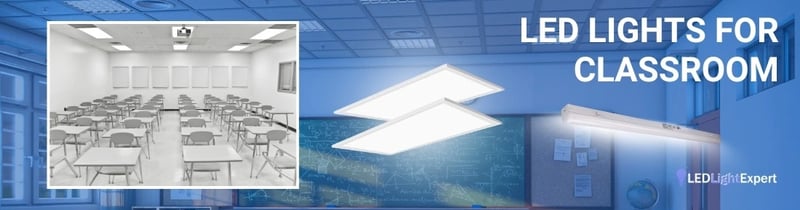
Classroom lighting has to support several tasks in the same room: reading, writing, testing, group work, screen viewing, cleaning, and after-hours use. LED fixtures can improve consistency, reduce maintenance, and add dimming or zone control when selected around the room layout.
The goal is not simply to make the room brighter. Good classroom lighting balances light level, uniformity, glare, color quality, flicker performance, and controls. A room with too much glare or uneven light can be uncomfortable even when the average foot-candle level looks acceptable.
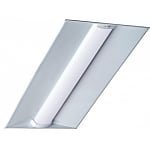
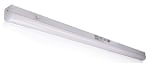
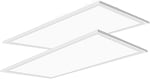
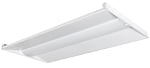
LED troffers and panels are common in drop ceilings because they spread light evenly across desk surfaces. LED T8 tubes can be useful when existing fluorescent fixtures are in good condition, but ballast compatibility and wiring method need to be checked. Surface-mount fixtures and wraparounds are common in rooms without grid ceilings.
Schools commonly look for 4000K or 5000K white light, CRI 80+ or higher, low glare, and drivers that avoid visible flicker. Where students use laptops or interactive displays, dimming and front-of-room zones can reduce screen glare without darkening the entire classroom.
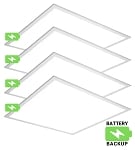
Emergency lighting and egress fixtures support code-required visibility during outages. They cannot confirm evacuation by themselves, but they help maintain required illumination on exit paths when installed and tested correctly. Use qualified electricians for wiring, controls, and emergency systems.
Classroom lighting affects more than visibility. Useful planning guidance focused on concentration, eye comfort, mood, teacher performance, and the ability to move between reading, writing, screens, discussions, and presentations. Flickering fluorescent fixtures, dim corners, uneven light, and harsh glare can cause eye fatigue and headaches. LED classroom lights can reduce those problems when the fixture, driver, optic, layout, and controls are selected for the room.
Uniform illumination is important because students and teachers look across desks, boards, books, tablets, laptops, lab materials, and classroom displays throughout the day. A room can meet an average light level and still feel uncomfortable if the light is patchy or reflective. Look for good distribution, controlled glare, low visible flicker, suitable CRI, and a color temperature that supports alertness without making the room feel harsh. LEDs that mimic a cleaner daylight appearance can support focus, but the full design matters more than a Kelvin number by itself.
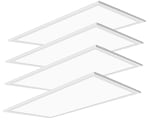
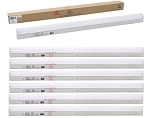
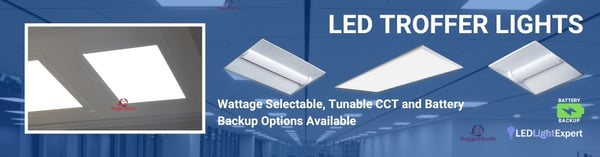
LED panels and troffers are common in grid ceilings because they spread light across the learning area. LED tubes can retrofit existing fluorescent fixtures when the housings, wiring, and ballast or bypass method are suitable. Tunable and dimmable systems give teachers more control for lessons, testing, reading, art, group work, and multimedia. Smart controls, occupancy sensors, and daylight harvesting can reduce energy use, but they have to be commissioned so lights do not shut off while students are still working.
Also compare lower maintenance and operating cost. Schools often have many rooms, long operating hours, and limited maintenance windows, so longer-life LED fixtures can reduce relamping work compared with older fluorescent systems. Energy savings are useful, but the end goal is a comfortable, productive learning space. For classrooms, confirm light levels, emergency lighting, fire and electrical requirements, screen glare, board visibility, and the needs of teachers before finalizing a fixture package.
Educational environments need lighting that supports students and teachers through long periods of concentration. Flicker, glare, dim spaces, and uneven illumination can increase eye strain and discomfort. Better classroom lighting can make reading, writing, presentations, lab work, group discussion, and screen use easier. The strongest classroom design reduces visual stress while keeping the room bright enough for the activity.
Schools also have safety and compliance needs. Emergency lighting must support egress during outages. Fire and electrical requirements have to be followed during installation. IES recommendations, OSHA workplace guidance, local code, maintenance access, low-EMF concerns, and flicker-free drivers may all be part of the review. Energy savings and lower maintenance are useful, but the main purpose is a comfortable learning environment where students can see clearly and teachers can work without unnecessary headaches or eye fatigue.
For educational spaces, the lighting plan should protect students from unnecessary strain while supporting learning activities in modern classrooms. Traditional fluorescent systems can create flicker, shadows, and uneven illumination. LED panels, troffers, tube replacements, and smart controls can reduce those problems when the design is clear and the commissioning is careful.
The practical review is simple: can students read without squinting, can teachers use screens without glare, can emergency paths stay safe, and can schools reduce energy and maintenance costs without making the classroom feel harsh? Those outcomes matter more than a single brightness number.
IES guidance commonly places general classrooms around 30-50 foot-candles, with higher levels for detailed tasks, labs, art rooms, or testing areas. Uniformity and glare control are important because average light level alone does not tell the whole story.
LED classroom lights can reduce energy use, cut maintenance, provide stable color, support dimming, and improve uniformity compared with aging fluorescent systems. Comfortable light can support reading and visual focus, but results depend on the full room design.
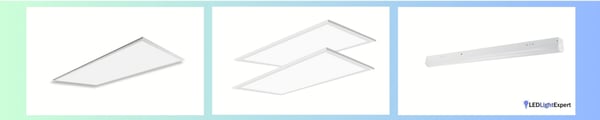
2x4 LED troffers and flat panels are common for drop ceilings. LED tubes can work for retrofits when the existing fixtures are suitable. Surface-mount or pendant fixtures may be better for exposed ceilings or specialty rooms.
Yes. Zone controls can dim the front of the room for screens while maintaining light over desks. Occupancy sensors and daylight controls can also reduce energy use when they are commissioned around how teachers actually use the room.
LED classroom lights can provide low-flicker, high-CRI illumination when specified that way that can support visual comfort when layout, glare, and flicker are controlled. Energy-efficient replacements for fluorescent classroom fixtures with dimming control.
Contact LED Light ExpertCall Now: (800) 674-9420
Dara Greaney is the CEO and President of LEDLightExpert.com, a leading company in commercial lighting solutions. Since 2015, he has led the company to achieve remarkable growth and recognition, including being an Inc5000 winner three times: No. 3783 in 2022, No. 2428 in 2021, and No. 531 in 2020.
Editing by David Peguero.
On orders over $49.00
Up to 7 Years Free Warranty On LED Lights