LED Tunnel Lights

USA Based Experts in less than 60 seconds Call Now: 800-674-9420
On orders over $49.00
Up to 7 Years Free Warranty On LED Lights

Tunnel lighting is different from general outdoor lighting because drivers and pedestrians move between daylight and enclosed space. The entrance, transition, interior, and exit zones may require different light levels so eyes can adapt safely. LED fixtures make adaptive control easier because they dim well, start instantly, and can be aimed with precise optics.
Selection should consider tunnel length, speed, traffic type, surface reflectance, mounting height, cleaning access, vibration, moisture, dust, and power availability. A roadway tunnel has different needs than a pedestrian underpass, rail tunnel, or maintenance corridor.
Look beyond wattage. Beam pattern, fixture spacing, glare control, IP rating, corrosion resistance, surge protection, and driver quality all affect long-term performance. Dimming tied to exterior daylight sensors can reduce energy use while maintaining higher entrance-zone light during bright daytime conditions.
Tunnels can expose fixtures to vibration, pressure washing, exhaust, dust, salt, humidity, and long operating hours. Use fixtures with suitable ingress protection, impact resistance, thermal management, and accessible service parts. Many commercial LED tunnel fixtures are rated for long service life, but the exact life depends on product design, heat, drive current, cleaning, and operating conditions.
Because fixture access may require lane closures or lift equipment, a reliable design can reduce maintenance cost and disruption. Confirm replacement drivers, mounting hardware, surge protection, and control compatibility before finalizing the package.
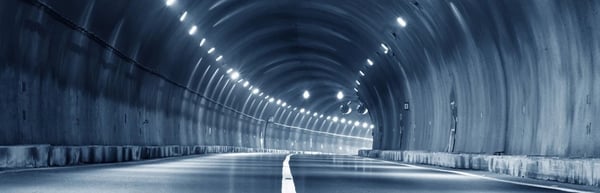
Tunnel lighting plans need useful coverage of safety, visibility, energy use, maintenance, and fixture types. LED tunnel lights are used in highway tunnels, roadway tunnels, pedestrian tunnels, bicycle tunnels, subway tunnels, rail tunnels, utility tunnels, maintenance tunnels, underpasses, and overpass areas. These environments need consistent illumination, reduced glare, and dependable operation because poor lighting can create dark zones, eye strain, and unsafe transitions between daylight and enclosed space.
LED fixtures are helpful in tunnels because they can provide instant on/off operation, adaptive dimming, directional optics, and long service life. In long tunnels that stay lit 24 hours a day, lower energy consumption can matter a great deal. Some projects target energy reductions up to 70 percent compared with some HID or fluorescent systems, and fixture life often discussed around 50,000 to 100,000 hours. Actual savings and life depend on product design, drive current, heat, controls, cleaning, and operating hours.
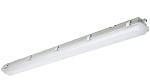
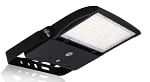
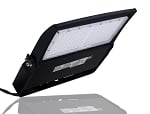
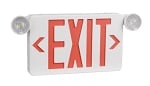
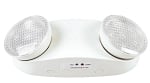
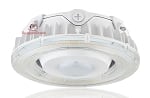
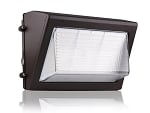
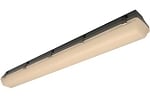
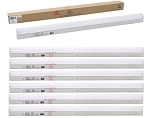
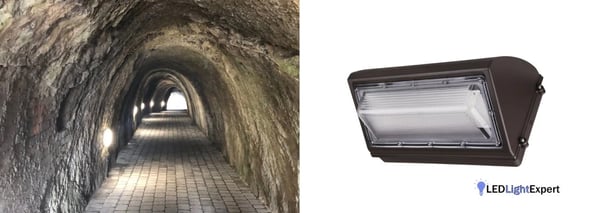
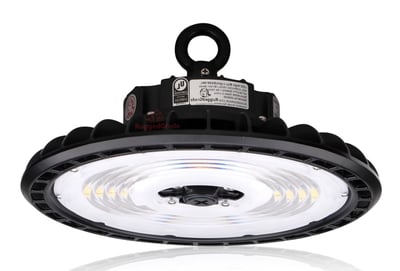
Common tunnel-light styles include linear tunnel lights for long, uniform runs; flood-type tunnel lights for entrances, exits, and wider zones; recessed fixtures; surface-mounted fixtures; explosion-proof or IP-rated fixtures for harsh environments; wall lights for vertical illumination; vapor-tight fixtures where moisture and dust are present; and emergency exit sign lights for evacuation routes. The correct choice depends on tunnel geometry, installation access, beam angle, maintenance access, and exposure to vibration, dirt, moisture, salt, or chemical conditions.
For design, review required brightness, uniformity, ingress protection, color temperature, photometric planning, smart controls, daylight-based dimming, surge protection, corrosion-resistant housings, and local roadway guidance. Many tunnels use 4000K to 5000K because the white light helps visibility and color rendering. Projects may need to reference Illuminating Engineering Society guidance, Department of Transportation requirements, or local authority standards before finalizing fixtures.
Safety is the central purpose of tunnel illumination. LED tunnel lights can improve visibility for drivers, pedestrians, cyclists, operators, and maintenance crews by reducing shadows, dark spots, glare, and sudden brightness changes. Entrance and exit transitions are especially important because the eye adjusts between exterior daylight and the tunnel interior. A consistent, well-planned lighting system helps users see pavement, walls, signs, other vehicles, and potential hazards.
Useful planning guidance also covered operating cost and maintenance. Tunnel lights often run for extended operational hours, and some remain lit continuously. LEDs can reduce electricity use, support dimming, and cut maintenance visits compared with older HID or fluorescent tunnel lighting. Fewer replacements matter because tunnel maintenance can require closures, lane reductions, lift equipment, and traffic planning. Fixtures should withstand vibration from traffic, dirt, moisture, pressure washing, temperature extremes, and harsh environmental conditions.
Applications include highway and roadway tunnels, pedestrian and bicycle tunnels, subway and rail tunnels, utility and maintenance tunnels, underpasses, and overpass lighting. Each application has different speed, traffic, geometry, access, and safety needs. Highway tunnels need smooth driver adaptation and low glare. Pedestrian tunnels need security and comfort. Rail tunnels need clear operator and maintenance visibility. Utility tunnels need durable, IP-rated fixtures for safe access.
LED tunnel lights are fixtures designed for enclosed or partially enclosed passages such as roadway tunnels, underpasses, pedestrian tunnels, rail tunnels, and utility corridors. They provide uniform light while handling moisture, vibration, dust, and long operating hours.
Tunnel lighting must manage visual adaptation between bright daylight and the tunnel interior. Entrance, transition, interior, and exit zones may need different light levels, and daylight-based dimming can adjust output as exterior conditions change.
Requirements depend on tunnel length, speed, traffic, geometry, surface reflectance, and applicable roadway guidance such as CIE or IES recommendations. Entrance zones may need much higher daytime light levels than the interior zone.
Many commercial LED tunnel fixtures are designed for long service life, often tens of thousands of hours. Actual life depends on heat, driver quality, operating hours, cleaning, and environment, so product ratings and maintenance plans should be reviewed together.
LED tunnel lights from LED Light Expert provide IP66+ rated fixtures with dimming control for threshold, transition, and interior lighting zones. Long service life can reduce maintenance when the fixture is matched to the tunnel environment.
Contact LED Light ExpertCall Now: (800) 674-9420
Dara Greaney is the CEO and President of LEDLightExpert.com, a leading company in commercial lighting solutions. Since 2015, he has led the company to achieve remarkable growth and recognition, including being an Inc5000 winner three times: No. 3783 in 2022, No. 2428 in 2021, and No. 531 in 2020.
Editing by David Peguero.
On orders over $49.00
Up to 7 Years Free Warranty On LED Lights