Healthcare Lighting

USA Based Experts in less than 60 seconds Call Now: 800-674-9420
On orders over $49.00
Up to 7 Years Free Warranty On LED Lights

Healthcare lighting affects how clinicians see patients, how staff move through the building, and how comfortable a room feels to patients and visitors. A good design separates clinical task lighting from general ambient lighting, then matches fixture type, lens, control method, and color quality to each area.
Hospitals and clinics often need cleanable surfaces, sealed or gasketed fixtures, low glare, reliable dimming, emergency lighting, and lighting levels that align with IES guidance and facility standards. Exam rooms, labs, patient rooms, corridors, nurses stations, and surgical support areas should not all use the same fixture strategy.
Color rendering is important because skin tone, tissue color, labels, and instruments must be seen accurately. Many healthcare spaces use CRI 80+ as a baseline, while exam and procedure areas may call for CRI 90+ depending on the task. Flicker control matters for comfort and for spaces where cameras or diagnostic equipment are used.
Controls can reduce energy use without disrupting care. Occupancy sensors, daylight harvesting, dimming, and zoned switching should be planned around staff workflow and patient needs. Emergency and egress lighting must meet code and be tested on schedule.
Maintenance matters because healthcare spaces cannot tolerate frequent fixture failures or hard-to-clean housings. Choose durable LED fixtures with appropriate ratings, accessible replacement parts, and documentation that helps facilities teams maintain consistent lighting over time.
Healthcare lighting is not one fixture type. It supports hospitals, clinics, laboratories, long-term care centers, surgical suites, operating rooms, patient rooms, diagnostic and examination areas, emergency and critical care areas, hallways, cafeteria spaces, and common areas. Each space has different needs for visibility, patient comfort, cleaning, wayfinding, and staff workflow.
Enhanced visibility is central to patient care. Clinicians need clear views of medical instruments, patient charts, skin tone, tissue color, labels, supplies, and the overall condition of patients. LED lighting with good color rendering and controlled glare can improve visual acuity for healthcare professionals during examinations and procedures. In spaces where natural daylight is limited, adjustable color temperature and intensity can help support comfort without replacing clinical task-light requirements.
Patient rooms and care areas need a balance between task light and a calming environment. Uniform illumination can reduce harsh shadows while still giving staff enough light for care. Dimmable fixtures help patients, visitors, and nurses use different light levels for reading, night observation, treatment, and rest. In hallways, motion-sensor-enabled lighting can support safe navigation while conserving energy during low-traffic periods.
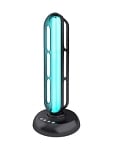
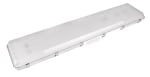
Healthcare facilities also need cleanable construction. Depending on the room, that may mean sealed lenses, gasketed housings, vapor-tight fixtures, cleanroom-rated lights, antimicrobial-compatible surfaces, and documentation for maintenance teams. Energy efficiency is useful, but it cannot override infection control, emergency lighting, flicker control, backup requirements, or local healthcare facility standards.

Use this checklist by area. Surgical suites and operating rooms need focused, shadow-controlled illumination so surgeons can perform intricate procedures with less eye strain. Patient rooms and patient care areas need layered lighting for comfort, staff tasks, night observation, and recovery. Diagnostic and examination areas need accurate color rendering, adjustable intensity, and clear visibility for assessments. Emergency and critical care areas need bright, dependable lighting, clear path lighting, and fast visual identification of supplies and equipment.
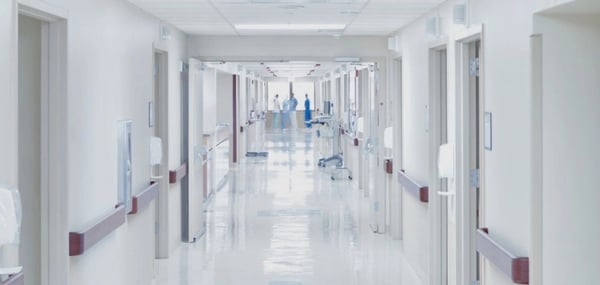
Lighting also affects healthcare operations outside the procedure room. Hallways need safe navigation for patients, staff, visitors, beds, and carts. Cafeteria and common areas need comfortable lighting that supports mood and wayfinding. Laboratories and clean areas need appropriate lenses, sealing, cleanability, and listings. Across the facility, LED lighting should support patient well-being, visual acuity for healthcare professionals, infection control, energy efficiency, maintenance planning, and safe working conditions.
Good healthcare lighting reduces the risk of errors by improving visibility and precision. It can support circadian comfort when color temperature and intensity are controlled thoughtfully. It can also reduce maintenance costs with long-life fixtures, but the fixture still has to meet the healthcare environment. The most important decision is not simply whether the product is LED. It is whether the healthcare lighting design fits the medical task, the patient healing environment, and the facility standard.
Requirements vary by room type and task. Healthcare projects commonly reference IES recommendations, local code, facility standards, and accreditation requirements. General patient areas, corridors, exam rooms, labs, and procedure spaces each need different light levels and controls.
Color rendering helps clinicians see skin tone, tissue color, labels, supplies, and instruments accurately. Many medical spaces use CRI 80+ as a baseline, while exam and procedure areas may require higher color quality.
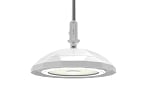
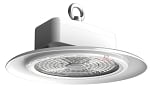
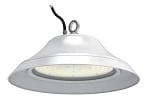
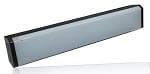
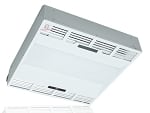
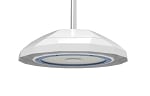
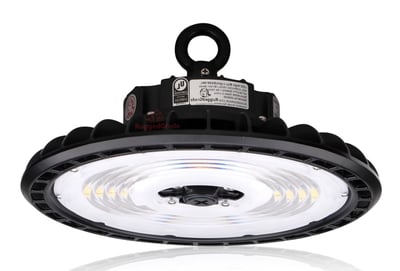
Common healthcare fixtures include LED panels, troffers, sealed ceiling fixtures, vapor-tight fixtures, exam lights, wall-mounted patient room lights, step lights, emergency fixtures, and cleanroom-rated lights where needed.
Low-flicker or flicker-free performance is important for visual comfort and for spaces using cameras, diagnostic equipment, or long-duration task work. Confirm driver quality and dimming compatibility before ordering.
Match fixtures to the clinical task, cleanability needs, controls, emergency lighting, flicker performance, and facility standards for each room.
Call Now: (800) 674-9420
Dara Greaney is the CEO and President of LEDLightExpert.com, a leading company in commercial lighting solutions. Since 2015, he has led the company to achieve remarkable growth and recognition, including being an Inc5000 winner three times: No. 3783 in 2022, No. 2428 in 2021, and No. 531 in 2020.
Editing by David Peguero.
On orders over $49.00
Up to 7 Years Free Warranty On LED Lights