

Quick Answer
A flood light is a fixture designed to spread light over a targeted area with a selected beam angle and mounting method.
LED Flood Lights Guide
LED flood lights are useful when a broad or targeted beam is needed for yards, signs, facades, lots, loading areas, and security zones. The right choice depends on beam angle, lumens, mounting, glare, wet-location rating, controls, and aiming.
What to Check First
- Choose beam angle and output for the target area.
- Check yoke, knuckle, slip-fitter, or trunnion mounting before ordering.
- Use shielding, warm CCT where appropriate, and controls to reduce nuisance light.
Application Decision Table
| Use Case | Practical Guidance |
|---|---|
| Wide area | Use wider distribution and careful mounting height. |
| Sign or facade | Use tighter beams and precise aiming. |
| Security zone | Avoid glare that blinds cameras or users. |
Common Mistakes to Avoid
- Buying by wattage, product name, or old fixture type without checking delivered light and layout.
- Skipping controls, environmental ratings, code requirements, or final commissioning.
- Ignoring glare, maintenance access, documentation, and replacement availability.
What Flood Lights Are Used For
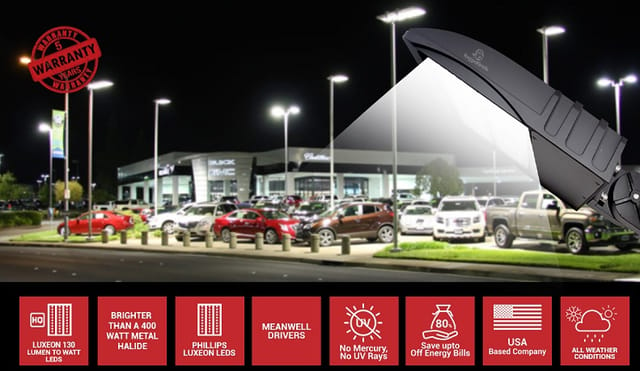
Flood lights create broad, aimed illumination for areas such as yards, parking lots, loading docks, signs, building facades, sports practice areas, and security zones. Coverage depends on lumens, beam angle, mounting height, aiming, surface reflectance, and how much glare or spill light is acceptable.
| Coverage question | Practical answer |
|---|---|
| How many lumens do I need? | Start with area size, distance, and task. A small doorway and a large parking area need very different outputs. |
| What beam angle? | Narrow beams throw farther; wide beams cover nearby areas and reduce hot spots. |
| How high should it mount? | Higher mounting can cover more area but needs the right optics and aiming to avoid glare. |
| What controls? | Photocells, timers, motion sensors, and dimming can reduce wasted run time. |
More Details to Consider
LED flood lights are aimed fixtures that spread light over a selected area. They are used for yards, driveways, signs, building facades, loading docks, parking edges, and security zones. The right model depends on how far the light must travel, how wide the coverage should be, and how much glare or spill light the site can tolerate.
Start with lumens, beam angle, and mounting. A narrow beam can throw light farther, while a wide beam covers nearby areas with fewer hot spots. Yoke, trunnion, knuckle, slip-fitter, wall, and pole mounts all change how the fixture can be aimed and serviced.
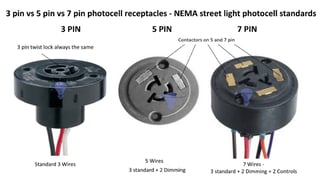
Controls make flood lights more useful. Photocells handle dusk-to-dawn operation, timers limit run hours, motion sensors activate light when activity is present, and dimming can reduce output during low-use periods.
For outdoor use, check wet-location rating, gasket design, corrosion exposure, voltage, surge protection, and aiming. A flood light should improve visibility without shining directly into eyes, cameras, roads, or neighboring windows.
Frequently Asked Questions
- What is a flood light?
- A flood light is a fixture designed to spread light over a targeted area with a selected beam angle and mounting method.
- How many lumens do flood lights need?
- It depends on area size, mounting height, beam angle, surface reflectance, and target light level.
- What mounting option should I use?
- Choose yoke, knuckle, trunnion, slip fitter, or wall mount based on aiming, surface, wiring, and wind exposure.
- How do I reduce flood light glare?
- Use shielding, correct aiming, lower output, warmer CCT where appropriate, and controls.

Ready to Upgrade Your LED Lighting?
Our lighting specialists can help compare options, confirm light levels, and quote the right products for your project.
Call 800-674-9420 or email [email protected]
Monday-Friday, 8am-5pm PST

About the Author
Dara Greaney is founder and CEO of LED Light Expert with deep expertise in commercial LED lighting, retrofits, and photometric planning.
Editing by David Peguero

Trusted by Thousands
Our customers love us — and we love them back.


-
 Free Shipping
On orders over $49.00
-
 Free Extended Warranty
Up to 7 Years Free Warranty On LED Lights
-
100% Satisfaction Guarantee
