

Quick Answer
They can be, especially when they reduce energy use and replacement waste, but controls, disposal, and outdoor spill still matter.
Environmental Benefits of LED Bulbs
LED bulbs can reduce electricity use and replacement waste compared with many older lamps, and they avoid mercury found in fluorescent lamps. Environmental benefit still depends on product quality, controls, run time, disposal, and responsible outdoor lighting.
What to Check First
- Choose efficient products that match the fixture and task.
- Use controls so lights are not on when they are not needed.
- Recycle or dispose of old lamps, ballasts, batteries, and electronics according to local rules.
Application Decision Table
| Use Case | Practical Guidance |
|---|---|
| Energy use | Lower wattage for the same useful light can reduce electricity demand. |
| Lamp disposal | LEDs avoid mercury in fluorescent lamps, but electronics still need responsible end-of-life handling. |
| Outdoor lighting | Shielding, warm CCT, and controls reduce unnecessary light at night. |
Common Mistakes to Avoid
- Calling any LED installation automatically green.
- Leaving lights on longer because they are efficient.
- Ignoring glare, uplight, and end-of-life disposal.
Environmental Benefits, Without Overclaiming
LED lighting can reduce environmental impact mainly by using fewer watts for the same useful light and by lasting longer in the right fixture. It also avoids the mercury handling associated with fluorescent and CFL lamps. Those benefits depend on product quality, correct sizing, controls, and responsible disposal or recycling at end of life.
| Environmental factor | How LED can help | What to watch |
|---|---|---|
| Energy use | Lower watts reduce operating electricity. | Do not overlight the space or leave controls out. |
| Maintenance | Longer intervals mean fewer replacement trips and lamps. | Heat and poor drivers can shorten life. |
| Hazardous materials | LEDs do not use mercury as the light source. | Recycle electronics and drivers according to local rules. |
| Light pollution | Better optics and controls can reduce spill and uplight. | Poor aiming or too much output can still create glare. |
More Details to Consider
The environmental value of LED lighting usually starts with energy use. A properly sized LED product can deliver the required light with fewer watts than many older incandescent, CFL, fluorescent, metal halide, or high-pressure sodium options. Lower wattage can reduce utility demand and related emissions, especially on long-hour commercial sites.
Longer service life can also reduce replacement cycles. That means fewer lamp changes, fewer lift visits, and less waste when the product is correctly specified for heat, moisture, voltage, and controls. LEDs are not maintenance-free, but good products can reduce routine relamping compared with older lamp-and-ballast systems.
LEDs also avoid mercury vapor used in fluorescent and CFL lamps. Old lamps, ballasts, and electronic components should still be recycled or disposed of according to local rules. Responsible lighting is not only about the fixture; it also includes right-sizing output, using controls, avoiding overlighting, and reducing spill light.
For parking lots, warehouses, exterior walls, and other commercial sites, the cleanest result comes from a layout that uses the right amount of light, the right optics, and controls that keep lights from running when they are not needed.
Frequently Asked Questions
- Are LED bulbs better for the environment?
- They can be, especially when they reduce energy use and replacement waste, but controls, disposal, and outdoor spill still matter.
- Do controls matter?
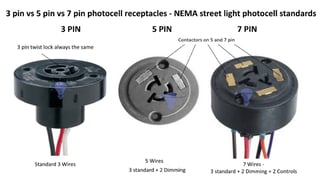
- Yes. Dimmers, sensors, timers, photocells, and schedules can change the value and performance of an LED project.
- What should I check before ordering?
- Check lumens, voltage, rating, mounting, controls, CCT, CRI, warranty, and installation requirements.
- When should I ask for help?
- Ask for help when wiring, photometrics, rebates, mounting, code, glare, or fixture compatibility matters.

Ready to Upgrade Your LED Lighting?
Our lighting specialists can help compare options, confirm light levels, and quote products that fit the site.
Call 800-674-9420 or email [email protected]
Monday-Friday, 8am-5pm PST

About the Author
Dara Greaney is founder and CEO of LED Light Expert with deep expertise in commercial LED lighting, retrofits, and photometric planning.
Editing by David Peguero
Tagged Products

Trusted by Thousands
Our customers love us — and we love them back.


-
 Free Shipping
On orders over $49.00
-
 Free Extended Warranty
Up to 7 Years Free Warranty On LED Lights
-
100% Satisfaction Guarantee
