


Quick Answer
LED retrofit kits can upgrade an existing fixture when the housing, mounting, lens, gasket, and wiring are still worth keeping.
LED Retrofit Kits for Existing Fixtures
LED retrofit kits can upgrade an existing fixture when the housing, mounting, lens, gasket, and wiring are still worth keeping. They are common in canopies, parking garages, wall packs, high bays, and area lights, but the kit must match the fixture and application.
What to Check First
- Inspect the existing housing, lens, gasket, socket, ballast, wiring, and mounting.
- Confirm voltage, driver location, heat, optics, listing, controls, and service access.
- Use new fixtures when the old housing is damaged, poorly sealed, or optically wrong.
Application Decision Table
| Use Case | Practical Guidance |
|---|---|
| Canopy retrofit | Works when the housing is sound and the kit fits the thermal and optical needs. |
| Parking garage retrofit | Check glare, vandal resistance, occupancy controls, and low ceilings. |
| Area or high bay retrofit | Photometrics matter because lamp position changes the distribution. |
Common Mistakes to Avoid
- Keeping a failing housing just to avoid fixture replacement.
- Bypassing wiring without following the product instructions.
- Assuming a retrofit kit will preserve the old beam pattern.
When a Retrofit Kit Makes Sense
An LED retrofit kit is best when the existing fixture housing, mounting, and location are still useful, but the lamp, ballast, reflector, or light engine needs to be replaced. If the old housing has bad gaskets, corroded sockets, poor lenses, or poor optics, a complete fixture replacement may be the better long-term choice.
| Check | Why it matters |
|---|---|
| Physical fit | The kit must mount securely and leave room for heat management. |
| Wiring | Ballasts may need to be removed or bypassed according to the kit instructions. |
| Optics | A retrofit should put light where the task needs it, not only increase lumens. |
More Details to Consider
LED retrofit kits upgrade an existing fixture by replacing outdated lamps, ballasts, or light engines with LED components. They can be a good choice when the housing, mounting location, wiring path, and physical condition of the old fixture are still useful.
A retrofit kit is different from a simple bulb swap. A kit may include an LED board or module, driver, lens, brackets, wiring, and labels. That makes fit, thermal management, electrical listing, and installation instructions important. The installer should confirm whether a ballast bypass, driver location, or new safety label is required.
Retrofit kits can reduce waste and labor, but they are not always better than a new fixture. If the old housing leaks, traps heat, has a yellowed lens, poor optics, corrosion, or a bad gasket, full replacement may give better performance and lower long-term maintenance.
Before buying, compare the retrofit kit with a full fixture replacement using total cost, light output, beam pattern, controls, warranty support, and service access. The right answer depends on the site, not the word retrofit.
Frequently Asked Questions
- What is the main point of LED Retrofit Kits for Existing Fixtures?
- LED retrofit kits can upgrade an existing fixture when the housing, mounting, lens, gasket, and wiring are still worth keeping.
- What should I check first?
- Inspect the existing housing, lens, gasket, socket, ballast, wiring, and mounting.
- Do controls matter?
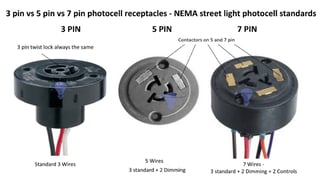
- Yes. Dimming, timers, sensors, photocells, and schedules can change both performance and operating cost.
- When should I ask for help?
- Ask for help when wiring, photometrics, mounting, glare, safety listing, or product compatibility affects the project.

Ready to Upgrade Your LED Lighting?
Our lighting specialists can help compare options, confirm light levels, and quote products that fit the site.
Call 800-674-9420 or email [email protected]
Monday-Friday, 8am-5pm PST

About the Author
Dara Greaney is founder and CEO of LED Light Expert with deep expertise in commercial LED lighting, retrofits, and photometric planning.
Editing by David Peguero
Tagged Products

Trusted by Thousands
Our customers love us — and we love them back.


-
 Free Shipping
On orders over $49.00
-
 Free Extended Warranty
Up to 7 Years Free Warranty On LED Lights
-
100% Satisfaction Guarantee
