

Quick Answer
Lighting can support visibility and comfort for night-shift work, but it should not be promised to keep employees productive or solve sleep issues.
Night Shift Lighting for Visibility and Comfort
Lighting can support visibility and comfort for night-shift work, but it should not be promised to keep employees productive or solve sleep issues. Good planning reduces glare, shadows, flicker, and poorly timed brightness.
What to Check First
- Set light levels by task, hazard, and inspection needs.
- Use CCT, dimming, and controls carefully so work areas are visible without harsh glare.
- Give break rooms, corridors, and transition areas their own lighting approach.
Application Decision Table
| Use Case | Practical Guidance |
|---|---|
| Production floor | Uniform task light and low glare matter. |
| Break room | Softer light may help the space feel less harsh. |
| Exterior transition | Avoid sudden contrast between bright interiors and dark outdoors. |
Common Mistakes to Avoid
- Promising productivity outcomes from lighting alone.
- Using very cool bright light everywhere all night.
- Ignoring flicker, glare, shadows, and shift-worker feedback.
Night Shift Lighting Should Balance Alertness and Recovery
Light affects alertness and circadian timing, so night-shift lighting should be planned carefully. Bright, even work-area lighting can support visibility during the shift, while lower-glare and warmer transition areas may help employees wind down after work. This is workplace comfort guidance, not medical advice.
| Area | Lighting approach |
|---|---|
| Active work zones | Provide enough light for safety, inspection, and task visibility without harsh glare. |
| Break rooms | Use dimming or warmer options where recovery and comfort matter. |
| End-of-shift paths | Avoid unnecessary glare that makes the transition to sleep harder. |
Frequently Asked Questions
- What is the main point of night-shift lighting?
- Lighting can support visibility and comfort for night-shift work, but it should not be promised to keep employees productive or solve sleep issues.
- What should I check first?
- Set light levels by task, hazard, and inspection needs.
- Do controls matter?
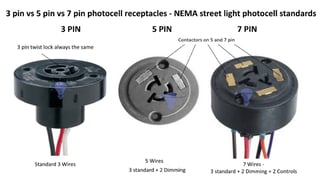
- Yes. Sensors, timers, dimmers, photocells, and schedules often determine how well the lighting works in daily use.
- When should I ask for help?
- Ask for help when layout, glare, wiring, controls, code, safety, or product compatibility is uncertain.
More Details to Consider
Night-shift lighting should help people see work clearly without making the entire building harsh all night. Good design separates active work zones, inspection areas, aisles, break rooms, corridors, and exterior transition areas instead of using one brightness and color temperature everywhere.
Active work areas need enough light for the task, good uniformity, low glare, and stable output. Inspection and detailed work may need higher light levels or better color rendering. Break rooms and end-of-shift paths may be more comfortable with warmer or dimmer light.
Controls are useful because night work changes by schedule and occupancy. Dimming, sensors, scenes, and timed schedules can keep work zones visible while reducing wasted light in empty areas.
Lighting can support alertness and comfort, but it should not be sold as a cure for sleep problems or an automatic productivity tool. Employers should also consider breaks, task design, worker feedback, safety procedures, and qualified guidance for health concerns.

Ready to Upgrade Your LED Lighting?
Our lighting specialists can help compare options, confirm light levels, and quote products that fit the site.
Call 800-674-9420 or email [email protected]
Monday-Friday, 8am-5pm PST

About the Author
Dara Greaney is founder and CEO of LED Light Expert with deep expertise in commercial LED lighting, retrofits, and photometric planning.
Editing by David Peguero

Trusted by Thousands
Our customers love us — and we love them back.


-
 Free Shipping
On orders over $49.00
-
 Free Extended Warranty
Up to 7 Years Free Warranty On LED Lights
-
100% Satisfaction Guarantee
