


Quick Answer
Avoid buying by wattage, ignoring fixture ratings, skipping controls compatibility, and overlooking voltage, mounting, and glare.
Mistakes to Avoid When Upgrading Lights
Lighting upgrades go wrong when the new product is chosen before the site is understood. The right process checks the old fixture, task, voltage, controls, mounting, environment, and user complaints before choosing a replacement.
What to Check First
- Confirm base, voltage, mounting, fixture rating, and controls compatibility.
- Choose lumens, beam angle, CCT, and CRI by task and room.
- Use qualified electrical work where wiring, ballast bypass, or fixture replacement is involved.
Application Decision Table
| Use Case | Practical Guidance |
|---|---|
| Wrong base or shape | The lamp may not fit, cool properly, or aim light correctly. |
| Wrong brightness | Too much light can create glare; too little leaves the problem unsolved. |
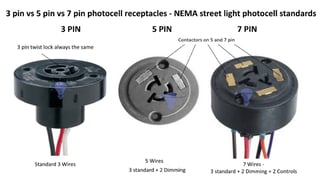
| Wrong controls | Incompatible dimmers, sensors, or photocells can cause flicker or cycling. |
Common Mistakes to Avoid
- Matching old wattage instead of delivered lumens.
- Ignoring enclosed-fixture, wet-location, or IC ratings.
- Using the wrong bracket or mount for fixture weight and wind exposure.
Upgrade Mistakes That Create Real Problems
| Mistake | Why it hurts | Better approach |
|---|---|---|
| Buying by old wattage only | LED output depends on lumens, optics, and mounting conditions. | Compare delivered light and use a layout for larger spaces. |
| Ignoring glare | A brighter fixture can make visibility worse if it shines into eyes. | Check lens, shielding, mounting height, CCT, and aiming. |
| Skipping controls compatibility | Wrong dimmers, photocells, or sensors can cause flicker or cycling. | Match drivers, dimmers, sensors, and voltage before ordering. |
| Reusing bad fixtures | Old sockets, gaskets, reflectors, or lenses can ruin a retrofit. | Replace the full fixture when the housing is part of the problem. |
| Forgetting surge and environment | Outdoor and industrial fixtures face heat, water, dust, and power events. | Check IP/wet rating, temperature rating, and surge protection. |
More Details to Consider
Mistakes to Avoid When Upgrading To Newer Lights. If you are thinking about upgrading your lighting to LED light bulbs or LED light fixtures, you should be aware of some common mistakes that people make when they switch from other types of lights. LED light bulbs have many advantages, such as energy efficiency, durability, and environmental friendliness, but they also have some differences and challenges that you need to consider. Here are some mistakes to avoid when upgrading to newer lights: Choosing LED bulbs with the wrong base or shape.
LED bulbs come in different shapes and sizes, and they have different bases that fit into different sockets. For example, household bulbs usually have an E26 base, while high bay or street lights may have an E39 base. You need to make sure that the LED bulb you buy has the same base and shape as the bulb you are replacing, otherwise it may not fit or work properly.
The best way to avoid this mistake is to check the specifications of your existing bulb and compare them with the LED bulb you want to buy. You can also buy a sample first and test it before buying in bulk. Choosing lights that are too bright or not bright enough. LED bulbs are brighter per watt than incandescent or fluorescent bulbs, which means that they produce more light with less energy. However, this also means that you cannot simply match the wattage of your old bulb with the wattage of the LED bulb.
You need to look at the lumen output, which is the measure of how much light a bulb produces. If you choose an LED bulb with a higher lumen output than your old bulb, you may end up with a light that is too bright and harsh for your space. If you choose an LED bulb with a lower lumen output than your old bulb, you may end up with a light that is too dim and dull for your space.
To avoid this mistake, you need to choose an LED bulb with a similar lumen output as your old bulb, or adjust it according to your preference and need. You can also use a dimmer switch to control the brightness level of your LED bulb, but make sure that the bulb is dimmable and compatible with your dimmer.
Choosing lights that are too cold or too warm in color temperature Color temperature is the measure of how warm or cool a light appears, and it is measured in kelvins (K). Lower kelvins mean warmer colors, such as yellow or orange, while higher kelvins mean cooler colors, such as blue or white. Different color temperatures suit different applications and preferences. For example, warm colors are cozy and relaxing, while cool colors are clear and bright.
If you choose an LED bulb with a different color temperature than your old bulb, you may change the mood and appearance of your space. For example, if you replace a halogen bulb (3200 K) with an LED canopy light (5000 K), your space may look chilly and sterile. To avoid this mistake, you need to choose an LED bulb with a similar color temperature as your old bulb, or adjust it according to your preference and need.
You can also use a tunable or kelvin selectable LED bulb, which allows you to change the color temperature right on the fixture. Compatibility of the lights with your fixtures and dimmers. LED bulbs have different characteristics and requirements than other types of bulbs, and they may not work well with some fixtures and dimmers that are designed for other types of bulbs. For example, some LED bulbs may not fit into some recessed or enclosed fixtures because they are too large or have heat dissipation issues.
Some LED bulbs may not dim smoothly on some dimmers that are designed for incandescent or halogen bulbs because they have different voltage and current needs. To avoid this mistake, you need to check the compatibility of your LED bulb with your fixture and dimmer before buying it. You can look at the specifications of your fixture and dimmer and compare them with the specifications of your LED bulb. You can also look for labels or certifications that indicate compatibility, such as UL Listed or DLC Listed.
Another mistake that people make when upgrading to newer lights is using light fixtures that have a different voltage than their power supply. For example, some light fixtures may have a 120-volt AC input, while some power supplies may have a 240-volt AC output. If you use a light fixture that has a lower voltage than your power supply, you may damage the fixture or cause a fire hazard. If you use a light fixture that has a higher voltage than your power supply, you may not get enough light output or cause flickering issues.
To avoid this mistake, you need to match the voltage of your light fixture with the voltage of your power supply. You can look at the labels or markings on your light fixture and power supply to find out their voltage ratings. You can also use a voltage converter or transformer to adjust the voltage of your power supply to match the voltage of your light fixture. Finally, another mistake that people make when upgrading to newer lights is using the wrong mount bracket for their light fixture.
A mount bracket is a device that attaches the light fixture to the ceiling, wall, or pole. Different light fixtures may have different mount brackets that suit their shape, size, and weight. For example, an LED shoebox light may have a slip fitter mount bracket, while a LED wall pack light may have a direct wall bracket such as a junction box knockout. If you use the wrong mount bracket for your light fixture, you may not be able to install it properly or securely.
This may cause the light fixture to fall off or break, which can be dangerous and costly. To avoid this mistake, you need to use the right mount bracket for your light fixture. You can look at the instructions or specifications of your light fixture and find out what type of mount bracket it needs. You can also buy a compatible mount bracket from the same manufacturer or supplier of your light fixture. By avoiding these mistakes, you can upgrade to newer lights successfully and enjoy the benefits of LED lighting.
LED lighting can save you energy, money, and time, as well as improve the quality and comfort of your lighting. However, you need to be careful and informed when you switch from other types of lights to LED lights, as they have some differences and challenges that you need to consider. By following these tips and guidelines, you can avoid common mistakes and make the best choice for your lighting needs.
Frequently Asked Questions
- What mistakes should I avoid when upgrading lights?
- Avoid buying by wattage, ignoring fixture ratings, skipping controls compatibility, and overlooking voltage, mounting, and glare.
- Do controls matter?
- Yes. Dimmers, sensors, timers, photocells, and schedules can change the value and performance of an LED project.
- What should I check before ordering?
- Check lumens, voltage, rating, mounting, controls, CCT, CRI, warranty, and installation requirements.
- When should I ask for help?
- Ask for help when wiring, photometrics, rebates, mounting, code, glare, or fixture compatibility matters.

Ready to Upgrade Your LED Lighting?
Our lighting specialists can help compare options, confirm light levels, and quote products that fit the site.
Call 800-674-9420 or email [email protected]
Monday-Friday, 8am-5pm PST

About the Author
Dara Greaney is founder and CEO of LED Light Expert with deep expertise in commercial LED lighting, retrofits, and photometric planning.
Editing by David Peguero

Trusted by Thousands
Our customers love us — and we love them back.


-
 Free Shipping
On orders over $49.00
-
 Free Extended Warranty
Up to 7 Years Free Warranty On LED Lights
-
100% Satisfaction Guarantee
