

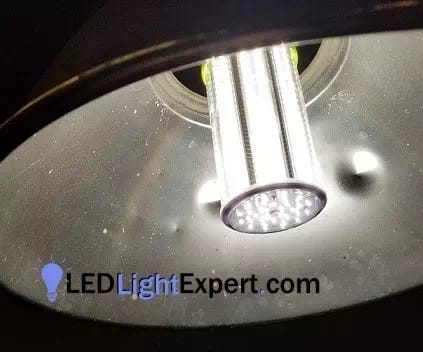
Quick Answer
It means upgrading an existing lighting system while reusing some of the fixture, mounting, wiring, or infrastructure.
What Retrofit Lighting Means
A lighting retrofit upgrades an existing fixture or system while reusing some of the installed infrastructure. It can involve LED lamps, retrofit kits, new drivers, new controls, or full fixture replacement when the old housing is not worth keeping.
What to Check First
- Inspect housings, sockets, lenses, gaskets, wiring, mounting, and heat damage.
- Compare retrofit lamps, retrofit kits, and new fixtures by light output, optics, labor, safety, and maintenance.
- Confirm voltage, ballast bypass, controls, listing, and utility rules before ordering.
Application Decision Table
| Use Case | Practical Guidance |
|---|---|
| Lamp retrofit | Useful when the fixture is sound and the lamp is listed for the application. |
| Retrofit kit | Good when the housing is useful but the optical or electrical system needs a new LED engine. |
| New fixture | Often better when the old housing, lens, wiring, gasket, or reflector is failing. |
Common Mistakes to Avoid
- Keeping damaged housings just to reduce the first invoice.
- Treating simple return estimates as fixed project outcomes.
- Skipping photometrics after changing optics or lamp position.
What Retrofit Means in Lighting
A lighting retrofit upgrades an existing lighting system without rebuilding the entire site. It can be as simple as replacing a lamp, or as involved as removing ballasts, adding LED retrofit kits, changing drivers, adding controls, or replacing complete fixtures while using existing poles, housings, or mounting locations.
| Retrofit type | Best use | Watch-outs |
|---|---|---|
| LED lamp retrofit | When the existing fixture is sound and the lamp fits the socket and thermal space. | Ballast compatibility, bypass wiring, orientation, heat, and enclosed rating. |
| LED retrofit kit | When the housing is worth keeping but optics, driver, or light engine need updating. | Listing, wiring, mounting, lens condition, and labor time. |
| Complete fixture replacement | When the old fixture, lens, reflector, gasket, or ballast compartment is part of the problem. | Mounting, voltage, controls, photometrics, and installation access. |
| Controls retrofit | When scheduling, occupancy, dimming, or daylight response can reduce operating cost. | Driver compatibility, commissioning, sensor location, and user override needs. |
The best retrofit is chosen from the site outward: light level, fixture condition, voltage, controls, access, code requirements, and payback. A cheap lamp swap can be the wrong choice if the old fixture wastes light or traps heat.
More Details to Consider
Understanding LED Retrofit Lights: Common Queries Answered. LED retrofit kits - either LED Retrofit lights or LED retrofit light bulbs - are among the most viable options for upgrading your lighting system at home or office. There are, however, lots of questions. As the push for energy-efficient lighting gains momentum, many individuals are considering the option of LED retrofit lights, either as kits or individual retrofit light bulbs, for their homes and offices. This decision naturally leads to several questions. This guide will address and elaborate on these commonly asked questions.
Retrofit lighting essentially means updating your lighting system with a newer, often more efficient, light source without altering the fundamental design or structure of your existing fixtures. Imagine taking an old incandescent bulb out and replacing it with a modern LED bulb in the same fixture. That's retrofitting in its simplest form. An LED retrofit kit primarily comprises an LED board and a driver, used to transform an outdated fixture (often referred to as a luminaire) to LED functionality.
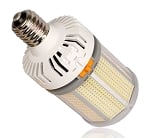
These kits can vary in design: some are two-piece setups, while others, like the corn light bulb, are all-in-one solutions. Can I Adjust the Brightness of an LED Retrofit Light? Whether you're retrofitting lights for a parking lot or a cozy corner of your home, you can choose a brighter or dimmer bulb, or many modern LED retrofit solutions offer dimmable capabilities. This flexibility allows users to adjust brightness levels to their preference, optimizing energy consumption further.
However, ensure the retrofit kit or bulb you select specifically mentions its dimmable feature; otherwise, dimming may not be feasible. Be sure to check whether it is onboard dimming only, 0-10v dimming, or classic wall dimmer compatible. Check metal halide to LED Conversion charts to see if you may want a brighter bulb. Why Choose Retrofitting with LED Over Complete Replacement? While a full fixture replacement has its merits, especially if your current fixtures are severely outdated or deteriorating, retrofitting with LED bulbs can be a more economical alternative.
Cost-Effective: If your fixtures are still in decent condition, retrofitting can lead to substantial cost savings. Not only are retrofit kits generally more affordable than brand-new fixtures, but the energy savings from LED lights also contribute to a reduced utility bill. Preserve Investments: If you've invested heavily in decorative or custom fixtures, retrofitting allows you to retain and utilize them, while still upgrading to the energy efficiency and longevity of LED technology.
Longevity: LED retrofit light bulbs have an impressive lifespan, often rated at 50,000 hours or more - 15 to 20 years at typical run times - with minimal to no maintenance required. While retrofitting is advantageous, it's essential to be aware that the retrofitting process might be more time-consuming than a straightforward replacement. Moreover, when selecting LED components, prioritize lumens (brightness) over watts (energy consumption). This ensures you get the desired illumination without being misled by wattage. It's also crucial to understand the efficiency metric 'lumens per watt'.
For instance, an LED light producing 135 lumens per watt is inherently more energy-efficient than another offering 97 lumens per watt. The higher the lumens per watt, the more brightness you get for each unit of electricity consumed. Making the switch to LED retrofit lights not only benefits the environment but also promises substantial long-term savings for the consumer. As with any technology, understanding its nuances can lead to more informed and satisfying choices.
Frequently Asked Questions
- What does retrofit lighting mean?
- It means upgrading an existing lighting system while reusing some of the fixture, mounting, wiring, or infrastructure.
- Do controls matter?
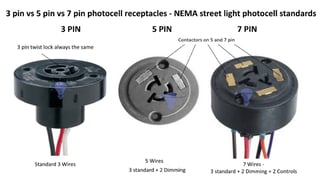
- Yes. Dimmers, sensors, timers, photocells, and schedules can change the value and performance of an LED project.
- What should I check before ordering?
- Check lumens, voltage, rating, mounting, controls, CCT, CRI, warranty, and installation requirements.
- When should I ask for help?
- Ask for help when wiring, photometrics, rebates, mounting, code, glare, or fixture compatibility matters.

Ready to Upgrade Your LED Lighting?
Our lighting specialists can help compare options, confirm light levels, and quote products that fit the site.
Call 800-674-9420 or email [email protected]
Monday-Friday, 8am-5pm PST

About the Author
Dara Greaney is founder and CEO of LED Light Expert with deep expertise in commercial LED lighting, retrofits, and photometric planning.
Editing by David Peguero
Tagged Products

Trusted by Thousands
Our customers love us — and we love them back.


-
 Free Shipping
On orders over $49.00
-
 Free Extended Warranty
Up to 7 Years Free Warranty On LED Lights
-
100% Satisfaction Guarantee
