


It is an upgrade that keeps some existing fixture infrastructure while changing the light source, kit, driver, or controls.
LED Retrofit Lighting Guide
An LED retrofit can be a smart upgrade when the existing fixture, wiring, optics, and housing are still worth using. It can also be the wrong move when a new fixture would provide better optics, controls, thermal design, rating, and serviceability. The decision should be based on the site, not a generic savings promise.
What to Check First
- Inspect existing fixtures, sockets, lenses, housings, voltage, controls, and mounting.
- Compare retrofit kit, lamp replacement, ballast bypass, and full fixture replacement options.
- Review listing, wiring method, heat, light levels, controls, incentives, maintenance, and disposal.
Application Decision Table
| Use Case | Practical Guidance |
|---|---|
| Lamp replacement | Simple in some cases, but check fixture compatibility and heat. |
| Retrofit kit | Can preserve housings while upgrading optics, driver, and controls. |
| New fixture | Often better when the old housing, lens, or layout is the problem. |
Specification Checklist
- Existing fixture condition
- Electrical method
- Listing and instructions
- Thermal limits
- Light level target
- Controls and maintenance
Common Mistakes to Avoid
- Assuming a retrofit is automatically cheaper long term.
- Bypassing ballasts without qualified electrical work.
- Ignoring optics, heat, and fixture condition.
Retrofit Success Depends on the Existing Fixture
Retrofit LED lights can cut energy use and maintenance, but the existing housing, wiring, ballast, driver space, heat path, lens, listing, controls, and light levels decide whether retrofit or full fixture replacement is the better choice.
| Check | Why it matters |
|---|---|
| Fixture condition | Rust, brittle sockets, bad lenses, or heat damage can make replacement safer. |
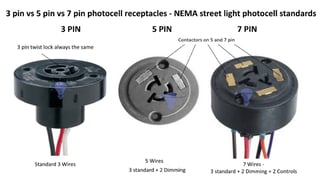
| Controls | Photocells, sensors, dimmers, and emergency circuits must stay compatible. |
| Light levels | Verify the retrofit delivers the footcandles and uniformity the space needs. |
More Details to Consider
Making the Switch: The Benefits of Retrofit LED Lights for Your Business. LED lighting is quickly becoming the go-to choice for businesses of all sizes. Not only are LEDs more energy-efficient than traditional lighting options, but they also offer a number of other benefits, including longer lifespans, reduced maintenance costs, and improved lighting quality. If you're considering making the switch to LED lighting, here are a few things you need to know about retrofit LED lights:
A retrofit LED light is a replacement bulb or kit that can be used to convert traditional lighting fixtures to LED. Retrofit LEDs are available in a variety of shapes, sizes, and wattages, so you can find the perfect solution for your specific needs. Overview of Retrofit LED Lights as a Cost-effective Solution. Retrofit LED lights offer a number of financial benefits for businesses. For starters, they can help you save money on your energy bills.
LEDs use up to 90% less energy than traditional lighting options, which can lead to significant cost savings over time. In addition to energy savings, retrofit LEDs also offer reduced maintenance costs. LEDs have a much longer lifespan than traditional bulbs, so you won't have to replace them as often. This can save you money on both the cost of bulbs and the labor costs associated with changing them. Finally, retrofit LEDs can help you improve your bottom line by aligning with green business practices and sustainability goals.
LEDs are a more environmentally friendly option than traditional lighting, and they can help you reduce your carbon footprint. LED lights work by emitting light through the process of electroluminescence. When an electric current is applied to the LED, it creates photons, which are the particles of light. The color of the light emitted by the LED is determined by the materials used to make it. Retrofit LED lights are a type of LED lights that are designed to replace the existing bulbs or fixtures in a lighting system.
Retrofit LED lights can have different shapes, sizes, and bases to fit into the existing sockets or housings. Retrofit LED lights can be used for various applications, such as residential, commercial, industrial, or outdoor lighting. They can also be used for different types of lighting, such as recessed, surface, wall, ceiling, or flood lighting. Retrofit LED lights can improve the appearance, functionality, and efficiency of any lighting system. What are the Benefits of LED Retrofit? There are many benefits to retrofitting your business's lighting with LEDs. Some of the most important benefits include:
Energy efficiency and cost savings: LEDs use up to 90% less energy than traditional lighting options, which can lead to significant cost savings on your energy bills. Long-term investment: LEDs have a much longer lifespan than traditional bulbs, so you won't have to replace them as often. This can save you money on both the cost of bulbs and the labor costs associated with changing them. Reduced maintenance costs: LEDs are less prone to breakage and require less maintenance than traditional bulbs.
This can reduce repair frequency and maintenance labor when the retrofit is matched to the fixture and installed correctly. Aligning with green business practices and sustainability goals: LEDs are a more environmentally friendly option than traditional lighting. They use less energy and produce fewer emissions, which can help you reduce your carbon footprint. "Retrofitting your business with LEDs is a wise investment. It will save you money on your energy bills, improve the overall lighting quality in your business, and align with your green business goals.
With so many benefits to offer, LEDs are the clear choice for businesses of all sizes. " -Bill G. - General Manager at LEDLightExpert.com. The effectiveness of retrofitting your business's lighting with LEDs depends on a number of factors, including the type of lighting you currently use, the size of your business, and your budget. However, in general, retrofitting with LEDs can save you money on your energy bills and improve the overall lighting quality in your business. What is the Difference Between Replacement and Retrofitting?
When it comes to upgrading your business's lighting, there are two main options: replacement and retrofitting. Both options have their own advantages and disadvantages, so it's important to understand the difference between them before making a decision. Replacement simply means removing your old lighting fixtures and installing new ones. This is the most common way to upgrade to LED lighting, and it's a great option if your existing fixtures are old or outdated.
Replacement can also be a good option if you're looking for a major change in the overall look and feel of your lighting. Retrofitting is a more cost-effective way to upgrade to LED lighting. It involves installing LED light bulbs or kits into your existing lighting fixtures. Retrofitting is a good option if your existing fixtures are in good condition and you don't want to make a major change to the overall look and feel of your lighting. How to Choose the Right Retrofit LED Lights?
There are a few things to keep in mind when choosing retrofit LED lights for your business: Identify your specific lighting needs and goals: What are you hoping to achieve by retrofitting your lighting? Are you looking to save money on your energy bills? Improve the overall lighting quality? Create a more welcoming atmosphere? Once you know your specific needs, you can start to narrow down your choices.
Evaluate different retrofit options and product features: There are a variety of retrofit LED lights on the market, so it's important to compare different options before making a decision. Consider factors such as the light output, color temperature, and lifespan of each product. Work with a qualified professional: If you're not sure how to choose the right retrofit LED lights or how to install them, it's a good idea to work with a qualified professional.
They can help you choose the right lights for your needs and ensure that they're installed correctly. "If you're looking for a way to save money on your energy bills, improve the lighting quality in your business, and align with green business practices, then retrofitting with LEDs is a great option. With so many benefits to offer, LEDs are the clear choice for businesses of all sizes. " -Bill G. added.
Frequently Asked Questions
- What is an LED retrofit?
- It is an upgrade that keeps some existing fixture infrastructure while changing the light source, kit, driver, or controls.
- Is retrofit better than replacement?
- Sometimes. It depends on fixture condition, optics, heat, controls, and long-term maintenance.
- Do retrofits save energy?
- They can, but savings should be calculated from actual wattage, run hours, utility rates, and controls.
- Who should install retrofit kits?
- Qualified installers should follow listing, wiring, and manufacturer instructions.

Ready to Upgrade Your LED Lighting?
Our lighting specialists can help compare fixtures, confirm light levels, and quote products that fit the site.
Call 800-674-9420 or email [email protected]
Monday-Friday, 8am-5pm PST

About the Author
Dara Greaney is founder and CEO of LED Light Expert with deep expertise in commercial LED lighting, retrofits, and photometric planning.
Editing by David Peguero

Trusted by Thousands
Our customers love us — and we love them back.


-
 Free Shipping
On orders over $49.00
-
 Free Extended Warranty
Up to 7 Years Free Warranty On LED Lights
-
100% Satisfaction Guarantee
