

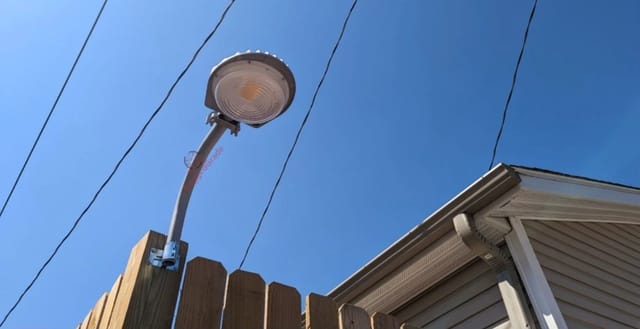
Quick Answer
Good barn lights match the task, mounting height, moisture, dust, animals, equipment movement, and outdoor spill-light concerns.
Barn Lights
Barn lighting needs depend on whether the space is used for animals, equipment, storage, work, or exterior yard coverage. Good barn lights control glare, dust, moisture, insects, shadows, and maintenance access.
What to Check First
- Choose wet-location or vapor-tight fixtures where moisture, dust, or washdown is possible.
- Use shielded outdoor fixtures to reduce glare and spill.
- Check mounting height, beam spread, color temperature, and switch/control location.
Application Decision Table
| Use Case | Practical Guidance |
|---|---|
| Pole barn interior | Use broad, even light with durable housings. |
| Barn yard | Aim shielded area lights where work happens. |
| Animal areas | Avoid harsh glare and check environmental conditions. |
Common Mistakes to Avoid
- Buying by wattage, product name, or old fixture type without checking delivered light and layout.
- Skipping safety listing, environmental rating, controls compatibility, or final commissioning.
- Ignoring glare, maintenance access, documentation, and replacement availability.
Pick Barn Lights by Mounting Location
The best barn lights depend on whether the fixture lights a door, driveway, yard, aisle, stall, sign, or work area. A gooseneck light can give a classic look over doors and signs, while a yard light or area light usually works better for broad coverage. Check wet rating, glare, photocell controls, mounting height, color temperature, and service access.
| Use | Best starting choice |
|---|---|
| Barn door or sign | Gooseneck or wall-mounted fixture with controlled downward light. |
| Yard or driveway | Area light or flood light with photocell and glare control. |
| Interior aisle | Linear or low-bay fixture with durable lens and easy maintenance. |
| Animal areas | Lower glare, comfortable color, protected wiring, and washable surfaces. |
More Details to Consider
Barn lights should be selected by location and use. A door light, yard light, aisle light, stall light, sign light, and equipment-work light all need different output, mounting, shielding, and environmental ratings.
Moisture, dust, insects, animals, vibration, washdown, and equipment movement can all affect fixture choice. Use wet-location, damp-location, vapor-tight, or protected wiring products based on the actual exposure.
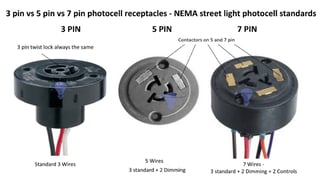
Dusk-to-dawn controls and photocells can be useful for yard lighting, but they should be paired with controlled output and shielding so the light helps the work area without creating glare or spill.
Frequently Asked Questions
- What are good barn lights?
- Good barn lights match the task, mounting height, moisture, dust, animals, equipment movement, and outdoor spill-light concerns.
- Should barn lights be waterproof?
- Use wet-location, damp-location, or vapor-tight products based on the actual environment. Do not rely on vague ruggedness claims.
- What color temperature works in barns?
- Neutral white is common for work areas, while warmer light may be preferred outdoors or near animals.
- Are dusk-to-dawn barn lights useful?
- They can be useful for yard and security lighting, especially when paired with shielding and appropriate output.

Ready to Upgrade Your LED Lighting?
Our lighting specialists can help compare options, confirm light levels, and quote the right products for your project.
Call 800-674-9420 or email [email protected]
Monday-Friday, 8am-5pm PST

About the Author
Dara Greaney is founder and CEO of LED Light Expert with deep expertise in commercial LED lighting, retrofits, and photometric planning.
Editing by David Peguero

Trusted by Thousands
Our customers love us — and we love them back.


-
 Free Shipping
On orders over $49.00
-
 Free Extended Warranty
Up to 7 Years Free Warranty On LED Lights
-
100% Satisfaction Guarantee
