


The right choice depends on location, purpose, glare, spill, weather exposure, and maintenance needs.
Outdoor Lighting Selection Guide
The best outdoor light is the one that fits the location and purpose. A porch, pathway, driveway, landscape feature, wall pack, parking area, and sports court all need different output, beam control, shielding, CCT, weather rating, controls, and service access.
What to Check First
- Define whether the goal is navigation, task light, accent light, area light, or site lighting.
- Compare lumens, beam angle, shielding, CCT, CRI, controls, weather rating, mounting, and maintenance.
- Check glare from normal viewing positions and spill toward neighbors, roads, and windows.
Application Decision Table
| Use Case | Practical Guidance |
|---|---|
| Path and steps | Use low glare, even spacing, and enough light for navigation. |
| Wall or security area | Use controlled output, aiming, and motion or schedule settings. |
| Landscape accent | Use beam angle, shielding, and placement to light the feature, not the sky. |
Specification Checklist
- Purpose and location
- Lumens and beam angle
- Shielding
- CCT and CRI
- Weather rating
- Controls and maintenance
Common Mistakes to Avoid
- Buying the brightest fixture for every outdoor location.
- Ignoring glare, spill, and sky glow.
- Using indoor-rated products outdoors.
Match Outdoor Lights to the Location First
The best outdoor lights depend on where the fixture goes. A wall pack near a door, a pole light in a parking lot, a flood light on a building, and a landscape light near the ground have different jobs. Compare weather rating, distribution, glare control, mounting height, controls, CCT, voltage, service access, and whether the fixture may see rain, dust, salt, vibration, or impact.
| Location | Best starting point |
|---|---|
| Parking lot | Pole-mounted area lights with optics, glare control, photocell or timer, and photometrics. |
| Building perimeter | Wall packs or flood lights aimed to cover doors, walkways, and loading areas without glare. |
| Landscape or ground level | Higher ingress protection, corrosion-resistant hardware, and safe low-glare placement. |
| Yard or work area | Flood lights or temporary fixtures selected by beam angle, mounting, and target area. |
More Details to Consider
Outdoor lighting should match the location first. A porch, path, driveway, building perimeter, parking lot, landscape feature, yard, and sports court all need different output, beam control, shielding, rating, and controls.
Good outdoor lighting improves visibility and wayfinding while controlling glare, spill, and sky glow. Aim fixtures at the task, use shielding where needed, and avoid installing the brightest possible light everywhere.
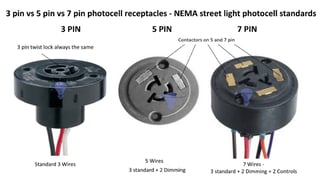
Check wet or damp location rating, IP rating, corrosion exposure, mounting height, CCT, photocell or timer settings, and maintenance access before ordering.
Frequently Asked Questions
- What are the best outdoor lights?
- The right choice depends on location, purpose, glare, spill, weather exposure, and maintenance needs.
- What CCT is best outdoors?
- Warmer CCT is often preferred for comfort and reduced sky glow, but the application matters.
- Do outdoor lights need controls?
- Photocells, timers, dimming, and motion settings can reduce waste and nuisance light.
- What rating should outdoor lights have?
- Use fixtures rated for the exposure, such as wet location where direct weather is expected.

Ready to Upgrade Your LED Lighting?
Our lighting specialists can help compare fixtures, confirm light levels, and quote products that fit the site.
Call 800-674-9420 or email [email protected]
Monday-Friday, 8am-5pm PST

About the Author
Dara Greaney is founder and CEO of LED Light Expert with deep expertise in commercial LED lighting, retrofits, and photometric planning.
Editing by David Peguero

Trusted by Thousands
Our customers love us — and we love them back.


-
 Free Shipping
On orders over $49.00
-
 Free Extended Warranty
Up to 7 Years Free Warranty On LED Lights
-
100% Satisfaction Guarantee
