

Quick Answer
LED holiday lights can reduce electrical load, run cooler than incandescent strings, and support timers, color effects, and reusable displays.
LED Holiday Lighting
LED holiday lights can reduce electrical load, run cooler than incandescent strings, and support timers, color effects, and reusable displays. The safe choice still depends on product rating, cord condition, load limits, weather exposure, and installation method.
What to Check First
- Use lights and extension cords rated for the location: indoor, damp, or outdoor.
- Check total connected load, timers, plugs, GFCI protection, and cord damage.
- Use clips and supports that avoid puncturing cords or stressing connections.
Application Decision Table
| Use Case | Practical Guidance |
|---|---|
| Residential decorations | Use listed products, avoid damaged cords, and follow string-count limits. |
| Commercial displays | Plan circuits, controls, access, weather exposure, and removal schedule. |
| Trees and landscaping | Avoid tight wrapping that damages branches or cords. |
Common Mistakes to Avoid
- Mixing products beyond their rated connection limits.
- Leaving damaged cords in service.
- Using indoor holiday lights outdoors.
Holiday LED Safety and Buying Checks
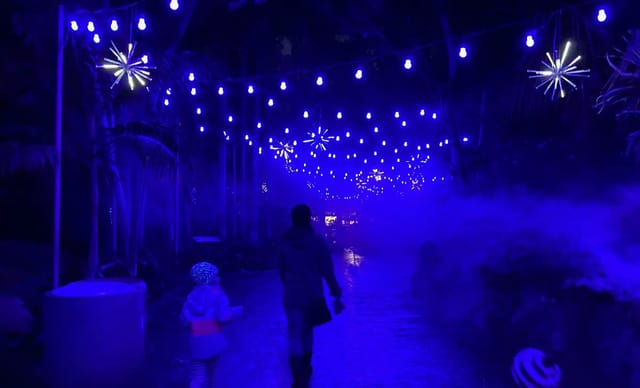
LED holiday lights became popular because they use less electricity, run cooler than many older incandescent strings, and offer more color and control options. They still need the right indoor/outdoor rating, cord condition, connection limits, and safe installation practices.
| Check | Why it matters |
|---|---|
| Indoor or outdoor rating | Outdoor strings need weather-rated construction and connections. |
| Connection limits | Follow the manufacturer limit for how many strings can be connected. |
| Timer or smart plug | Controls reduce run time and avoid lights staying on all day. |
More Details to Consider
LED holiday lights changed seasonal decorating because they use less power than many older incandescent strings, run cooler at the bulb, and offer more choices in color, effects, timers, and reusable displays. Those advantages still depend on using listed products that are rated for the location.
For homes, the first checks are indoor versus outdoor rating, cord condition, plug load, manufacturer string limits, extension-cord rating, GFCI protection, and whether the lights will be exposed to rain, snow, or physical damage. Lower wattage helps, but it does not remove basic electrical safety rules.
For commercial displays, planning matters even more. Circuits, timers, weatherproof connections, mounting clips, removal schedules, and access for maintenance should be documented before lights go up. RGB and smart controls can create useful scenes, but they should be installed so cords are protected and settings are easy to maintain.
LEDs are a practical holiday upgrade because they can reduce load and support controls. They should not be described as heat-free, glare-free, or risk-free. Use the product instructions, inspect cords each season, and retire damaged strings.
Frequently Asked Questions
- What is the main point of LED Holiday Lighting?
- LED holiday lights can reduce electrical load, run cooler than incandescent strings, and support timers, color effects, and reusable displays.
- What should I check first?
- Use lights and extension cords rated for the location: indoor, damp, or outdoor.
- Do controls matter?
- Yes. Dimming, timers, sensors, photocells, and schedules can change both performance and operating cost.
- When should I ask for help?
- Ask for help when wiring, photometrics, mounting, glare, safety listing, or product compatibility affects the project.

Ready to Upgrade Your LED Lighting?
Our lighting specialists can help compare options, confirm light levels, and quote products that fit the site.
Call 800-674-9420 or email [email protected]
Monday-Friday, 8am-5pm PST

About the Author
Dara Greaney is founder and CEO of LED Light Expert with deep expertise in commercial LED lighting, retrofits, and photometric planning.
Editing by David Peguero

Trusted by Thousands
Our customers love us — and we love them back.


-
 Free Shipping
On orders over $49.00
-
 Free Extended Warranty
Up to 7 Years Free Warranty On LED Lights
-
100% Satisfaction Guarantee
