

Quick Answer
A dark-sky-friendly wall light controls uplight, glare, spill light, output, color temperature, and operating time. Full cutoff shielding, warm CCT, dimming, and motion controls are common parts of the design.
Dark Sky Compliant Wall Lights
Dark-sky-friendly wall lighting starts with putting the right amount of light only where it is needed. Shielding, warm CCT, lower output, dimming, timers, and motion controls all matter.
What to Check First
- Mounting height, fixture location, voltage, controls, and service access.
- Target light level, uniformity, glare, spill light, and operating schedule.
- Safety listing, warranty, environmental rating, and current code or program requirements.
- Whether a photometric plan or sample installation is needed before ordering.
Practical Buying Advice
Do not buy by wattage, brightness claims, or product names alone. Compare the fixture data, application, layout, and maintenance plan. For uncertain projects, choose adjustable settings only when the final settings will be locked, labeled, and documented.
Decision Table
| Question | Why It Matters |
|---|---|
| What task is being lit? | The task decides output, optics, controls, and glare limits. |
| What can go wrong? | Heat, glare, poor aiming, wrong listing, or bad controls can erase the benefit. |
| How will it be maintained? | Access, documentation, and replacement parts affect lifetime value. |
What Dark Sky Compliance Means for Wall Lights
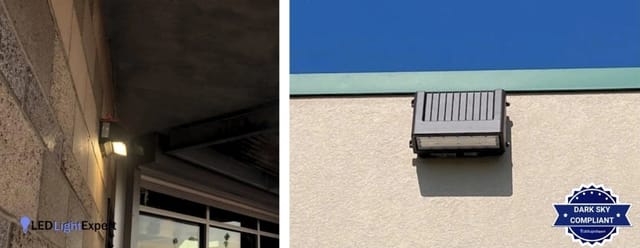
Dark sky compliant wall lights are designed to reduce wasted uplight, glare, and light trespass. For exterior walls, that usually means a shielded or full-cutoff fixture that directs light downward toward the ground or target area instead of into the sky or across property lines. The goal is not simply to make lighting dimmer; it is to put the right amount of light in the right place.
This matters for neighbors, drivers, pedestrians, wildlife, security cameras, and local code compliance. A bright unshielded wall light can make a doorway look safer while making nearby windows uncomfortable or creating glare that reduces visibility. A well-shielded fixture can deliver better usable light with fewer complaints and often with lower wattage.
How to Choose a Dark Sky Wall Fixture
Check the fixture's optical design, mounting height, lumen output, CCT, and aiming. Full-cutoff fixtures are usually preferred where uplight must be controlled. Warmer color temperatures are often better for residential, hospitality, and neighbor-sensitive sites because they feel less harsh and may reduce nighttime disruption. High output is not always better; excessive lumens can still create glare even when the fixture is shielded.
Look for controls that reduce unnecessary runtime. Photocells prevent daytime operation, timers can limit overnight hours, and motion sensors can boost output only when someone is nearby. For security, a low standby level with motion boost may be better than complete shutoff. For code-driven projects, confirm local requirements for uplight, color temperature, shielding, curfew schedules, and property-line spill.
Installation and Ongoing Review
After installation, inspect the site at night. Stand at the property line, look from nearby windows, walk the path below the fixture, and check camera views. Adjust aiming if the fixture is adjustable. Clean lenses and shields over time because dirt and damaged covers can scatter light in unwanted directions.
- Use shielded fixtures that direct light downward and avoid visible bare LEDs from normal viewing angles.
- Choose the lowest practical lumen package that still supports safety and visibility.
- Favor warmer CCT where local rules, neighbors, or wildlife sensitivity matter.
- Document final settings for photocells, timers, motion sensors, dimming levels, and aiming.
Dark Sky Compliant Wall Lights: Buyer and Maintenance Checks
A good dark sky compliant wall lights decision starts with the real installation conditions, not just the product name. Check the application, mounting height, voltage, light level, glare, controls, wet or dust exposure, service access, and whether a photometric layout or qualified installer is needed before ordering.
| Check | Why it matters |
|---|---|
| Application | Confirms the fixture, lamp, control, or accessory fits the actual space and task. |
| Mounting and wiring | Prevents fit, voltage, access, and safety problems during installation. |
| Controls and maintenance | Protects energy savings, usability, troubleshooting, and long-term performance. |
What Is Dark Sky Compliance?
Dark sky compliance refers to fixtures designed to minimize light pollution - the unnecessary or misdirected outdoor lighting that brightens the night sky. These fixtures focus light downward, reducing the glare and skyglow that wash out the stars. Installing dark sky compliant fixtures improves your property's appearance while contributing to a broader effort to preserve the nighttime environment - and it protects nocturnal wildlife and cuts wasted energy at the same time.
What Makes an LED Wall Light Dark Sky Compliant?
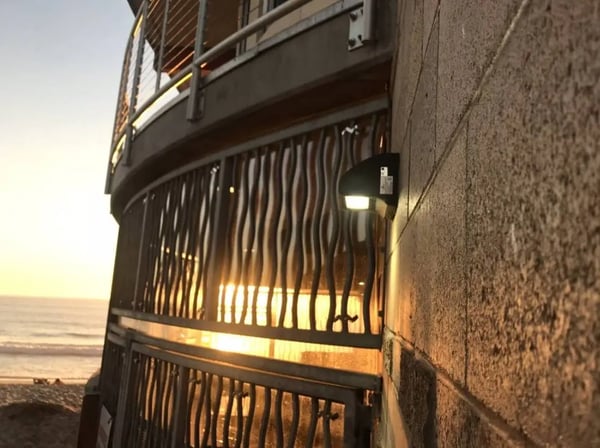
Directional lighting. Compliant fixtures aim light downward, minimizing upward spill and glare so pathways and entrances are lit without throwing light into the sky or onto neighbors, reducing light trespass.
Lumens, not wattage. Judge brightness by lumens (actual output), not wattage (energy use). Right-sizing lumens prevents the over-lighting that fuels light pollution.
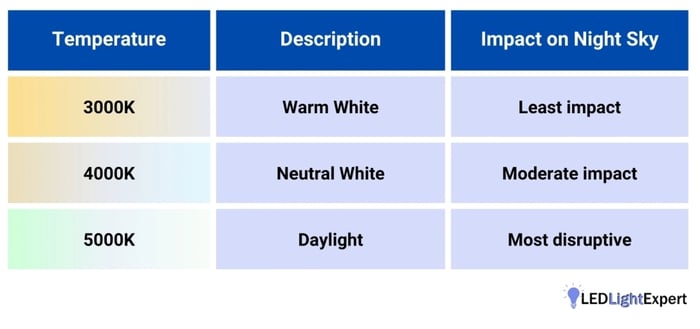
Color temperature. Measured in Kelvin, warmer light around 3000K is typical for dark-sky fixtures because it emits less of the blue light that is most harmful to nocturnal wildlife.
Choosing Dark Sky Wall Lights for Your Home
Home exterior lighting should match your taste and architecture while staying compliant. Good options include traditional LED barn lights (classic curved shades, downward light for porches and garages), contemporary wall packs (sleek, integrated LED, downward emission), and modern porch lights (minimalist fixtures that light for safety without skyglow). For placement, light only where needed - porches, entryways, garages, pathways - aim every fixture downward, and choose a lumen level that avoids glare. LEDs add the usual benefits: far lower energy use, tens of thousands of hours of life, and no mercury.
Choosing Dark Sky Wall Lights for Your Business
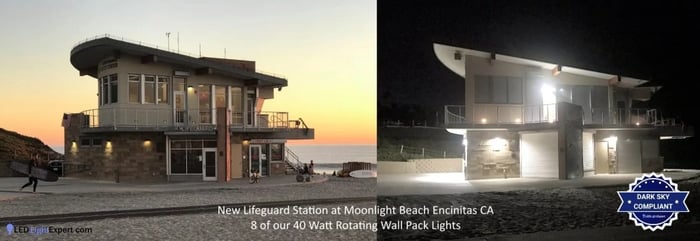
Businesses juggle more factors than aesthetics. Local ordinances often regulate fixture type, brightness, and installation - for example, California Title 24 requires LED lighting to meet standards for lifespan, luminaire efficiency, light quality, and dark-sky compliance. Security and visibility matter too: well-lit storefronts, signage, pathways, and parking lots deter crime and prevent accidents. And LED efficiency lowers operating costs. On the aesthetic side, semi cut-off wall lights direct most light down while allowing a little up, adjustable LED wall lights let you aim light exactly where it is needed, and modern designs integrate with any architectural style.
Security does not have to come at the sky's expense. Focused, downward light reduces shadows and blind spots for cameras, minimizes glare that actually hurts visibility, stays neighbor-friendly by controlling spill, and supports local wildlife - increasingly a point of pride for customers who value environmental responsibility.
Key Features to Look For
Shielding and cut-off design. Full cut-off fixtures emit no light above the horizontal plane through the fixture's lowest point, eliminating uplight and skyglow. Proper shielding hides the source from side and above, cutting glare. Semi cut-off fixtures allow a little uplight for certain looks while still respecting dark-sky principles.
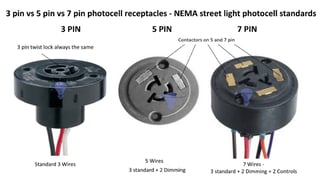
Motion sensors and smart controls. Motion sensors light an area only when someone is present; dusk-to-dawn photocells switch on at sunset and off at sunrise (keep them shielded and not over-bright); and smart controls add scheduling, dimming, and remote adjustment.
Certifications. Look for Energy Star for efficiency and DLC certification for commercial performance and utility-rebate eligibility.
Benefits of Dark Sky Compliant LED Wall Lights
Environmental: preserving nighttime ecosystems, conserving energy, and restoring visibility of the stars. Financial: lower energy bills, reduced maintenance from LED lifespans of 50,000 hours or more, and potential Energy Star or DLC rebates. Aesthetic: improved visual comfort from reduced glare, architectural highlighting, and community harmony from minimal light trespass.
Questions to Ask Before Buying
- What is the light's purpose? Security calls for higher lumens and motion sensors; ambiance calls for softer warm white; task areas call for focused, directional light.
- Are there local regulations? Check residential ordinances, commercial light-trespass rules, and any dark-sky-community codes near observatories or wildlife reserves.
- How many lumens do you need? A small residential entry may need only 500 to 1,000 lumens; a commercial lot needs far more. Match lumens to purpose and avoid over-lighting, which causes glare and pollution.
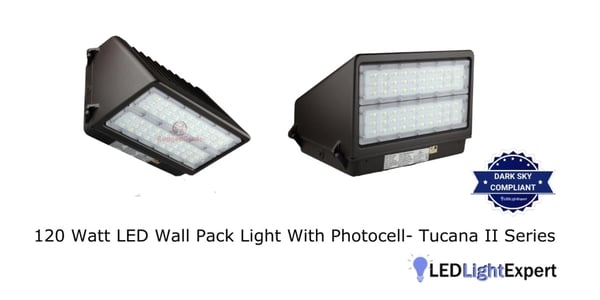
For a tunable option, the Rotate IV Series wall pack pairs adjustable output and aiming with dark-sky-friendly control.
More Details to Consider
Dark-sky wall lighting is about useful light with less waste. Choose shielded fixtures, warmer CCT where appropriate, controlled output, careful aiming, and mounting locations that keep light on the ground instead of in the sky.
Security, code, neighbors, wildlife, and visibility can all pull the design in different directions. The best result usually comes from lower glare, better distribution, and controls instead of simply increasing wattage.
Before installing exterior wall lights, check local ordinances, property-line spill light, fixture BUG ratings where relevant, and whether motion or photocell controls make sense for the site.
Frequently Asked Questions
- What makes a wall light dark sky compliant?
- A dark-sky-friendly wall light controls uplight, glare, spill light, output, color temperature, and operating time. Full cutoff shielding, warm CCT, dimming, and motion controls are common parts of the design.
- Is full cutoff enough for dark sky compliance?
- No. Full cutoff helps, but responsible outdoor lighting also needs useful purpose, targeted light, low level, controls, and warm color where possible.
- What color temperature is best for dark sky wall lights?
- Warm CCTs are usually preferred, often 3000K or lower when the site allows it. Local ordinances may set a specific maximum.
- Do dark sky wall lights reduce security?
- They should not when designed well. Shielded, targeted light can improve visibility by reducing glare and putting light on the walkway, door, or wall area where it is actually needed.

Ready to Upgrade Your LED Lighting?
Our lighting specialists can help compare options, confirm light levels, and quote the right products for your project.
Call 800-674-9420 or email [email protected]
Monday-Friday, 8am-5pm PST

About the Author
Dara Greaney is founder and CEO of LED Light Expert with deep expertise in commercial LED lighting, retrofits, and photometric planning.
Editing by David Peguero

Trusted by Thousands
Our customers love us — and we love them back.


-
 Free Shipping
On orders over $49.00
-
 Free Extended Warranty
Up to 7 Years Free Warranty On LED Lights
-
100% Satisfaction Guarantee
