

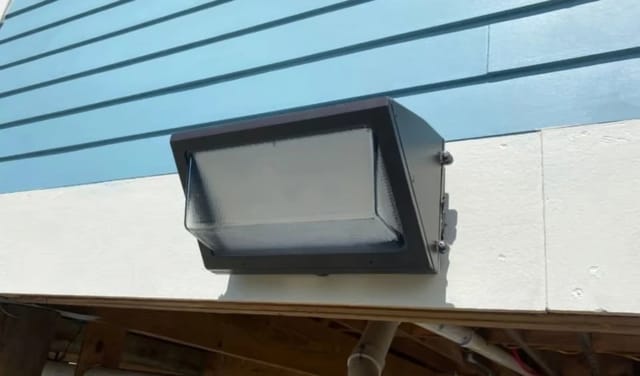
Quick Answer
Shielding, distribution, wet-location rating, output, CCT, photocell, motion sensing, dimming, emergency options, and mounting all matter.
LED Wall Light Features
LED wall lights should be chosen by purpose: entry lighting, security, egress, architectural accent, walkway lighting, or wall-pack area coverage. Useful features include shielding, selectable output, CCT choice, photocell, motion sensing, emergency options, and wet-location rating.
What to Check First
- Match the fixture style and distribution to the wall area being lit.
- Check glare, uplight, spill, controls, CCT, and local rules.
- Document final wattage/CCT/control settings for maintenance.
Application Decision Table
| Use Case | Practical Guidance |
|---|---|
| Door or entry | Use lower output with good cutoff and comfort. |
| Wall-pack area light | Use distribution and shielding to control spill. |
| Decorative wall light | Balance appearance with glare and rating. |
Common Mistakes to Avoid
- Buying by wattage, product name, or old fixture type without checking delivered light and layout.
- Skipping safety listing, environmental rating, controls compatibility, or commissioning.
- Ignoring glare, maintenance access, documentation, and replacement availability.
Features That Make LED Wall Lights Useful
LED wall lights can serve many different jobs: entry lighting, security lighting, hallway lighting, stair lighting, architectural accent lighting, patio lighting, and commercial wall-pack coverage. The correct feature set depends on the job. A decorative indoor sconce has a very different purpose than an exterior wall pack over a service door, and a motion-sensor fixture for a side yard should be judged differently than a full-cutoff commercial wall light.
Start with brightness and distribution. Lumens tell you how much visible light the fixture produces, while the distribution tells you where that light goes. For outdoor security, a fixture may need higher output and broader coverage. For entries, patios, and walkways, a lower-output fixture with better glare control can be more comfortable. For indoor ambient lighting, color temperature and dimming often matter more than raw output.
Energy Efficiency, Lumens, and Color Temperature
LED wall lights are popular because they use less energy than older incandescent, halogen, or fluorescent fixtures while lasting longer and producing less wasted heat. Compare lumens per watt, not wattage alone. A high-efficiency wall light can provide useful brightness at a lower operating cost, especially when it runs every night or is tied to dusk-to-dawn controls.
Color temperature should match the setting. Warm white light can make residential entries, patios, and hospitality spaces feel more comfortable. Neutral white is often a good middle ground for kitchens, corridors, and commercial entrances. Cooler white may support visibility in security or work areas, but it can feel harsh if the fixture is mounted near eye level or points toward neighbors.
Controls, Dimming, and Sensors
Dimmability is valuable when a wall light has to support more than one use. It can provide bright light for cleaning or work, then softer light for evening comfort. Check that the fixture is listed as dimmable and that the dimmer type is compatible. Mismatched dimmers can cause flicker, buzzing, poor low-end control, or shortened driver life.
Photocells, dusk-to-dawn sensors, and motion sensors can save energy and make lighting easier to manage. A photocell is useful for exterior lights that should run automatically at night. Motion sensing is useful for intermittent traffic areas, but the time delay, detection range, mounting height, and standby level should be set thoughtfully. For security cameras and egress routes, full shutoff may not be the right choice.
Durability, Materials, and Outdoor Ratings
Exterior LED wall lights need durable housings, sealed lenses, corrosion-resistant finishes, and an IP rating appropriate for rain, dust, and weather exposure. Powder-coated aluminum, stainless hardware, and well-designed gaskets help the fixture stay attractive and reliable. In coastal, wet, dusty, or high-traffic locations, material quality matters as much as the LED engine.
Also consider design and glare. Wall lights are often mounted close to eye level, so poor shielding can create uncomfortable brightness. Full-cutoff or well-shielded fixtures help reduce uplight and light trespass. Decorative fixtures should still be practical: the lens, beam spread, mounting plate, wiring access, and serviceability should support the real installation.
Application Checklist
- For security, check lumen output, beam spread, motion settings, camera angles, and glare from nearby walkways or roads.
- For patios and entries, prioritize comfortable CCT, shielding, style, dimming, and warm appearance.
- For commercial exteriors, confirm wet-location rating, photocell options, full-cutoff design, voltage, warranty, and code needs.
- For maintenance, keep the lens clean, check seals and mounting hardware, and document final wattage, CCT, and sensor settings.
LED Wall Lights Features: Buyer and Maintenance Checks
A good decision on LED wall light features starts with the real installation conditions, not just the product name. Check the application, mounting height, voltage, light level, glare, controls, wet or dust exposure, service access, and whether a photometric layout or qualified installer is needed before ordering.
| Check | Why it matters |
|---|---|
| Application | Confirms the fixture, lamp, control, or accessory fits the actual space and task. |
| Mounting and wiring | Prevents fit, voltage, access, and safety problems during installation. |
| Controls and maintenance | Protects energy savings, usability, troubleshooting, and long-term performance. |
More Details to Consider
LED wall lights have changed the way we light our homes and outdoor spaces. These versatile lighting fixtures are designed to be mounted on walls, providing functional benefits. It doesn't matter if you need lighting for security, ambiance, or decorative purposes, LED wall lights offer a range of solutions that cater to various needs and preferences. Brief Introduction to LED Wall Lights and Their Growing Popularity. In recent years, LED wall lights have gained popularity, becoming a preferred choice for homeowners, architects, and designers. This surge in demand can be attributed to several factors.
LED technology has advanced significantly, offering improved energy efficiency, longer lifespan, and better light quality compared to traditional lighting options. Also, the variety of designs and styles available ensures that there is an LED wall light for every taste and application, from modern minimalist fixtures to more ornate and decorative options. LED wall lights are also known for their durability and low maintenance requirements. Unlike conventional bulbs, LEDs are less prone to breaking and can withstand various weather conditions, making them a great choice for both indoor and outdoor use.
This reliability and versatility contribute to their growing adoption in residential, commercial, and industrial settings. So let's explore the top features to look for when buying LED wall lights. Whether you are upgrading your existing lighting or installing new fixtures, understanding these features will help you make an informed decision and choose the best LED wall lights for your needs. From energy efficiency to design attractiveness, we will cover all the essential aspects that make LED wall lights a valuable addition to any space.
LED Wall Lights - Tucana Series - Actual Install - LED Light Expert.
Importance of Choosing the Right LED Wall Lights
Why Selecting the Appropriate Features Matters for Functionality and Elegance. Choosing the right LED wall lights is crucial not only for achieving the desired functionality but also for enhancing the elegant appeal of your space. The right features ensure that your lighting fixtures meet your specific needs, whether you're looking for bright, focused illumination for security purposes or a softer, ambient glow for creating a relaxing atmosphere.
Functionality is an important aspect of lighting. For example, if you need LED wall lights for an exterior setting, such as illuminating your driveway or backyard, you will need fixtures that are weather-resistant and provide sufficient brightness. On the other hand, indoor applications might prioritize dimmability and color temperature to match the interior decor and mood. Aesthetics play an equally important role. The design, color, and finish of the LED wall lights should complement the overall style of your space.
Whether you prefer modern, sleek designs or classic, decorative fixtures, the right choice can significantly enhance the visual appeal and ambiance of your environment. LED Outdoor Wall Light Actual Install - LED Light Expert.
Key Features to Consider When Buying LED Wall Lights
One of the primary reasons for the growing popularity of LED wall lights is their incredible energy efficiency. LEDs (Light Emitting Diodes) consume significantly less power compared to traditional incandescent or fluorescent bulbs.
This efficiency stems from the fact that LEDs convert a higher percentage of electrical energy into light, with minimal energy wasted as heat. For example, an LED wall light can use up to 80% less energy than an incandescent bulb to produce the same amount of light. This not only reduces your energy bills but also contributes to a lower carbon footprint, making LEDs an environmentally friendly choice. Also, LED wall lights have a longer lifespan, often lasting up to 25,000 hours or more, which means fewer replacements and less waste.
Importance of Checking the Energy Rating and Lumens per Watt (lm/W). When shopping for LED wall lights, it is important to check the energy rating and lumens per watt (lm/W) to make sure you are getting the most efficient option. The energy rating provides a measure of the fixture's overall efficiency, with higher ratings indicating better performance. Lumens per watt (lm/W) is another critical metric, representing the amount of light produced per unit of power consumed. Higher lm/W values indicate more efficient lighting.
For example, an LED wall light with 100 lm/W produces 100 lumens of light for every watt of electricity it uses, which is considerably more efficient than traditional lighting technologies. By paying attention to these metrics, you can select LED wall lights that offer superior energy savings without compromising on brightness or quality. This not only benefits your wallet but also supports broader environmental sustainability goals. Understanding Lumens and Their Role in Determining the Brightness of Wall LED Lights. When it comes to lighting, brightness is a crucial factor.
Unlike traditional bulbs, where wattage was commonly used to gauge brightness, LED lights use lumens to measure light output. Lumens (lm) indicate the amount of visible light emitted by a source. The higher the lumen rating, the brighter the light will be. Understanding lumens is essential when choosing LED wall lights, as it ensures you select fixtures that provide adequate illumination for your needs. Recommendations for Appropriate Lumens Based on Different Applications. The appropriate lumen level varies depending on the application and the specific area being illuminated. Here are some general recommendations:
Outdoor Security Lighting: For bright and effective security lighting, aim for LED wall lights with at least 700-1300 lumens. General Outdoor Lighting: For pathways, gardens, or general outdoor spaces, 300-700 lumens should suffice. Indoor Ambient Lighting: For living rooms, hallways, or bedrooms, 100-300 lumens can create a comfortable, ambient glow. Task Lighting: For areas requiring focused light, such as reading nooks or workspaces, 400-800 lumens may be necessary. By selecting the right lumen level, you can ensure your LED wall lights provide the desired brightness and functionality for their intended use.
Explanation of Color Temperature and Its Impact on Ambiance. Color temperature, measured in Kelvin (K), describes the hue of a light source. It ranges from warm (yellowish) to cool (bluish) tones. The color temperature of LED wall lights significantly impacts the ambiance and feel of a space. Warm White (2700K-3000K): Creates a cozy, inviting atmosphere, ideal for living rooms, bedrooms, and dining areas. Neutral White (3500K-4100K): Offers a balance between warm and cool tones, suitable for kitchens, bathrooms, and workspaces.
Cool White (5000K-6500K): Provides bright, crisp light, perfect for offices, garages, and outdoor security lighting. Guide on Choosing the Right Color Temperature for Various Settings. Selecting the appropriate color temperature depends on the desired mood and functionality of the space: Living Rooms and Bedrooms: Opt for warm white LED wall lights to foster a relaxing and comfortable environment. Kitchens and Bathrooms: Choose neutral white lights for a clean and practical appearance. Offices and Workspaces: Use cool white lights to enhance visibility and focus.
Outdoor Spaces: Depending on the application, warm white can create a welcoming ambiance, while cool white is better for security and visibility. Benefits of Having Dimmable LED Wall Lights. Dimmable LED wall lights offer several advantages. They allow you to adjust the brightness to suit different activities and moods, enhancing comfort and energy efficiency. Dimmable lights can create a soft, ambient glow for relaxation or bright, focused light for tasks, providing flexibility and control over your lighting environment. How to Check if an LED Wall Light Is Compatible with Dimmer Switches.
To ensure compatibility with dimmer switches, look for LED wall lights labeled as "dimmable. " Additionally, check the specifications to confirm they work with the type of dimmer switch you have. Some LEDs require specific dimmer models to function correctly, so it's essential to verify this compatibility to avoid flickering or reduced lifespan. Importance of Choosing a Design That Complements Your Interior or Exterior Decor. The design of your LED wall lights should complement your overall decor, enhancing the aesthetic appeal of your space.
Whether you prefer a modern, minimalist look or a more traditional, ornate style, there are countless designs available to suit your taste. The right design can seamlessly blend with your interior or exterior theme, adding a touch of elegance and cohesion. LED Wall Light White Color for Exterior Use - LED Light Expert. Examples of Popular Designs and Finishes for LED Wall Lighting. Here are some popular designs and finishes for LED wall lighting: Modern Minimalist: Sleek, clean lines with finishes in brushed nickel, chrome, or matte black.
Industrial: Raw, rugged designs featuring materials like metal and wood, often with exposed bulbs. Vintage/Classic: Ornate fixtures with intricate details, available in finishes like bronze or antique brass. Contemporary: Bold, artistic designs with unique shapes and innovative materials. By selecting the right design and finish, you can ensure your LED wall lights enhance the visual appeal and cohesiveness of your decor. Importance of Selecting LED Wall Lights Made from High-Quality, Durable Materials. Durability is a critical factor, especially for exterior LED wall lights exposed to various weather conditions.
High-quality materials ensure the longevity and reliability of your lighting fixtures. Investing in durable LED wall lights reduces the need for frequent replacements and maintenance, providing long-term value and peace of mind. Features to Look For, Such as Weather-Resistant Coatings for Exterior LED Wall Lights. When choosing exterior LED wall lights, look for features like weather-resistant coatings and robust construction materials. Fixtures with IP (Ingress Protection) ratings indicate their resistance to dust and water.
For outdoor applications, an IP rating of at least IP65 is recommended to ensure the lights can withstand rain, dust, and other environmental factors. Consider materials like stainless steel, aluminum, or high-quality plastics that resist corrosion and wear. These features ensure your LED wall lights remain functional and attractive for years, even in challenging conditions.
Applications for LED Wall Lights
Kitchens: Providing Task Lighting for Cooking and Meal Preparation. Kitchens are often the heart of the home, and proper lighting is important for both functionality and beauty.
LED wall lights can provide excellent task lighting in kitchens, illuminating countertops, stoves, and preparation areas where bright, focused light is essential. These lights enhance visibility, making it easier and safer to cook and prepare meals. With various designs available, you can choose fixtures that complement your kitchen's decor while providing the practical lighting needed for everyday tasks. Hallways and Staircases: Improving Visibility and
Safety
Hallways and staircases are areas where good lighting is vital for safety and navigation.
LED wall lights installed in these spaces can significantly improve visibility, reducing the risk of trips and falls. Soft, evenly distributed light can make these areas feel more inviting and spacious. Motion-sensor LED wall lights are particularly beneficial for hallways and staircases, automatically lighting up when movement is detected, providing convenience and energy efficiency. LED Exterior Wall Lights for Commercial and Home Exteriors: Illuminating Facades and Enhancing Curb Appeal. Exterior LED wall lights are an excellent choice for illuminating the facades of commercial buildings and homes, enhancing curb appeal and creating a welcoming atmosphere.
These lights can highlight architectural features, such as columns, textures, and entryways, adding depth and character to the exterior of a building. Strategically placed LED wall lights can transform the look of a property, making it stand out in the evening. Highlighting Architectural Features and Landscape Elements. In addition to lighting facades, LED wall lights can be used to highlight specific architectural features and landscape elements. They can be positioned to accentuate stone walls, garden sculptures, and water features, creating focal points and enhancing the overall beauty of your outdoor space.
By using LED wall lights to emphasize these elements, you can create a visually stunning environment that enhances the beauty and uniqueness of your property. Security Lighting for Commercial Buildings. Security is a top priority for commercial properties, and LED wall lights play a crucial role in enhancing safety and security. Bright, strategically placed LED wall lights can improve visibility around vulnerable areas by illuminating dark areas and entry points around the building. These lights provide excellent visibility, making it easier for security personnel and surveillance cameras to monitor the premises.
Features to Look For in LED Exterior Wall Lights for Enhanced
Safety
When selecting LED wall lights for security purposes, look for features such as high lumen output for bright illumination, motion sensors to detect movement and automatically turn on the lights, and durable, weather-resistant construction to withstand outdoor conditions. Additionally, consider fixtures with wide beam angles to cover larger areas and enhance overall security coverage. Also there are LED Wall Lights with Dusk to Dawn Photocell sensors that can be perfect for outdoor use. Creating Ambiance in Outdoor Living Spaces.
LED wall lights are perfect for creating a relaxing and inviting ambiance in outdoor living spaces such as gardens and patios. Soft, warm LED lights can transform these areas into cozy retreats for evening gatherings, dining, or simply unwinding. By strategically placing LED wall lights around seating areas, pathways, and garden features, you can create a beautifully lit environment that enhances the outdoor experience. Weather-Resistant Features for Exterior LED Wall Lights. Outdoor environments can be harsh, so it's important to choose LED wall lights with weather-resistant features.
Look for fixtures with high IP ratings, indicating their resistance to dust and water. Durable materials such as stainless steel or powder-coated aluminum ensure the lights can withstand various weather conditions, including rain, snow, and humidity. Investing in weather-resistant LED wall lights ensures they will remain functional and attractive for years to come. LED Wall Light Outdoor Light - LED Light Expert.
Installation and Maintenance Tips
Importance of Following Manufacturer Instructions for Installation. Installing LED wall lights can be a straightforward process if you carefully follow the manufacturer's instructions.
Proper installation ensures the safety and effectiveness of your lighting fixtures. Each LED wall light may have specific requirements, such as the type of mounting hardware needed, the recommended tools, and the proper electrical connections. By adhering to these guidelines, you can avoid potential issues like improper fitting, electrical faults, or reduced performance. If you're not confident in your ability to install the lights yourself, or if the installation involves complex wiring, it's always best to call in the experts.
Professionals can ensure your LED wall lights are installed correctly and safely, providing you with peace of mind and optimal lighting performance. How to Maintain and Clean LED Wall Lights to Ensure Longevity. Regular maintenance and cleaning of your LED wall light s are crucial to ensure their longevity and optimal performance. Here are some tips to keep your lights in top condition: Cleaning: Dust and dirt can accumulate on the surface of your LED wall lights, diminishing their brightness and efficiency.
Use a soft, dry cloth or a gentle cleaner to wipe the fixtures regularly. For outdoor lights, ensure they are free from debris and insects that might block the light. Inspection: Periodically check the fixtures for any signs of wear or damage, such as cracks, loose fittings, or corrosion. Addressing these issues promptly can prevent further damage and ensure the lights remain secure and functional. Replacement Parts: Some LED wall lights come with replaceable components, such as bulbs or drivers.
Familiarize yourself with the parts that can be replaced and keep spare parts on hand if necessary. Regularly checking these components and replacing them when needed can extend the life of your fixtures. Checking for Replaceable Components and Warranty Coverage. When purchasing LED wall lights, it's important to check if they have replaceable components and understand the warranty coverage. Replaceable parts can save you money and reduce waste by allowing you to replace only the faulty components instead of the entire fixture. Additionally, a good warranty can provide protection against manufacturing defects and failures.
Be sure to review the warranty terms, including the duration and what is covered, to ensure you're getting a quality product that the manufacturer stands behind. This can give you confidence in your purchase and assurance that you can get support if any issues arise. LED Wall Light - Indoor Use - Actual Install LED Light Expert. Choosing the right LED wall lights involves considering several key features and applications to ensure they meet your functional and aesthetic needs.
From understanding energy efficiency and brightness to selecting the appropriate design and ensuring durability, each aspect plays a crucial role in maximizing the benefits of your lighting fixtures. LED wall lights offer many solutions for both interior and exterior applications. They can enhance the ambiance of your living spaces, improve safety in hallways and staircases, illuminate facades, provide security lighting for commercial buildings, and create a cozy atmosphere in gardens and patios.
By carefully selecting the right features and maintaining your LED wall lights properly, you can enjoy their benefits for years to come. Whether you're upgrading existing lighting or installing new fixtures, following the guidelines and tips outlined in this post will help you make informed decisions and achieve the desired results.
Frequently Asked Questions
- What features matter in LED wall lights?
- Shielding, distribution, wet-location rating, output, CCT, photocell, motion sensing, dimming, emergency options, and mounting all matter.
- Are wall lights good for security?
- They can support visibility, but glare, shadows, camera placement, and controls matter as much as brightness.
- Should wall lights be warm or cool?
- Warm or neutral CCTs are often preferred outdoors, especially where glare and light pollution matter.
- Do wall lights need motion sensors?
- Motion sensors can help when traffic is intermittent, but egress and camera needs may require a standby level.

Ready to Upgrade Your LED Lighting?
Our lighting specialists can help compare options, confirm light levels, and quote the right products for your project.
Call 800-674-9420 or email [email protected]
Monday-Friday, 8am-5pm PST

About the Author
Dara Greaney is founder and CEO of LED Light Expert with deep expertise in commercial LED lighting, retrofits, and photometric planning.
Editing by David Peguero

Trusted by Thousands
Our customers love us — and we love them back.


-
 Free Shipping
On orders over $49.00
-
 Free Extended Warranty
Up to 7 Years Free Warranty On LED Lights
-
100% Satisfaction Guarantee
