


They can support visibility and cameras, but they do not replace locks, alarms, procedures, or response.
Wall-Mounted LED Flood Lights
Wall-mounted LED flood lights are useful for entrances, yards, docks, paths, driveways, and building perimeters. They can support visibility and camera usefulness, but they should not be described as a standalone site-protection solution. The real decision is where the light must land, how much glare it creates, how it turns on, and whether the wall can support the mount and wiring.
What to Check First
- Identify the target area, mounting height, wall structure, wiring path, and camera views.
- Choose beam angle, output, CCT, wet rating, motion sensor, photocell, or timer by use case.
- Aim downward and away from neighboring windows, drivers, and camera lenses.
Application Decision Table
| Use Case | Practical Guidance |
|---|---|
| Entry or side door | Use controlled output and motion response without glare into faces. |
| Driveway or yard | Use wider coverage and careful aiming so dark edges are reduced. |
| Commercial wall or dock | Use durable housings, service access, and controls matched to work hours. |
Mounting and Control Choices
- Yoke or trunnion mounts work well when aiming needs to be locked in place.
- Knuckle mounts can help smaller fixtures near junction boxes.
- Motion sensors work best when the detection zone matches normal movement.
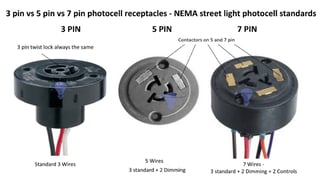
- Photocells or schedules make sense where light is needed through the night.
Common Mistakes to Avoid
- Promising that lighting alone handles property protection.
- Using excessive brightness instead of better aiming.
- Ignoring glare, sensor nuisance triggers, and wet-location rating.
Wall Security Lights Should Reduce Shadows, Not Create Glare
Wall-mounted LED floodlights can improve visibility around doors, docks, paths, and parking edges. They work best when aimed downward, shielded from direct eye view, and paired with photocells, timers, motion sensors, or dim-to-bright controls.
| Use case | Better choice |
|---|---|
| Door or loading area | Controlled wall light with enough spread for the activity zone. |
| Camera support | Even light that does not shine into the camera lens. |
| Neighbor-sensitive wall | Lower output, shielding, and careful aiming. |
More Details to Consider
Wall lights and security flood lights work best when they improve visibility without blinding people or cameras. Start by identifying the area that needs light: a doorway, path, loading dock, building perimeter, yard, sign, or parking edge.
Brightness alone does not create good security lighting. Mounting height, aiming, beam angle, shielding, motion settings, photocell operation, and color temperature all affect whether people can see clearly. Too much glare can hide detail instead of revealing it.
Security lighting should be part of a broader plan that may include cameras, locks, alarms, trimmed landscaping, and routine inspection. Lighting helps people see and respond; it should be treated as one part of a broader safety plan.
Frequently Asked Questions
- Are wall flood lights good for security?
- They can support visibility and cameras, but they do not replace locks, alarms, procedures, or response.
- Should wall flood lights be motion activated?
- Motion control is useful where activity is intermittent and nuisance triggering can be managed.
- What beam angle should I use?
- Use a wider beam for nearby broad areas and a narrower beam for longer throws.
- Can these lights bother neighbors?
- Yes. Use shielding, aiming, lower output, warmer CCT where appropriate, and schedules.

Ready to Upgrade Your LED Lighting?
Our lighting specialists can help compare fixtures, confirm light levels, and quote products that fit the site.
Call 800-674-9420 or email [email protected]
Monday-Friday, 8am-5pm PST

About the Author
Dara Greaney is founder and CEO of LED Light Expert with deep expertise in commercial LED lighting, retrofits, and photometric planning.
Editing by David Peguero

Trusted by Thousands
Our customers love us — and we love them back.


-
 Free Shipping
On orders over $49.00
-
 Free Extended Warranty
Up to 7 Years Free Warranty On LED Lights
-
100% Satisfaction Guarantee
