

Quick Answer
Lighting costs come from watts, run hours, controls, utility rate, and maintenance.
Lowering Lighting Electricity Costs
Lighting costs come from watts, run hours, controls, utility rate, and maintenance. LED upgrades can help, but the most reliable savings come from measuring the existing load and reducing unnecessary run time.
What to Check First
- List fixture count, watts, controls, and operating hours.
- Prioritize high-hour areas, exterior lighting, and fixtures left on by habit.
- Use sensors, timers, daylight controls, and maintenance records to keep savings real.
Application Decision Table
| Use Case | Practical Guidance |
|---|---|
| Homes | Use efficient bulbs, routines, and smart controls where they help. |
| Small businesses | Check signs, exterior lights, offices, and storage areas first. |
| Commercial sites | Use fixture inventory and utility rate to estimate savings. |
Common Mistakes to Avoid
- Relying on generic savings percentages.
- Leaving efficient lights on longer because they cost less to run.
- Ignoring old ballasts and controls.
Lighting Savings Start With Watts and Hours
The fastest way to estimate lighting savings is watts saved divided by 1,000, multiplied by hours of use and the utility rate. Controls matter because a lower-watt fixture still wastes money if it runs when no one needs it.
| Tip | Lighting action |
|---|---|
| Reduce watts | Replace inefficient lamps or fixtures with correctly sized LEDs. |
| Reduce hours | Use timers, photocells, occupancy sensors, or schedules. |
| Reduce waste | Clean lenses, aim fixtures, and avoid overlighting. |
More Details to Consider
5 Smart Tips to Lower Your Electricity Bill. What are the 5 ways to lower your electric bill? The 5 smart tips to lower your electricity bill include installing LED light bulbs, using motion sensor lights, adding solar panels or wind turbines, installing a smart or programmable thermostat, and analyzing and understanding your bill. Electricity bills can be a big burden on your monthly budget. If you are looking for ways to reduce your energy consumption and save money, here are some smart tips that can help you achieve that goal.
Install Energy-Efficient LED Light Bulbs. One of the easiest and most effective ways to save energy is to replace your old incandescent or fluorescent light bulbs with LED light bulbs. LED Light Bulbs use up to 80 percent less energy than traditional light bulbs and last much longer. They also provide better illumination and come in various colors and styles. You can install them everywhere in your home, from your living room to your outdoor spaces. The Department of Energy has long noted that efficient lighting can reduce household energy use, but actual savings depend on wattage, run hours, and utility rates.
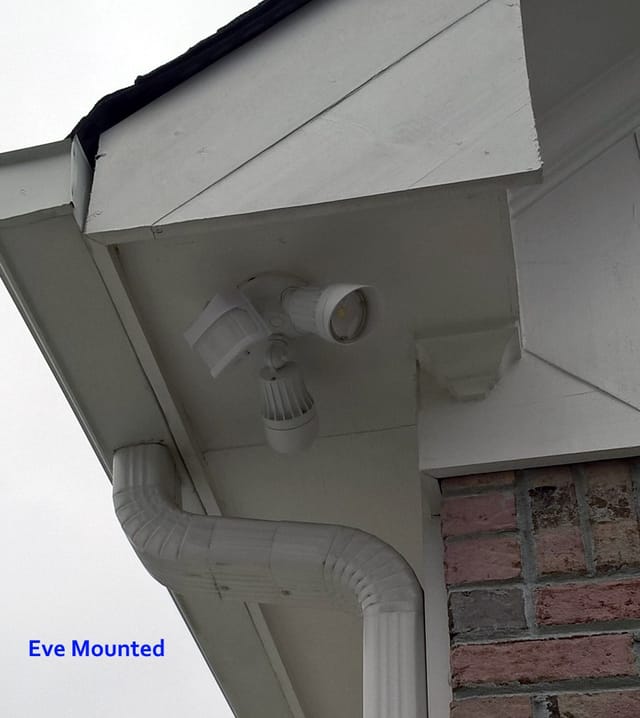
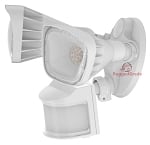
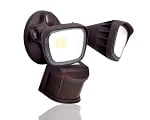
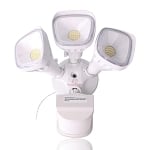
Use Sensor Lights for Indoor and Outdoor Spaces. Another smart tip to save energy is to use sensor lights that turn on and off automatically based on motion detection. Sensor lights are especially useful for areas where you don't need constant lighting, such as your kitchen, bathroom, bedroom, garage, or backyard. Sensor lights can help you avoid wasting energy by leaving the lights on when you are not in the room or when you forget to turn them off.
They can also improve visibility by turning on when movement is detected outside your home. Sensor lights can reduce lighting costs when they reliably turn lights off or dim them during unused periods. Motion sensor LED Lights are not just for indoors, use them around the outside of the house with motion sensor LED Wall Lights, in the garage light and any receptacles on the wall. Take advantage of energy savings and security upgrades. Add Solar Panels or Wind Turbines to Your Home.
If you want to generate your own clean and renewable energy, you can consider adding solar panels or wind turbines to your home. Solar panels and wind turbines can harness the power of the sun and the wind to produce electricity for your home. Depending on your location, climate, and energy needs, you can choose the best option for your home. Adding solar panels or wind turbines can reduce your dependence on the grid, lower your carbon footprint, and save you money on your electricity bills.
The initial cost of installing solar panels or wind turbines can be high, but you can recoup your investment in a few years through energy savings and incentives. The Department of Energy estimates that the average payback period for solar panels is 5 to 10 years while the average payback period for wind turbines is 6 to 15 years. With the cost of solar panels declining, it's becoming an increasingly appealing option for homeowners. In states with high energy consumption, such as California, the return on investment can be as short as 3-4 years.
For those considering solar, it's also worth looking into battery packs. While they can initially be expensive, rebates and incentives can reduce costs. Given the shift by many utilities to Time of Use Rates (TOU), battery packs can be a financially savvy investment in the long run. Install a Smart Thermostat or Programmable Thermostat. Heating and cooling are among the biggest energy expenses for most households. To save energy and money on your heating and cooling bills, you can install a smart thermostat or a programmable thermostat.
A smart thermostat is a device that can learn your preferences and habits and adjust your home temperature accordingly. It can also be controlled remotely through your smartphone or voice assistant, and provide you with energy reports and tips. A programmable thermostat is a device that can follow a preset schedule of temperature settings based on your daily routine. Both devices can help you avoid heating or cooling your home when you are away or asleep, and optimize your comfort when you are at home.
A smart thermostat or a programmable thermostat can save you up to 10 percent on your heating and cooling costs. Finally, to save energy and money, you need to analyze and understand your electricity bill. Your electricity bill can provide you with valuable information about your energy consumption, such as your usage patterns, peak hours, and rates. You can use this information to identify the sources of your high energy costs, such as your appliances, devices, or habits.
You can also use this information to compare different plans and providers and find the best deal for your needs. By analyzing and understanding your bill, you can make informed decisions and take action to reduce your energy consumption and save money. Consider a device like Kill-a-watt that can measure a device's actual power usage. Once you've found a culprit, you can work around your energy-consumption habit and fix the problem. These are 5 smart tips to lower your electricity bill.
By following these tips, you can easily save energy and money every month and enjoy a more comfortable and eco-friendly home.
Frequently Asked Questions
- What is the main point of Lowering Lighting Electricity Costs?
- Lighting costs come from watts, run hours, controls, utility rate, and maintenance.
- What should I check first?
- List fixture count, watts, controls, and operating hours.
- Do controls matter?
- Yes. Sensors, timers, dimmers, photocells, and schedules often determine how well the lighting works in daily use.
- When should I ask for help?
- Ask for help when layout, glare, wiring, controls, code, safety, or product compatibility is uncertain.

Ready to Upgrade Your LED Lighting?
Our lighting specialists can help compare options, confirm light levels, and quote products that fit the site.
Call 800-674-9420 or email [email protected]
Monday-Friday, 8am-5pm PST

About the Author
Dara Greaney is founder and CEO of LED Light Expert with deep expertise in commercial LED lighting, retrofits, and photometric planning.
Editing by David Peguero
Tagged Products

Trusted by Thousands
Our customers love us — and we love them back.


-
 Free Shipping
On orders over $49.00
-
 Free Extended Warranty
Up to 7 Years Free Warranty On LED Lights
-
100% Satisfaction Guarantee
