


Quick Answer
The right LED light depends on fixture type, base, voltage, lumens, CCT, CRI, beam angle, dimming, rating, controls, and installation method.
Shopping for the Right LED Lights
The right LED light depends on fixture type, base, voltage, lumens, CCT, CRI, beam angle, dimming, rating, controls, and installation method. Start with the application, then match the product.
What to Check First
- Identify base, fixture type, voltage, mounting, and environmental rating.
- Compare lumens and beam angle instead of old wattage.
- Check dimming, controls, listing, warranty support, and heat limits.
Application Decision Table
| Use Case | Practical Guidance |
|---|---|
| Bulb replacement | Match base, shape, enclosed rating, CCT, and dimmer compatibility. |
| Commercial fixture | Use light levels, mounting height, controls, and distribution. |
| Outdoor fixture | Check wet rating, shielding, CCT, and service access. |
Common Mistakes to Avoid
- Buying only by wattage.
- Ignoring base size, voltage, or enclosed-fixture rating.
- Assuming a long warranty solves poor product fit.
Start With Fit Before You Shop by Style
The best LED is the one that fits the fixture, electrical system, and lighting job. A standard household screw base in the United States is often E26, but many fixtures use different bases, voltages, shapes, or driver requirements. Match the basics first, then compare brightness and look.
| Buying checkpoint | What to verify |
|---|---|
| Base or mount | E26, E12, GU10, pin base, mogul base, retrofit kit, or full fixture. |
| Voltage and wiring | Line voltage, low voltage, ballast bypass, driver, or dimmer compatibility. |
| Brightness | Lumens and beam angle, not just replacement wattage. |
| Application rating | Wet location, enclosed fixture, high bay, outdoor, or hazardous location where required. |
More Details to Consider
A Guide to Help You Shop for the Right LED Lights. LED lights are the best choice for lighting your home or business, as they offer many benefits over traditional incandescent and fluorescent lights. LED lights are more energy-efficient, durable, long-lasting, and environmentally friendly. They also provide better lighting quality and performance. However, choosing the right LED lights can be tricky, as there are many factors to consider.
Here are some tips to help you shop for the right LED lights: • Check the wattage: Wattage is the amount of power that a light bulb uses. LED lights use much less power than incandescent and fluorescent lights, which means they produce more light with less energy. For example, a 12.5-watt LED bulb can produce the same brightness as a 60-watt incandescent bulb. You should look for the wattage that matches your lighting needs and preferences.
You can save money and energy by choosing a lower wattage bulb that provides enough light for your purpose. • Check the luminosity: Luminosity is the amount of light that a bulb produces. It is measured in lumens (lm), which indicate the brightness of the light. You should look for the lumen output that matches or exceeds your existing bulb. For example, if you want to replace a 400-watt metal halide bulb, you need between 12,000 and 18,000 lumens of LED light.
You can find a fixture in this range or visit our 100 watt and up Corn light page. There you will see bulbs of 100 watts, 120 watts or 150 watts. These are all common replacements for this wattage. • Check the warranty: Warranty is the written coverage that explains replacement terms, support limits, and the period covered by the seller or manufacturer. LED lights are very durable and long-lasting, but they may still fail or malfunction due to various reasons.
You should look for a light bulb that comes with written warranty support from the manufacturer or the seller. This makes replacement or refund terms clearer if you encounter a covered problem with your LED light. • Check the features: Features are the additional characteristics or functions that a light bulb may have. Some of the features that you may want to look for in an LED light are: • Heat capacity: This is the ability of a light bulb to withstand high temperatures and dissipate heat.
LED lights generate less heat than incandescent and fluorescent bulbs, but they still need proper cooling to maintain their performance and lifespan. You should look for a light bulb that runs cool and has a good heat sink design. • Dimming capability: This is the ability of a light bulb to adjust its brightness according to your preference or mood. Some LED lights can be dimmed with compatible dimmers or controllers, some will require a 0-10v connection. Dimming can also save energy and extend their lifespan.
You should look for a light bulb that has a dimming capability and is compatible with your existing dimmer or controller. • Color temperature: This is the color of the light that a bulb emits. It is measured in Kelvin (K) and ranges from warm white (2700K-3000K) to cool white (5000K-5700K). The color temperature you choose depends on your personal preference and the application. For indoor use, such as in living rooms, bedrooms, or offices, you may want a warm white or a neutral white color temperature.
For outdoor use, such as in parking lots, streets, or garages, you may want a cool white color temperature. • Check the base type: Base type is the shape and size of the socket that a light bulb fits into. LED lights come in different base types, such as E26 (standard), E39 (mogul), GU10 (pin), MR16 (spot), etc. You should look for a base type that matches your existing socket or fixture.
If you are not sure about your base type, you can measure the diameter of your socket or check the label on your existing bulb. • Check the certifications: Certifications are the approvals or accreditations that a light bulb has received from independent organizations or agencies that verify its quality, safety, performance, and compliance with standards and regulations. LED lights may have different certifications depending on their product type and market region.
Some of the common certifications for LED lights are: • UL: This stands for Underwriters Laboratories, which is the most recognized safety testing and evaluation agency in the United States. It is an independent, non-profit, and professional organization that provides public safety testing for products and components. UL certification means that a product has met UL's safety standards and requirements. • DLC: This stands for DesignLights Consortium, which is an organization that promotes energy efficiency and quality in commercial LED lighting solutions.
It is composed of utility companies, regional energy efficiency organizations, manufacturers, lighting designers, and government entities. DLC certification means that a product has met DLC's technical requirements and performance criteria. You should look for LED lights that have UL certification for safety and DLC certification for energy efficiency and quality. These certifications will also help you qualify for rebates and incentives from utility companies and government agencies. You can search for UL certified products on the UL Certification Database and DLC certified products on the DLC Qualified Products Lists.
Frequently Asked Questions
- What is the main point of Shopping for the Right LED Lights?
- The right LED light depends on fixture type, base, voltage, lumens, CCT, CRI, beam angle, dimming, rating, controls, and installation method.
- What should I check first?
- Identify base, fixture type, voltage, mounting, and environmental rating.
- Do controls matter?
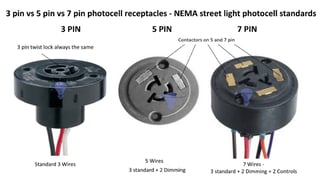
- Yes. Sensors, timers, dimmers, photocells, and schedules often determine how well the lighting works in daily use.
- When should I ask for help?
- Ask for help when layout, glare, wiring, controls, code, safety, or product compatibility is uncertain.

Ready to Upgrade Your LED Lighting?
Our lighting specialists can help compare options, confirm light levels, and quote products that fit the site.
Call 800-674-9420 or email [email protected]
Monday-Friday, 8am-5pm PST

About the Author
Dara Greaney is founder and CEO of LED Light Expert with deep expertise in commercial LED lighting, retrofits, and photometric planning.
Editing by David Peguero
Tagged Products
2 Comments
athena
good LED lights info
sanjeevani
Great post describing the useful information about led lights using in all application area. Thanks for sharing this useful ideas. Looking for more.


