

Quick Answer
LED bulbs can use less energy, reduce heat at the lighted area, support controls, and extend service intervals when chosen correctly.
Benefits of LED Light Bulbs
LED bulbs can reduce energy use, lower heat at the illuminated area, improve control options, and extend service intervals when the product matches the fixture. The benefits depend on choosing the right base, shape, enclosed-fixture rating, dimming compatibility, CCT, CRI, and beam angle.
What to Check First
- Match base, shape, voltage, fixture rating, and dimmer compatibility.
- Compare lumens, not old wattage labels.
- Use the room, task, color needs, and heat conditions to choose the bulb.
Application Decision Table
| Use Case | Practical Guidance |
|---|---|
| Table lamps and homes | Comfortable CCT, dimming, and enclosed-fixture rating often matter most. |
| Commercial lamps | Check operating hours, maintenance access, and product consistency. |
| Outdoor lamps | Use wet or damp rated products and protect controls from moisture. |
Common Mistakes to Avoid
- Putting an LED bulb in an enclosed fixture without checking the rating.
- Choosing a very cool CCT where comfort matters.
- Assuming all LED bulbs dim the same way.
Benefits That Matter Most
LED bulbs can reduce energy use, lower heat at the illuminated area, support more color options, and last longer than many older lamps when used within their rating. The useful question is not simply whether the bulb is LED. It is whether the base, voltage, dimmer, enclosure, beam angle, lumens, CCT, CRI, and heat rating fit the fixture.
| Benefit | What to confirm |
|---|---|
| Lower energy use | Compare actual watts and delivered lumens, not only old wattage equivalents. |
| Longer service interval | Check heat, enclosed-fixture rating, driver quality, and warranty. |
| Better control | Confirm dimmer, sensor, timer, or smart-control compatibility. |
| Color choice | Choose CCT and CRI for the room, merchandise, task, or outdoor visibility need. |
More Details to Consider
Understanding LED Light Bulbs: Efficiency, Versatility, and Innovation. LED light bulbs might seem unfamiliar in design, but they bring a myriad of advantages over traditional lighting solutions. LED stands for Light Emitting Diodes, which are tiny solid-state components designed for exceptional energy efficiency and longevity. Why Choose LED Over Traditional Bulbs? • Energy Efficiency: LEDs consume about 90% less energy than conventional bulbs, providing significant savings on electricity bills. • Durability: Unlike traditional bulbs, LEDs don't have filaments or glass enclosures, making them more resilient.
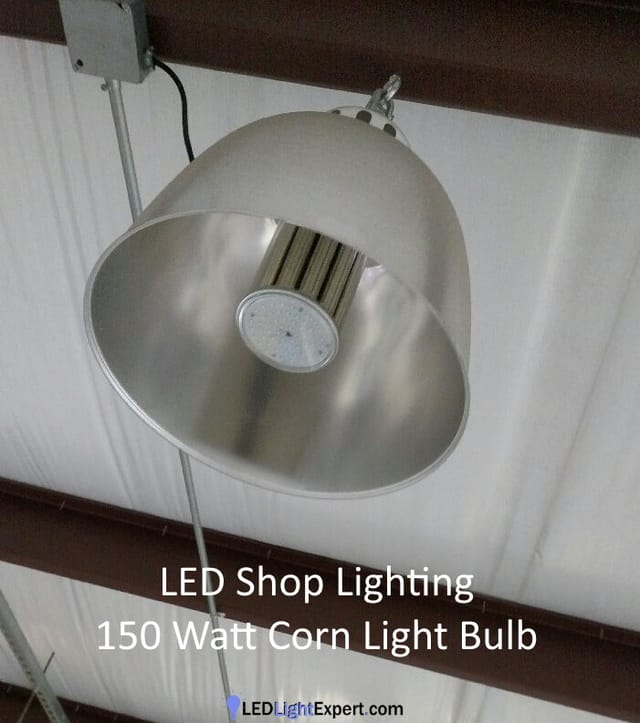
Some LED Light bulbs, such as LED Corn bulbs, can last up to an impressive 100,000 hours. • Safety and Environmental Impact: LEDs emit negligible amounts of UV rays and are mercury-free, making them safer for the environment and users alike. They also light up instantly without any warm-up time, produce significantly less heat, and come in more compact sizes. • Versatility: While many LEDs are designed to resemble traditional A19 or A21 bulbs, others exploit the unique capabilities of LEDs, resulting in innovative designs like the corn bulb.
LEDs are highly versatile and suitable for a wide range of applications: • Residential: Homes, safety lighting. • Commercial: Offices, streets, warehouses. • Specialized areas: Traffic management, military, industrial settings, automotive, architectural, aerospace, sports arenas, and stadiums. Their compact size and energy efficiency also pave the way for creative uses like lighting in shoes, skateboard wheels, and intricate accent lighting. The environmental impact of our lighting choices cannot be understated. Traditional fluorescent bulbs contain harmful mercury, posing health and environmental risks.
In contrast, LEDs are crafted from non-toxic materials and are recyclable, underlining their credentials as an eco-friendly lighting solution. The trajectory towards LED lighting is clear. There is a significant amount of effort being put into LED, estimated at over $12 billion a year. With companies investing heavily in making LEDs brighter and more efficient, and the U.S. Department of Energy aiming to cut electricity used for lighting by half through the adoption of LEDs, the future of lighting is set to be dominated by this technology.
Today, traditional incandescent bulbs are a rare sight in stores - U.S. rules ended most general-service incandescent sales in 2023. Are They Available In Different Colors? Unlike traditional bulbs that require filters to change color, LEDs can naturally produce a wide spectrum of Kelvin colors: 3000K: Warm white with a soft yellowish tint. 4000K: Natural white with an ivory or slightly yellow hue. 5000K: Pure white, often referred to as daylight white. 5700K: Bright white with a slight bluish undertone. Additionally, LED lights are available in specific colors like amber, blue, green, and red.
This versatility means they can cater to a vast array of aesthetic and functional requirements. Explore our diverse collection of LED fixtures and LED Light bulbs to discover the potential of this groundbreaking lighting technology.
Frequently Asked Questions
- What are the main benefits of LED bulbs?
- LED bulbs can use less energy, reduce heat at the lighted area, support controls, and extend service intervals when chosen correctly.
- Do controls matter?
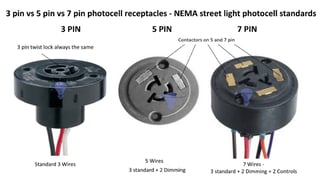
- Yes. Dimmers, sensors, timers, photocells, and schedules can change the value and performance of an LED project.
- What should I check before ordering?
- Check lumens, voltage, rating, mounting, controls, CCT, CRI, warranty, and installation requirements.
- When should I ask for help?
- Ask for help when wiring, photometrics, rebates, mounting, code, glare, or fixture compatibility matters.

Ready to Upgrade Your LED Lighting?
Our lighting specialists can help compare options, confirm light levels, and quote products that fit the site.
Call 800-674-9420 or email [email protected]
Monday-Friday, 8am-5pm PST

About the Author
Dara Greaney is founder and CEO of LED Light Expert with deep expertise in commercial LED lighting, retrofits, and photometric planning.
Editing by David Peguero

Trusted by Thousands
Our customers love us — and we love them back.


-
 Free Shipping
On orders over $49.00
-
 Free Extended Warranty
Up to 7 Years Free Warranty On LED Lights
-
100% Satisfaction Guarantee
