

Quick Answer
It depends on the space: offices, retail, warehouses, parking lots, signs, and exterior walls all need different fixture types.
LED Light Fixtures for Business
Business lighting should be selected by the work being done, the people using the space, operating hours, maintenance access, controls, and code requirements. A good business fixture is not just efficient; it is serviceable, comfortable, correctly distributed, and documented.
What to Check First
- Inventory current fixtures, wattage, mounting, controls, and pain points.
- Set target light levels, CCT, CRI, glare limits, and maintenance expectations by area.
- Compare high bays, panels, troffers, wall packs, flood lights, parking lot lights, and retrofit kits by application.
Application Decision Table
| Use Case | Practical Guidance |
|---|---|
| Retail | Color quality, comfort, contrast, and customer experience matter. |
| Warehouse or industrial | Uniformity, glare, controls, mounting height, and maintenance access matter. |
| Parking and exterior | Distribution, spill, dark-sky concerns, wet rating, and controls matter. |
Common Mistakes to Avoid
- Buying one fixture type for the whole building.
- Using a rebate list as a lighting design.
- Ignoring glare, emergency needs, and service access.
Business Fixture Selection Framework
A business lighting upgrade should start with the work being done in the space. Offices, warehouses, retail stores, factories, parking lots, loading docks, and hospitality areas need different light levels, glare control, color quality, mounting methods, and controls. A good fixture choice improves visibility and operating cost without making the space harsh or difficult to maintain.
| Business area | Common LED fixture | Selection priority |
|---|---|---|
| Warehouse or factory | High bays, linear high bays, task lights | Footcandles, uniformity, glare, sensor zones, and maintenance access. |
| Office or school | Panels, troffers, strips, downlights | Comfort, CCT, CRI, flicker, dimming, and code controls. |
| Retail | Track, downlights, panels, accent lights | Color quality, merchandising, glare, and visual hierarchy. |
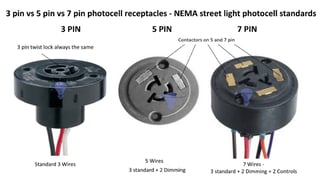
| Exterior | Parking lot lights, wall packs, flood lights | Security, spill control, wet listing, surge protection, and photocells. |
For larger sites, ask for a lighting layout before ordering. It can prevent overlighting, dark spots, glare complaints, and expensive fixture swaps after installation.
More Details to Consider
LED lights are becoming more popular and widely available in the market, as they offer many benefits over traditional lighting options. LED stands for light-emitting diode, which is a semiconductor device that converts electricity into light. LED light fixtures and LED light bulbs are more energy-efficient, long-lasting, durable, safe, and versatile than incandescent, fluorescent, or halogen lights. Lighting represents one of the largest portions of a building's energy use. If you don't have air conditioning it could be as high as 50%. This holds true particularly in the case of commercial establishments.
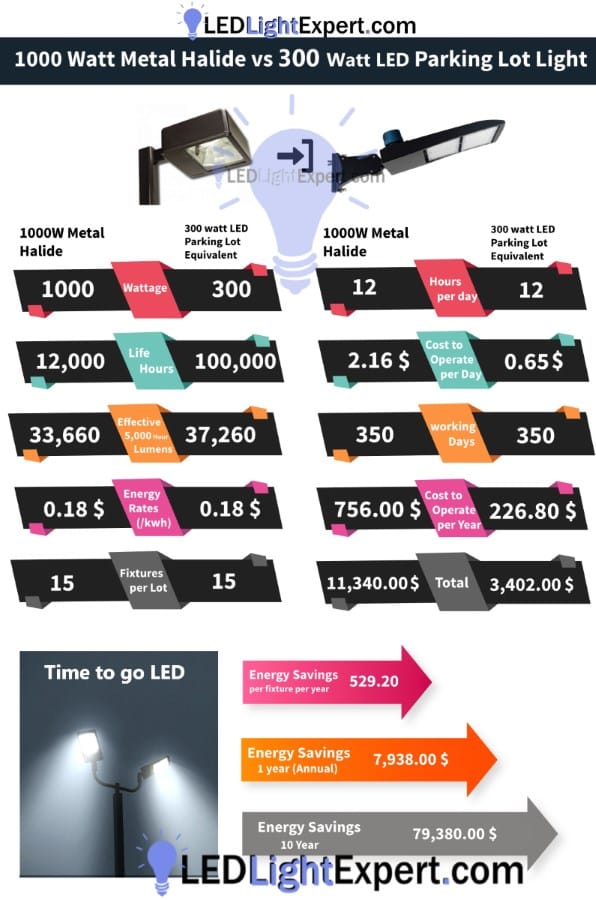
New tech is here to solve that; LED Corn bulbs and other LED lights can play a major role in bringing energy consumption down 60-90% compared to conventional lighting. Of course, this relies on the quality and also the quantity of your lighting requirements, but everyone can save energy, especially businesses. LED lights have many advantages that make them a smart choice for your lighting needs. LED lighting offers several advantages for businesses, making it a smart investment for any commercial or industrial setting.
Here are the key reasons why businesses should consider switching to LEDs: LED lights use up to 90% less energy than incandescent bulbs, and up to 80% less than fluorescent lights. This means they can reduce your electricity bills and carbon footprint significantly. Particularly for businesses with large-scale lighting requirements. By reducing energy consumption, businesses can allocate resources to other operational needs while contributing to a greener planet. According to the Consumer Energy Alliance, the average American household could save about $1,000 over a 10-year period by switching to LEDs.
In addition to lower energy costs, LEDs have a longer lifespan, reducing the frequency of replacements and maintenance expenses. This translates to significant savings over time. Businesses often see a return on investment in as little as 1-2 years, depending on their usage and the scale of their operations. LEDs are an environmentally friendly choice as they contain no hazardous materials, such as mercury, commonly found in fluorescent lighting. Their energy efficiency helps reduce carbon footprints, aligning with sustainability goals and corporate social responsibility initiatives.
Many businesses are using their switch to LED lighting as a way to bolster their environmental credentials, showcasing their commitment to greener operations. LEDs provide superior brightness, improved color rendering, and better uniformity in lighting compared to older technologies. LED lights produce bright and crisp light, with a high color rendering index (CRI) that shows the true colors of the objects and materials they illuminate. Enhanced lighting quality creates more inviting retail spaces, productive offices, and safer industrial environments.
LEDs also allow for greater customization, such as tunable color temperatures, enabling businesses to adapt lighting to specific needs or times of day. LED lights come in various shapes, sizes, and styles that can fit any space and design. They also have directional emissions, which means they can focus the light where you need it, without wasting energy or creating glare. LED lights can also be integrated with motion sensors, timers, or smart controls that can optimize the lighting performance and efficiency. Bright Lighting is Crucial for Businesses.
Proper lighting is a cornerstone of productivity, safety, and aesthetics in any business environment. In office settings, well-lit spaces boost focus, reduce eye strain, and improve overall employee satisfaction. Studies have shown that employees in well-lit work environments are more productive and less prone to errors. For industrial sites, warehouses, and parking areas, bright lighting enhances safety by reducing accidents and improving visibility. Bright lighting also deters theft and vandalism, providing a safer environment for employees and customers. Retail stores benefit from bright, uniform lighting that highlights products and creates an engaging shopping environment.
Strategic lighting can guide customers through a store, emphasizing key displays or promotional areas. Many industries have lighting regulations for safety and efficiency. LED lighting helps businesses meet these requirements. Adhering to lighting standards can also improve a business's reputation among clients and partners. Traditional bulbs frequently need replacements, adding to the cost of bulbs and labor, especially if it requires external assistance. Switching to LEDs can cut maintenance costs by about 75%, offering long-term financial benefits. How to Transition Your Business to LED Lighting.
Switching to LED lighting is a straightforward process that can yield significant benefits. Start by conducting a professional energy audit to assess your current energy usage and identify areas for improvement. This audit provides a clear understanding of potential savings and helps prioritize upgrades. Some utility companies offer free or subsidized energy audits, making it easier for businesses to take the first step. The wattage of the LED light indicates how much energy it consumes, not how bright it is.
To compare the brightness of LED lights with traditional lights, you should look at the lumens, which measure the amount of light produced. The higher the lumens, the brighter the light. As a quick guide: a 40 W incandescent is matched by a 4-5 W LED (about 450 lumens), a 60 W by a 6-8 W LED (800 lumens), a 75 W by a 9-13 W LED (1,100 lumens), and a 100 W by a 16-20 W LED (1,600 lumens).
Choosing the Right Lighting Partner: Work with a supplier that specializes in energy-efficient, business-grade LED products. Look for vendors with a proven track record, warranties, and robust customer support. A reliable partner can also help you navigate financing options or rebates to make the transition more cost-effective. Hire professionals to ensure proper installation, wiring, and fixture placement. This supports reliable performance and helps the installation follow applicable safety requirements. Professional installation can also minimize disruptions to your business operations during the transition.
Consider integrating motion sensors, programmable timers, and dimmable LED fixtures to maximize energy savings and enhance convenience. Smart lighting systems can be controlled remotely, allowing businesses to adapt lighting settings based on occupancy or time of day. Many local and federal programs offer rebates or tax incentives for businesses upgrading to LED lighting. These incentives can offset the initial costs and make the transition more affordable. Be sure to research eligibility requirements and deadlines to take full advantage of these opportunities. Many power companies offer rebates as incentives to switch to LEDs.
Additionally, federal programs like the Abandonment Tax Benefit and the 179D retrofit lighting tax deduction provide further incentives for businesses and property owners to Retrofit lights with LED. The color temperature of the LED light indicates how warm or cool the light appears, measured in kelvins (K). The lower the kelvins, the warmer the light; the higher the kelvins, the cooler the light.
As a quick guide: 2700 K is a warm, cozy white for bedrooms, living rooms, and dining rooms; 3000 K is a calm soft white for kitchens, bathrooms, and offices; 4000 K is an alert cool white for workshops, garages, and basements; and 5000 K is a bright daylight white for outdoor, security, and task lighting. Quality LED bulbs and fixtures can have long rated lifetimes, but actual service life depends on heat, driver quality, installation, and operating hours.
For most businesses, this translates to 10-15 years of use, even with regular operation. Longer-lasting bulbs mean fewer disruptions and lower maintenance costs over time. While the initial cost of LEDs may be higher than traditional lighting, the long-term savings in energy and maintenance outweigh the investment. Businesses often see a quick return on investment within a few years. LED costs have decreased significantly in recent years, making them more accessible than ever. Can I retrofit my existing fixtures with LED bulbs?
Yes, many retrofit kits are available to make existing fixtures compatible with LED technology. However, compatibility should be checked to ensure seamless integration. Retrofitting is often a cost-effective alternative to completely replacing fixtures. Do LEDs work well in cold climates? LEDs perform efficiently in extreme temperatures, making them ideal for outdoor use or refrigerated environments. Their durability in cold weather ensures consistent performance year-round, regardless of location. LED lighting offers unmatched benefits for businesses looking to improve energy efficiency, reduce costs, and enhance overall lighting quality.
By transitioning to LED technology, businesses not only save money but also contribute to a more sustainable future. Whether you're upgrading office spaces, retail areas, or industrial facilities, LEDs are the clear choice for reliable and efficient lighting solutions. With proper planning and the right partners, your business can enjoy the long-term advantages of LED lighting.
Frequently Asked Questions
- What LED fixtures should a business use?
- It depends on the space: offices, retail, warehouses, parking lots, signs, and exterior walls all need different fixture types.
- Do controls matter?
- Yes. Dimmers, sensors, timers, photocells, and schedules can change the value and performance of an LED project.
- What should I check before ordering?
- Check lumens, voltage, rating, mounting, controls, CCT, CRI, warranty, and installation requirements.
- When should I ask for help?
- Ask for help when wiring, photometrics, rebates, mounting, code, glare, or fixture compatibility matters.

Ready to Upgrade Your LED Lighting?
Our lighting specialists can help compare options, confirm light levels, and quote products that fit the site.
Call 800-674-9420 or email [email protected]
Monday-Friday, 8am-5pm PST

About the Author
Dara Greaney is founder and CEO of LED Light Expert with deep expertise in commercial LED lighting, retrofits, and photometric planning.
Editing by David Peguero

Trusted by Thousands
Our customers love us — and we love them back.


-
 Free Shipping
On orders over $49.00
-
 Free Extended Warranty
Up to 7 Years Free Warranty On LED Lights
-
100% Satisfaction Guarantee
