

Quick Answer
Start with high-hour, hard-to-maintain, hot, dim, or poorly controlled fixtures.
Switching to LEDs: Practical Uses and Planning
Switching to LEDs works best when each space is treated as its own lighting problem. Homes, shops, yards, offices, warehouses, signs, and seasonal lighting all have different priorities. The goal is not simply to replace every lamp with an LED version; it is to improve visibility, comfort, controls, and maintenance in the places that matter.
What to Check First
- Make a fixture list with location, old wattage, voltage, lamp type, base, controls, and operating hours.
- Prioritize high-hour, hard-to-service, dim, hot, or poorly controlled locations first.
- Choose product type by application: lamps, retrofit kits, strips, wall packs, floods, high bays, or full fixture replacement.
Application Decision Table
| Use Case | Practical Guidance |
|---|---|
| Outdoor security or yard lighting | Use shielded fixtures, photocells, motion settings, wet ratings, and careful aiming. |
| Garages and workshops | Use comfortable general light plus task lighting where shadows matter. |
| Decorative or seasonal lighting | Check cord ratings, damp or wet use, timers, and safe installation practices. |
Common Mistakes to Avoid
- Replacing lamps before checking dimmers, ballasts, and fixture condition.
- Using one color temperature throughout the property without considering the room or task.
- Keeping outdated controls that waste the value of the LED upgrade.
Where Switching to LED Usually Pays Off First
Start with lights that run many hours, are hard to access, or need better control. Parking lots, wall packs, high bays, canopy lights, shop lights, and security lights often show the fastest improvement because energy, maintenance, visibility, and controls all matter at the same time. Low-hour decorative lamps can wait unless color, heat, or replacement availability is the problem.
More Details to Consider
Lots of Great uses for LED Lights. (Updated: 06/15/2023, Revised: 10/16/2023, Revised 12/27/2023). The Wide-Ranging Applications of LED Lighting. LED lights have come a long way from being small, glowing diodes. They have now emerged as a powerhouse, proving their mettle across a spectrum of applications and industries. Their unique blend of energy efficiency, longevity, and stellar illumination quality make them the favored choice for the environmentally and economically conscious. This guide delves into the multifaceted applications of LED lights.
Indoor Applications. • Home Lighting with E26 LED Bulbs: Most American homes have around 43 light bulbs. Upgrading to a 12-pack of 60w-equivalent LEDs, complemented by 40w bulbs for bedrooms and 75w for larger areas, can lead to notable energy savings. A 3000K color temperature is generally preferred indoors for its warm tone, but bulbs come in any color imaginable. Use 5000K in the garage or work areas to see better.
Selecting the perfect color for your space is crucial in creating the desired ambiance and atmosphere. • Garage and Workshop Lighting: Garages require bright, reliable lighting. LED shop lights are ideal for everyday tasks, while UFO LED high bay lights suit larger or taller garages. • Kitchen and Living Area Upgrades: Replacing recessed can lights in kitchens and living areas with LED alternatives enhances both aesthetics and energy efficiency. • T8 lamps: Kitchens & offices frequently feature T8 fluorescent tubes, those long 4 foot fluorescent bulbs.
Transitioning them to LED versions can yield energy advantages. • LED Grow lights: For avid indoor garden enthusiasts and hydroponic fans, LED grow lights offer another benefit of LED. LED bulbs can offer wider color spectrum or just a specific color if needed. Due to the new technology that goes into building each LED light bulb, their lifespan is longer than most other forms of light bulbs. LED grow lights can last 50,000 to 100,000 hours, often several times the lifespan of other grow lights.
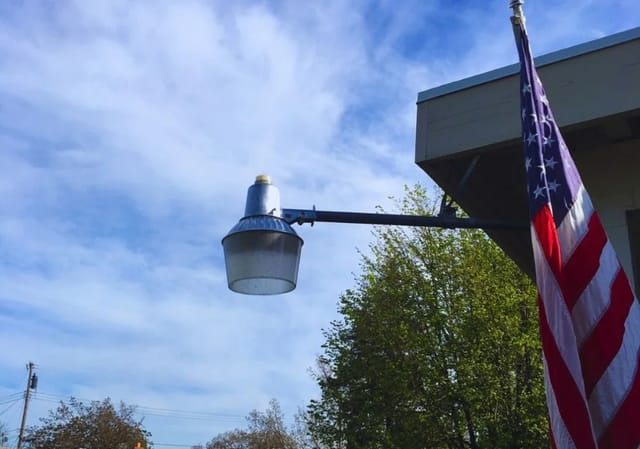
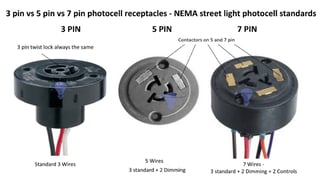
This means that in general you will be putting much less time and money on replacing bulbs, and you will not have to worry about bulb maintenance as you use it. Outdoor spaces illuminated by LED Lights not only consume less energy but also shine brighter, offering a twofold benefit. For external security, consider replacing the whole yard light or retrofitting existing fixtures with LED corn light bulbs. Choose one operating on photocell controls.
Models with dusk to dawn or photocell control can save a lot of energy. • LED Christmas Decorations: Decorating around your house with LED lights is not only a great way to save money, but they are usually much brighter. This leads to more attractive houses that really pop. With the low energy bill and reduced fire risk, you can really go big. Solar flood lights are great for lighting up the walls of your house. Add lots of lights plus decorations like stars, reindeer and a big ole Santa!
Decorating the Christmas tree is an exciting activity, especially for the kids. You need to hang the ornaments, bells and bright lights to bring the tree to life. LED lights are much more beneficial than traditional lights. They are low on electricity consumption and more enjoyable to look at. They tend to die less often and are easier to maintain over time. The fire safety of light-emitting diodes alone is worth the switch over. LEDs are safer and thus can be used safely for decoration around the table or as a centerpiece.
As these do not get very hot, they can be used with more delicate materials in the creation and blend right in. Strand lights can be placed on the table or hung nearby, making a beautiful and glowing appearance to light up all the food to be shared. • Motion Security Lights: Enhanced brightness and frequency in LED wall lights can be a deterrent for miscreants and unwanted animals, promoting safety. Having more lighting around your house has been directly linked to less crime and wandering animals.
Whether you choose a motion sensor light or a photocell light, you can go brighter and bigger. • LED Wall Lights: With the low cost of running LEDs you can now have LED wall lights that are smaller but brighter than ever. Light up the sides of your house or business for safety. • Garden and Welcome Path: Decorating the garden and the welcome path is much easier with LED landscape lights.
The path to your house or garden can be fully decorated with LED landscape lights that create an ambiance for your guests. The shrubs & trees in the garden can also be lit up with these easy-to-use landscape spot lights. Walls and other building areas can be decorated with these lights too. • Street & Area Lights brighten up the entry with powered parking lot lights or Solar Street lights. Safer and more welcoming while saving energy. Now is certainly a good time to go LED just about anywhere!
Frequently Asked Questions
- What should I replace with LEDs first?
- Start with high-hour, hard-to-maintain, hot, dim, or poorly controlled fixtures.
- Can I replace every bulb with LED?
- Often no. Some fixtures need compatible lamps, ballast bypass, new dimmers, or full fixture replacement.
- Where are LEDs most useful?
- They are useful in homes, shops, yards, offices, signs, warehouses, and seasonal lighting when selected for the application.
- Do controls matter when switching to LEDs?
- Yes. Photocells, motion sensors, dimmers, timers, and scheduling can improve the project when compatible.

Ready to Upgrade Your LED Lighting?
Our lighting specialists can help compare options, confirm light levels, and quote products that fit the site.
Call 800-674-9420 or email [email protected]
Monday-Friday, 8am-5pm PST

About the Author
Dara Greaney is founder and CEO of LED Light Expert with deep expertise in commercial LED lighting, retrofits, and photometric planning.
Editing by David Peguero

Trusted by Thousands
Our customers love us — and we love them back.


-
 Free Shipping
On orders over $49.00
-
 Free Extended Warranty
Up to 7 Years Free Warranty On LED Lights
-
100% Satisfaction Guarantee
