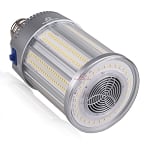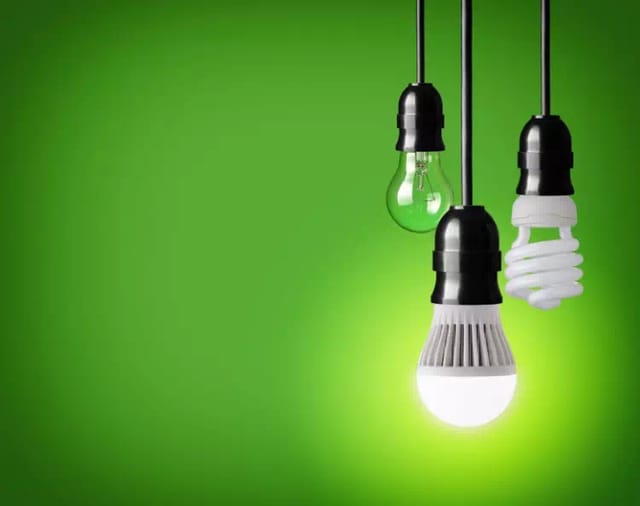
Quick Answer
LED lights are often better when the product matches the fixture, task, controls, and environment. They are not automatically better in every situation.
Why LED Lighting Is Often Better Than Traditional Lighting
LED lighting is often a better choice than incandescent, fluorescent, metal halide, and high-pressure sodium lighting because it can put more useful light where it is needed, use less electricity, pair with controls, and reduce routine lamp replacement. The important word is often: the product still has to fit the fixture, voltage, environment, and task.
What to Check First
- Compare delivered lumens and beam pattern, not wattage alone.
- Check CCT, CRI, glare, dimming, fixture rating, heat, and safety listing.
- For commercial sites, review controls, maintenance access, and rebate eligibility before ordering.
Application Decision Table
| Use Case | Practical Guidance |
|---|---|
| Incandescent replacement | LED lamps often reduce heat at the illuminated area and support longer service intervals. |
| Fluorescent replacement | Check ballast compatibility or bypass requirements, dimming, and color consistency. |
| HID replacement | Compare delivered light, optics, surge protection, controls, and fixture condition before retrofitting. |
Common Mistakes to Avoid
- Treating every LED product as a universal upgrade.
- Quoting energy or life claims without checking the actual product data and operating conditions.
- Ignoring glare, dimming compatibility, and fixture heat limits.
LED Benefits From the Original Guide, Updated
The original article focused on practical reasons people moved from traditional lamps to LED: lower energy use, longer service intervals, less heat at the illuminated area, instant start, controls, more shapes and color choices, and no mercury in the LED light source. Those are still useful decision points, but they should be checked against the actual product and site conditions instead of treated as automatic promises.
| Comparison point | Traditional lighting issue | LED selection note |
|---|---|---|
| Energy use | Incandescent, halogen, and HID systems often use more watts for the same useful task light. | Compare delivered lumens, fixture losses, operating hours, and controls before quoting savings. |
| Heat | Older sources can put significant heat into the lit area or fixture cavity. | LEDs still create heat at the driver and heat sink, so ventilation and temperature ratings matter. |
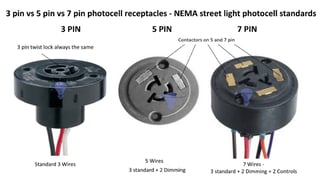
| Controls | Some older lamps have slow start, poor dimming, or limited sensor compatibility. | Match the LED driver to dimmers, sensors, photocells, timers, or smart controls. |
| Maintenance | Relamping can be expensive in high bays, poles, courts, and hard-to-reach fixtures. | Use rated life as a planning tool, then check warranty, driver quality, surge protection, and heat. |
LED Challenges Worth Checking
LED is not perfect by default. A poor retrofit can create glare, bad color, flicker, early driver failure, or uneven coverage. Narrow beam angles may require more fixtures, and enclosed or hot housings can shorten life. The best upgrade starts with the application: task, mounting height, beam spread, CCT, CRI, dimming, voltage, fixture condition, and safety listing.
LED vs Traditional Lighting by Source Type
Traditional lighting is not one category. Incandescent and halogen lamps are simple and warm, but most of their energy becomes heat. Fluorescent and CFL lamps improved efficiency for many years, but they bring ballast, dimming, color, cold-start, and mercury-handling issues. Metal halide and high-pressure sodium can produce a lot of light, but they usually have warm-up time, restrike delay, lumen depreciation, and more maintenance than a well-selected LED system.
| Older technology | Where it can still work | Why LED often replaces it |
|---|---|---|
| Incandescent / halogen | Short-use decorative or specialty lamps where warmth and dimming feel matter. | LED can cut heat and energy use while offering many warm CCT options. |
| Fluorescent / CFL | Legacy offices, utility spaces, and low-cost diffuse lighting. | LED removes ballast uncertainty, improves controls options, and avoids mercury lamp handling. |
| Metal halide | Older high bays, sports lights, parking lots, and industrial fixtures. | LED offers instant start, better optical control, slower lumen depreciation, and simpler dimming. |
| High-pressure sodium | Some legacy outdoor areas where color quality was not important. | LED improves color rendering, visibility, controls, and beam control. |
The best replacement is not always a one-for-one bulb swap. In commercial spaces, fixture condition, beam pattern, glare, emergency lighting, controls, and code requirements can make a full LED fixture a better answer than a retrofit lamp.
More Details to Consider
Why LED Lighting is better than Traditional Lighting. LED lighting can be better than traditional lighting for many reasons. LED lights are more energy-efficient, durable, versatile, and environmentally friendly than incandescent, fluorescent, or halogen bulbs. No surprise that LED has become the standard in lighting technology. What was once an early-adopter product is now the default choice. The shift towards green living plays well for LED lights, and households have embraced energy efficient LEDs.
Today, most homes and businesses use LEDs for their lighting needs. Here are some of the benefits and challenges of LED lighting: Benefits of LED lighting: • LED lights produce a clear, bright, and consistent light without the flicker and color shift that plague aging fluorescent and HID lamps.
They also come in a wide range of color rendering index (CRI) and color temperature (CCT) options, which means they can reproduce colors accurately and create different atmospheres and effects with the light. • LED lights use up to 90% less energy than incandescent bulbs and up to 50% less energy than fluorescent bulbs. This means they can save you a lot of money on your electricity bills and reduce your carbon footprint. LED lights also have a longer lifespan than other types of bulbs, lasting much longer when the fixture is properly cooled, specified, and installed.
This means they need to be replaced less often, saving you time and hassle. • LED lights come in a variety of shapes, sizes, colors, and styles, making them suitable for any space and application. You can also dim, switch on/off, or change the color or intensity of LED lights easily and quickly with wireless controls or smart devices.
You can also create different effects and patterns with the light, such as mood lighting, accent lighting, or task lighting. • LED lights generate less heat than other types of bulbs, which reduces the risk of fire or injury. They are also more resistant to shock, vibration, impact, heat, and weather conditions, making them more reliable and sturdy.
Many LED fixtures can handle vibration, cold starts, and outdoor conditions better than older lamp types when the fixture carries the right wet-location, temperature, and impact ratings. LEDs also do not contain mercury, which simplifies disposal compared with fluorescent lamps.
Mercury is highly toxic, so fluorescent lamps should be handled and recycled properly if they break or reach end of life. Challenges of LED lighting: • The initial cost of LED lights can be higher than traditional bulbs.
You will need to spend more upfront to get set up with LED lighting, but the cost savings down the road will more than offset the initial price. • Although LED lights produce much less heat than incandescent bulbs, you will still need to take heat production into account. This could potentially pose a problem where there are limited ventilation options available for cooling purposes. • LED lights with narrow beam angles may require additional lighting fixtures to get the desired light coverage in a room or area.
A fixture-level upgrade can cost more than a simple bulb swap, but it can improve beam control, uniformity, dimming, and maintenance access. For a home, shop, warehouse, or facility, compare the full lighting result: light level, glare, color quality, control options, safety listing, and long-term service needs.
Frequently Asked Questions
- Are LED lights better than traditional lights?
- LED lights are often better when the product matches the fixture, task, controls, and environment. They are not automatically better in every situation.
- Why do LEDs use less energy?
- LEDs convert more electrical power into useful visible light than many older lamp types, but compare delivered lumens and watts for the actual products.
- Do LEDs last longer?
- Many LED products are designed for longer service intervals, but heat, driver quality, power quality, and installation affect actual life.
- What should I check before switching?
- Check lumens, beam angle, CCT, CRI, dimming, safety listing, fixture rating, voltage, and heat conditions.

Ready to Upgrade Your LED Lighting?
Our lighting specialists can help compare options, confirm light levels, and quote products that fit the site.
Call 800-674-9420 or email [email protected]
Monday-Friday, 8am-5pm PST

About the Author
Dara Greaney is founder and CEO of LED Light Expert with deep expertise in commercial LED lighting, retrofits, and photometric planning.
Editing by David Peguero
Tagged Products