

Quick Answer
Use the actual rating instead of broad weather claims. Check wet-location, damp-location, IP rating, corrosion, dust, and mounting requirements.
Are LED Barn Lights Weather Rated?
Barn lights can be suitable outdoors or in rough farm environments when the product rating matches the site. Check wet-location or damp-location listing, IP rating, corrosion exposure, dust, insects, vibration, mounting, and controls instead of relying on vague weather claims.
What to Check First
- Check wet or damp rating, IP rating, housing material, and gasket design.
- Review dust, insects, washdown, vibration, and corrosion exposure.
- Use shielding and warm CCT where outdoor glare or neighbor spill matters.
Application Decision Table
| Use Case | Practical Guidance |
|---|---|
| Barn yard | Use shielded outdoor area light aimed at the work zone. |
| Pole barn interior | Use durable fixtures with appropriate dust/moisture protection. |
| Animal areas | Avoid harsh glare and protect fixtures from impact. |
Common Mistakes to Avoid
- Buying by wattage, product name, or old fixture type without checking delivered light and layout.
- Skipping safety listing, environmental rating, controls compatibility, or commissioning.
- Ignoring glare, maintenance access, documentation, and replacement availability.
What Weatherproof Means for LED Barn Lights
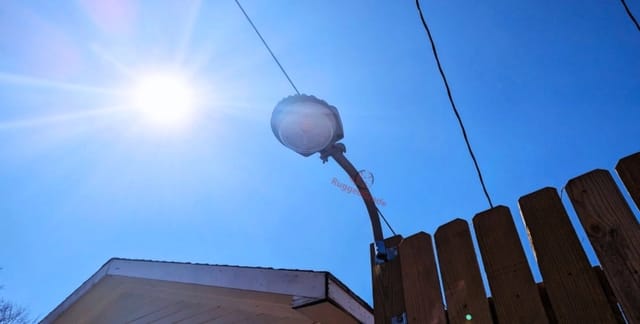
LED barn lights are often installed on barns, garages, sheds, workshops, driveways, service yards, and rural outbuildings where rain, dust, insects, wind, and temperature swings are normal. Weatherproof does not mean every fixture can handle every outdoor condition. The fixture should have the right wet-location rating, sealed lens, corrosion-resistant housing, and mounting hardware for the specific exposure.
Check the IP rating or wet-location listing before buying. A fixture under a deep roof overhang may face occasional moisture, while a light mounted on an exposed pole or gable may see direct rain, blowing snow, dust, and sun every season. In coastal or agricultural environments, corrosion resistance can matter as much as water sealing because salt, fertilizer, ammonia, and dust can shorten fixture life.
Photocells, Motion Sensors, and Rural Safety
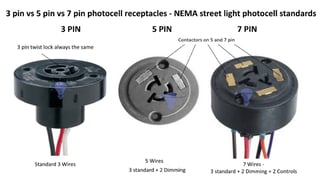
Many barn lights are used for dusk-to-dawn security or task lighting near doors, gates, equipment, livestock areas, and drive paths. A photocell can keep the light automatic, while a motion sensor can reduce runtime where full-night lighting is unnecessary. For work areas, choose a sensor strategy that does not leave people in the dark while carrying tools, feed, or equipment.
Mounting height and glare control matter. A bright barn light pointed outward can bother neighbors, drivers, animals, or people approaching the building. Shielded fixtures and careful aiming put light on the ground where it is useful. Warmer color temperatures can also be more comfortable around homes and animals than harsh cool-white light.
- Confirm wet-location rating, gasket quality, lens material, and corrosion-resistant hardware.
- Choose lumen output based on mounting height, door width, driveway length, and task area.
- Use photocells or motion sensors only when they match the safety needs of the site.
- Inspect seals, lenses, mounting screws, and sensor settings during seasonal maintenance.
Are LED Barn Lights Weatherproof: Buyer and Maintenance Checks
A good decision on weatherproof LED barn lights starts with the real installation conditions, not just the product name. Check the application, mounting height, voltage, light level, glare, controls, wet or dust exposure, service access, and whether a photometric layout or qualified installer is needed before ordering.
| Check | Why it matters |
|---|---|
| Application | Confirms the fixture, lamp, control, or accessory fits the actual space and task. |
| Mounting and wiring | Prevents fit, voltage, access, and safety problems during installation. |
| Controls and maintenance | Protects energy savings, usability, troubleshooting, and long-term performance. |
More Details to Consider
Barn lights can be weather-resistant, but the exact rating matters. Check wet-location listing, IP rating, gasket design, finish, mounting method, voltage, and whether the fixture will be under cover or fully exposed.
Outdoor agricultural and rural locations can include dust, insects, moisture, vibration, heat, cold, and long run hours. A fixture should be chosen for those conditions, not just for the barn-light shape.
For long service life, keep water from pooling around wiring entries, mount the fixture securely, and inspect lenses, gaskets, photocells, and mounting hardware during routine maintenance.
Frequently Asked Questions
- Are LED barn lights weather rated?
- Use the actual rating instead of broad weather claims. Check wet-location, damp-location, IP rating, corrosion, dust, and mounting requirements.
- What rating should outdoor barn lights have?
- For exposed outdoor use, look for fixtures listed for wet locations and appropriate for the mounting and environment.
- Do barn lights need shields?
- Outdoor barn lights often benefit from shielding to reduce glare, spill, and neighbor complaints.
- What CCT is best for barn lights?
- Neutral white is common for work areas. Warmer CCT may be better outdoors or near animals when visibility needs allow.

Ready to Upgrade Your LED Lighting?
Our lighting specialists can help compare options, confirm light levels, and quote the right products for your project.
Call 800-674-9420 or email [email protected]
Monday-Friday, 8am-5pm PST

About the Author
Dara Greaney is founder and CEO of LED Light Expert with deep expertise in commercial LED lighting, retrofits, and photometric planning.
Editing by David Peguero

Trusted by Thousands
Our customers love us — and we love them back.


-
 Free Shipping
On orders over $49.00
-
 Free Extended Warranty
Up to 7 Years Free Warranty On LED Lights
-
100% Satisfaction Guarantee
