LED lights have become a popular choice for businesses and homeowners, thanks to their energy efficiency and bright illumination. Birds, however, are quite fond of them too. One reason is the warmth that LED fixtures can generate. Even though LEDs run cooler than traditional bulbs, they still produce enough heat to offer a cozy spot for birds to rest or roost.
Another draw is the height. Exterior LED lights are often placed high on buildings, poles, or signage, which gives birds a safe vantage point away from predators. Plus, many installations are partially shielded or under small covers, making them excellent little shelters from the elements. Birds are always on the lookout for easy places to land, and your LED lighting setup might be an irresistible resting spot.
Common Issues Caused by Birds Nesting or Perching on Lights
While birds may seem harmless, having them linger on your LED lights can lead to several headaches. One of the most obvious is the mess of droppings. Bird droppings aren’t just unsightly—they can also harm the surface of the lights over time and reduce their brightness.
Nesting is another issue. Twigs, feathers, and other nest materials can gather around your fixtures, blocking airflow and trapping heat. This may cause your lights to run hotter than they should, putting stress on the internal components. Over time, the buildup of dirt and debris can reduce your lights’ efficiency, forcing you to clean or replace them more often.
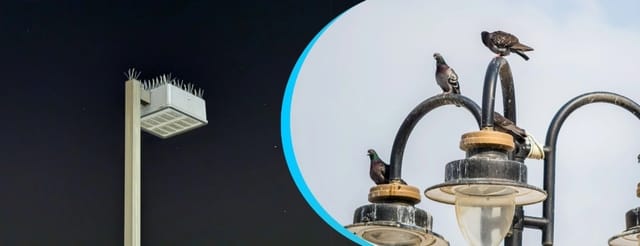
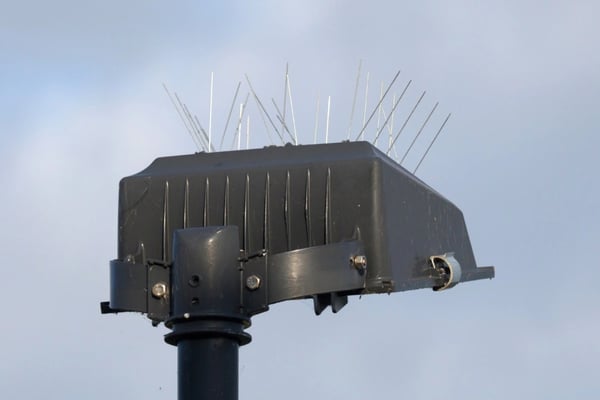
Bird spikes (also called bird deterrent spikes) create an uneven surface that birds can’t comfortably land on.
How Birds Can Damage LED Lights
Accumulation of Bird Droppings
When birds perch above or near your
LED fixtures, droppings will inevitably land on the lights. This buildup is more than just a cosmetic problem—bird droppings are acidic and can corrode surfaces over time. If these accumulate on the lens of an LED light, it can reduce the fixture’s brightness by blocking the beam.
Excess droppings not only affect light output but can also shorten the life of your fixtures. Regular cleaning can mitigate some of the damage, but it’s an ongoing chore. That’s why proactive solutions like bird spikes, bird control spikes, or bird scare devices can be a game-changer. These tools can help you figure out how to scare birds away before the mess piles up.
Nesting Materials Blocking Airflow and Overheating Fixtures
Birds often choose LED lighting fixtures as convenient nesting spots, especially those that offer a little overhang or built-in housing. Twigs, leaves, and other materials can gather around the LED’s ventilation areas, restricting airflow. Good airflow is important to keep electronic components from overheating.
Once heat is trapped, the fixture can run hotter than designed. Over time, this continuous heat stress can degrade the internal parts of your LEDs. While LEDs are generally more durable than older bulbs, they’re not invincible. Constant high temperatures can reduce performance, lead to flickering, and shorten the fixture’s lifespan.
Increased Maintenance Costs and Risk of Electrical Damage
Regularly cleaning droppings and removing nests can get expensive. It might require hiring specialized maintenance teams to scale tall buildings or tricky spots. And if the birds do significant damage—like pecking at wires or exposing electronics—repairs can add up quickly.
The risk isn’t just cosmetic or related to performance, either. Exposed electrical components can pose safety hazards if moisture or debris gets into wiring. If you neglect these issues for too long, the potential for a short circuit increases. That’s why many property owners invest in bird deterrent spikes or other devices to keep birds away before the damage escalates.
Legal Considerations
In some regions, certain bird species are protected by law. This means you might not be allowed to remove active nests or disturb protected birds. If you accidentally tamper with a nest in a restricted area, you could face fines or other penalties. Always check local regulations to ensure you’re within the rules. Preventative measures—such as installing bird control spikes—are typically permitted and can help you avoid legal complications down the road.
When you understand the full scope of how birds can harm your lighting, it’s easier to see why preventative measures are so valuable. There are effective strategies for how to scare birds away—and the best ones combine ease of use with lasting results. The following sections will explore these options in more detail, offering insights and tips on everything from bird scare devices to professional installation services.
Excess droppings not only affect light output but can also shorten the life of your fixtures
Effective Bird Deterrents For LED Lights
When you’re looking at how to scare birds away from your LED setups, you have plenty of options. From physical barriers like bird control spikes to high-tech sound devices, each solution has its own perks. Below are some of the most popular and effective bird deterrents to keep your lights free from mess and damage.
Bird Spikes
How They Work:
Bird spikes (also called bird deterrent spikes) create an uneven surface that birds can’t comfortably land on. Usually made of plastic or stainless steel, these spikes don’t harm birds; they just discourage them from roosting.
Benefits:
- Long-lasting and low-maintenance
- Effective for various bird sizes
- Easily installed on ledges, signs, and outdoor light fixtures
Proper Installation:
Bird spikes are typically secured with adhesive or screws. Placement is key—cover the entire surface so birds can’t sneak through gaps. Once installed properly, they’re nearly invisible from a distance, allowing your lighting fixtures to retain a clean look.
Bird Netting
Best Used For:
If you have large lighting fixtures or a group of lights in one area, bird netting can prevent birds from getting too close. It stretches over your lighting system, creating a barrier that’s tough for birds to penetrate.
Pros:
- Covers wide areas at once
- Durable if you invest in quality material
Cons:
- Can be more noticeable and may affect the aesthetic of your lighting
- Needs to be installed correctly to avoid sagging or gaps
If you have large lighting fixtures or a group of lights in one area, bird netting can prevent birds from getting too close
Shock Tracks
Shock tracks are thin, electrically charged strips that can be laid along surfaces where birds often land. When a bird attempts to perch, they receive a harmless but startling shock. This quickly teaches them to stay away.
Key Considerations:
- Installation typically requires professional help
- Ideal for large commercial buildings or areas with heavy bird traffic
- May require more upfront investment but offers powerful results
Reflective Devices
Using Light and Movement to Scare Birds Away:
Reflective tape or hanging mirrors can keep birds on edge by sending unexpected flashes of light around the area. Some options even spin or move with the wind, adding motion that birds find unsettling.
Though these bird scare devices can work, they might be less effective over time if birds get accustomed to them. For best results, combine reflective items with another form of deterrent, like bird control spikes.
Ultrasonic Bird Repellers
Ultrasonic devices emit high-frequency sounds that humans can’t hear, but birds and some animals find irritating. They’re generally used for larger spaces and can be placed near LED lights to discourage birds from hanging around.
Effectiveness:
- Works well in semi-enclosed areas
- May lose effectiveness if birds realize there’s no real danger
- Combining sonic devices with physical barriers like bird deterrent spikes usually yields the best results
Each of these methods has its strengths. The trick is choosing a deterrent—or combination of deterrents—that suits your specific lighting setup and budget. Bird spikes are often the first choice because they’re straightforward, durable, and effective for most scenarios. But if you have larger spaces or heavy bird traffic, shock tracks, netting, or ultrasonic solutions might be more appropriate.
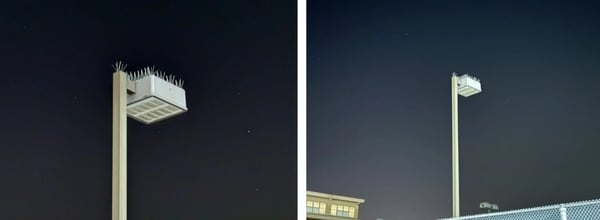
Bird Spikes: Once installed properly, they’re nearly invisible from a distance, allowing your lighting fixtures to retain a clean look.
How To Install Bird Spikes On LED Lights
So you’ve decided that bird spikes are the way to go. Good choice—they’re one of the most direct and long-lasting solutions. But proper installation is crucial if you want to maximize their impact and keep those feathered friends from turning your LED fixtures into a roost.
Choosing the Right Type of Bird Spikes
Start by assessing the location and
type of LED lights you have. Look for the material and size of bird spikes that match your environment:
- Material: Plastic spikes are usually cheaper and more lightweight, while stainless steel options are more durable. Both types are designed to be humane.
- Spike Height: If you’re dealing with larger birds like pigeons or seagulls, go with taller spikes. Smaller spikes work well for sparrows and similar species.
- Coverage Area: Measure the length of each fixture or ledge to make sure you get enough spikes to cover the entire surface.
Step-by-Step Guide to Installation
- Clean the Surface: Remove any bird droppings, debris, or old nest material from your LED fixture. Wipe it down with a mild cleaning solution or isopropyl alcohol, then let it dry thoroughly.
- Mark the Placement: Line up the bird control spikes where you plan to secure them. Use a pencil or marker to note the spots.
- Apply Adhesive or Screws: Some spikes come with adhesive strips, while others need a specialized glue or screws. Follow the product’s instructions, making sure to anchor them firmly in place.
- Press and Hold: If you’re using adhesive, press the spike strip down for a few seconds to help it bond. Check that each strip is firmly attached with no gaps.
- Double-Check Alignment: You don’t want birds finding a little gap to squeeze through. Ensure each strip aligns with the next so there’s a continuous barrier.
- Allow to Cure (If Applicable): If you’re using glue, let it cure according to the manufacturer’s recommendation before testing or cleaning further.
Best Practices to Ensure Long-Term Effectiveness
- Routine Inspection: Check the spikes periodically to make sure they’re still firmly in place. Weather changes or debris can weaken the adhesive over time.
- Combine with Other Deterrents: If you notice persistent bird activity, consider adding reflective tape or an ultrasonic device for extra security.
- Keep It Clean: Even though the spikes discourage birds, dust and other buildup can still collect. Wipe down the spikes and the fixture occasionally to keep everything looking and working great.
Common Mistakes to Avoid
- Leaving Gaps: Even small gaps give determined birds a spot to land or nest. Make sure the spikes cover all surfaces where birds might roost.
- Using the Wrong Materials: Plastic spikes might crack in extreme climates, and metal spikes could corrode if not stainless steel. Pick the best option for your environment.
- Neglecting Maintenance: Bird spikes are low-maintenance but not maintenance-free. Inspect them regularly to prevent bigger issues down the line.
Installing bird spikes on your LED lights is a straightforward process that can save you time, money, and frustration in the long run. It’s a reliable, humane way to solve your bird problems while preserving the quality and efficiency of your lighting. If you’re still unsure about how to scare birds away, the next sections will cover more tips and solutions to keep your
LED fixtures bird-free.
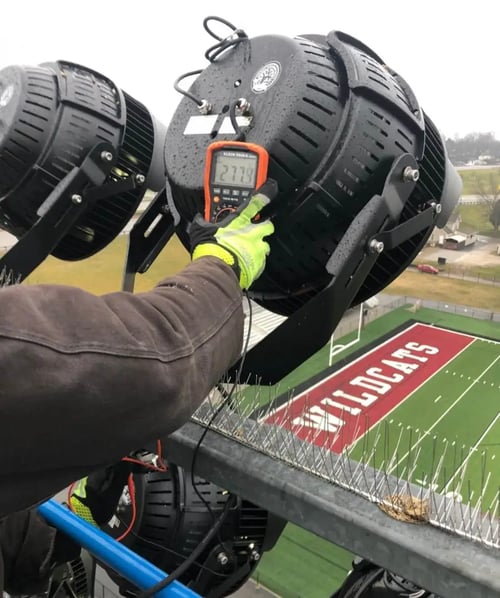
LED Stadium Lights Installation with bird spikes - LED Light Expert
Alternative Solutions for Bird-Proofing LED Lights
Sometimes bird spikes aren’t the only strategy you’ll need. Every property has unique challenges, and it’s worth exploring other methods if you’re still figuring out how to scare birds away effectively. Below are additional tactics you can try, either on their own or in tandem with bird deterrent spikes.
Using Motion-Activated LED Deterrents
Motion-activated devices use sensors to detect a bird’s presence and respond with a sudden flash of light or burst of sound. These quick, unexpected stimuli can be an effective way to keep birds on their toes, especially in areas where they’re used to consistent light or noise patterns. By introducing an element of surprise:
- Versatility: Motion-activated lights can be set to flash or strobe, disrupting birds without affecting your primary lighting.
- Minimal Disruption to Humans: The bursts are generally brief and targeted, so they won’t cause constant annoyance to people nearby.
- Low Maintenance: Once installed, they function automatically, although you’ll need to ensure the sensors remain clear of debris.
- One consideration: Over time, some birds may adapt if the pattern becomes too predictable. For this reason, combining motion-activated LED deterrents with bird control spikes or other methods can strengthen your defense.
Adjusting the Angle or Design of the Light Fixture
If your fixtures are easily accessible or invite birds to perch, a simple redesign might work wonders. Adjusting the tilt or shape of your fixtures so they’re less bird-friendly can help. For example:
- Angled Housings: A steep angle can make it hard for birds to get a solid footing.
- Smooth Surfaces: Avoid ledges or ridges where nests could be anchored.
- Protective Covers: Some fixtures come with built-in covers that shield bulbs and wiring, making them less appealing to birds seeking shelter.
While this approach might require replacing or retrofitting your current fixtures, it can reduce long-term maintenance costs. By making your LED setups less cozy for birds, you’re essentially removing the welcome sign before they even show up.
Regular Cleaning and Maintenance to Prevent Nesting
The presence of bird droppings or partially built nests can signal to other birds that your lights are a safe spot. Consistent upkeep
keeps your fixtures clean and less attractive:
- Frequent Inspections: Identify any nesting activity early.
- Removal of Debris: Clear out any twigs or leaves before they become a solid nest.
- Surface Treatment: Some property owners use mild repellents or coatings that don’t damage the fixtures but make them less appealing for roosting.
Regular maintenance is an ongoing commitment, but it’s often the easiest way to ensure your LED lights stay in top shape. Pairing a consistent cleaning schedule with bird scare devices can improve your odds of staying bird-free.
While birds may seem harmless, having them linger on your LED lights can lead to several headaches
Where Bird Deterrents Are Most Needed
Not every LED light setup faces the same bird challenges. Some installations are magnets for flocks, while others see only the occasional feathered visitor. Below are the areas where bird deterrent spikes and other methods can make the biggest difference.
Streetlights and Parking Lot Lights
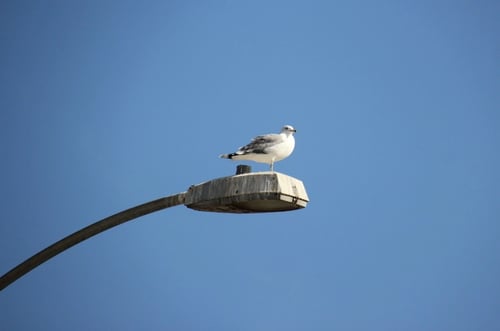
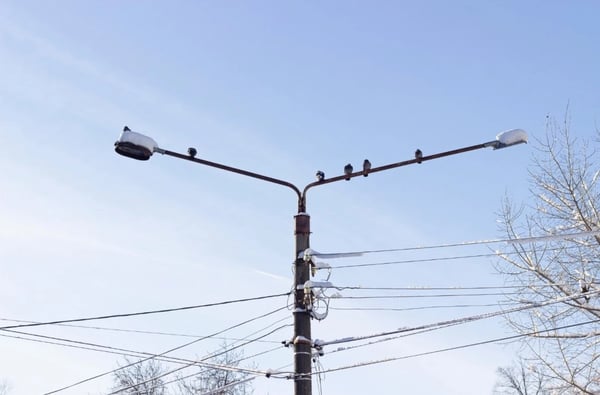
Streetlights and parking lot lights are typically mounted on tall poles that serve as perfect perches. Birds can rest high above ground, watch for predators, and find warmth from the fixture. The droppings left behind can be hazardous for pedestrians and vehicles. By installing bird spikes along the top edge or around the fixture, you can cut down on mess and extend the life of the bulbs.
- High Traffic: Lots of cars and people means droppings and debris spread quickly.
- Accessibility: Maintenance crews may only check these lights occasionally, so prevention is key.
- Safety Concerns: Excess droppings on walkways can be slippery, and damaged wiring poses a potential risk.
Stadium and Sports Field Lighting
Stadiums are notorious for bird issues. Large floodlights are mounted high and often create warm pockets that birds love. In addition, wide ledges and catwalks around these lighting systems offer plenty of roosting space.
- Large Surface Area: Birds have countless spots to land, making thorough coverage crucial.
- Expensive Equipment: Stadium lights can be costly, so protecting them from overheating or damage is well worth the investment.
- Event Distractions: The last thing you want during a game or event is a flurry of birds around the lights.
Combining bird scare devices, such as reflective tapes or motion-activated lights, with bird control spikes on the fixtures themselves can significantly reduce bird activity.
Commercial and Industrial Outdoor LED Lighting
Factories, warehouses, and large commercial properties often use powerful
outdoor LED lighting to illuminate expansive outdoor areas. High ceilings, big loading docks, and overhead structures become attractive real estate for birds seeking shelter.
- Operational Efficiency: Bird droppings or nesting materials can block sensors, reduce light output, and even damage wiring.
- Strict Safety Standards: Businesses must comply with health and safety regulations, and bird infestations can violate these.
- Multiple Entry Points: Birds can easily slip through open doors or vents, making it important to protect both the interior and exterior lighting.
In these settings, shock tracks or ultrasonic bird repellers might be worth considering, especially if the bird population is large and persistent.
Security and Floodlights in Warehouses and Factories
Security lighting must remain clear and reliable 24/7. Unfortunately, these lights are often mounted on rooftops or elevated walls, turning them into prime roosting spots.
- Vulnerability to Debris: Dust, dirt, and bird droppings can quickly accumulate, dimming the lights or causing them to overheat.
- Costly Downtime: If a security or floodlight fails due to bird damage, the resulting downtime could jeopardize safety.
- Legal and Insurance Implications: Some insurance policies may require regular maintenance and proof that you’ve taken steps to mitigate hazards like bird infestations.
For these lights, bird deterrent spikes offer a straightforward fix. In certain cases, you might add netting over large fixtures to completely bar entry. If you need a more advanced system—especially in hard-to-reach areas—shock tracks or professional-grade sonic devices can help reinforce your defense.

Streetlights and parking lot lights are typically mounted on tall poles that serve as perfect perches
Conclusion
Birds can bring a touch of nature to our cityscapes, but they can also create big headaches for anyone tasked with maintaining LED lights. From droppings that corrode surfaces to nesting materials that block airflow, the harm caused by roosting birds often comes with a high price tag in cleaning, maintenance, and repairs. Thankfully, a range of solutions exists to help you figure out how to scare birds away without causing them harm.
Ultimately, protecting your LED lights is about balancing efficient operation with humane bird control. By mixing smart design changes, regular upkeep, and the right combination of bird scare devices, you can keep your fixtures shining brightly and bird-free. Your investment in deterrents will pay off in fewer repairs, better light performance, and the peace of mind that your lighting system remains in top shape—all without harming our feathered friends.





 Free Shipping
 Free Extended Warranty