


Quick Answer
Turn power off, clean the lens and housing, inspect gaskets and wiring entries, test controls, check aiming, and document issues.
LED Wall Pack Maintenance
Wall packs work hard outdoors. They face heat, rain, dust, insects, UV exposure, vibration, photocell cycling, and occasional impact. Maintenance should protect light output, controls, safety, and aim without turning the fixture into a monthly burden.
What to Check First
- Clean lenses and housings after power is off, using methods approved for the fixture.
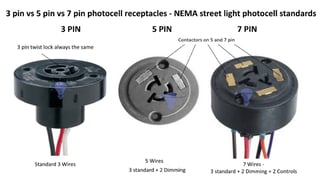
- Inspect gaskets, hinges, conduit entries, photocells, motion sensors, wire guards, and wall seals.
- Confirm the fixture is still aimed where light is needed and not spilling into windows, roads, or neighboring properties.
Application Decision Table
| Use Case | Practical Guidance |
|---|---|
| Lens dirt or yellowing | Reduces delivered light and can make users compensate with excessive output. |
| Photocell or sensor issues | Can leave lights on all day, off at night, or cycling incorrectly. |
| Water intrusion | Requires prompt review of gasket condition, conduit entry, wall seal, and fixture orientation. |
Common Mistakes to Avoid
- Assuming a wet-location fixture can be washed any way the crew wants.
- Replacing photocells or sensors without checking compatibility and settings.
- Letting glare complaints continue when shields, aiming, or output settings could help.
Wall Pack Maintenance Is Mostly Cleaning, Seals, and Controls
LED wall pack maintenance should include lens cleaning, gasket checks, conduit entry inspection, driver symptoms, photocell testing, motion sensor settings, corrosion, mounting hardware, and records of replacements.
| Task | What to note |
|---|---|
| Clean lens | Dirt, yellowing, cracks, and water marks. |
| Inspect seals | Gaskets, conduit entries, insects, and moisture. |
| Test controls | Photocell, timer, sensor range, and override behavior. |
More Details to Consider
Maximizing Performance: A Comprehensive Guide on How to Keep Your LED Wall Packs Shining Bright. In the rapidly evolving world of outdoor lighting, LED wall packs stand out as the top choice, offering energy efficiency and durability. To ensure these fixtures continue to shine brightly over time, meticulous care and maintenance are crucial.
In this comprehensive guide, we will delve into the critical components of LED wall packs, stress the importance of regular cleaning, highlight the significance of checking and tightening connections, explore the benefits of smart controls, underscore the necessity of an IP65 rating for outdoor LED wall lights, and provide additional insights to enhance the longevity of your lighting investment. What are the Components of LED Wall Packs. LED wall light packs are intricate systems comprised of several vital components that collaborate to illuminate outdoor spaces efficiently.
Understanding these components helps for effective maintenance and to maximize the longevity of LED wall packs. LED Chips: LED chips, acting as the core, convert electrical energy into radiant light. Regular inspection ensures all chips function optimally. Heat Sink: This component dissipates the heat generated by LEDs, preventing overheating and supporting reliable performance. Lens and Reflector: Responsible for controlling light distribution, enhancing illumination in specific areas, and directing light effectively.
Housing: The external shell safeguards internal components from environmental elements, underscoring the need for routine checks to detect cracks or damage promptly. From a client's standpoint, comprehending these components is invaluable for multiple reasons. It enables informed decision-making during the initial purchase, ensuring the selection of products with robust components for extended lifespans and diminished maintenance costs. Furthermore, knowledge of the components empowers clients to conduct basic troubleshooting and maintenance, preserving the integrity of their LED wall packs. Why Cleaning Your LED Wall Lights Matters.
Regular cleaning stands as a fundamental pillar of LED wall pack maintenance. The accumulation of dust, dirt, and environmental factors can tarnish overall performance and compromise the lifespan of the lights. Here's a step-by-step guide for clients to efficiently clean their LED wall packs: Turn Off the Power: Always prioritize safety by turning off the power supply before initiating any cleaning process. Use a Soft Cloth or Sponge: Gently wipe the surfaces with a soft cloth or sponge to remove accumulated dirt and grime.
Mild Cleaning Solution: For stubborn stains, a mild cleaning solution (water and a small amount of mild detergent) can be used. Harsh chemicals should be avoided to prevent damage. Rinse Thoroughly: After cleaning, thoroughly rinse the wall pack with clean water to eliminate any residue. Allow to Dry Completely: Ensure the wall pack is completely dry before restoring power. How to Check and Tighten Connections on LED Wall Lights? Loose electrical connections can significantly impact the performance of LED wall packs, leading to flickering lights, reduced brightness, or even complete failure.
Understanding the ramifications of loose connections is crucial for maintaining optimal performance. Loose wiring can result in voltage drops, increased heat generation, and potential damage to internal components, jeopardizing the overall functionality of the LED wall pack lights. Follow this checklist to help you inspect and tighten electrical connections safely: Turn Off Power: Always turn off the power supply before attempting any maintenance on the LED wall pack. Visual Inspection: Carefully inspect all wiring and connections for signs of wear, corrosion, or looseness.
Use Appropriate Tools: If any connections appear loose, use the appropriate tools to tighten them. Avoid over-tightening, as this can lead to damage. Professional Assistance: If clients are unsure or encounter any issues during the inspection, recommend seeking professional assistance to avoid any potential safety hazards. What Are the Benefits of Smart Controls and Monitoring Systems. The integration of smart controls and monitoring systems amplifies the efficiency and functionality of LED wall packs, delivering both energy savings and an extended lifespan. The main benefits of Smart Controls are the following:
Smart controls allow for precise control of light output, adapting to specific needs and reducing energy consumption. Clients can remotely monitor the performance of their led wall pack lights, enabling proactive maintenance and issue resolution. Why is it Important to Look for IP Rating IP65 LED Wall Lights. The outdoor environment subjects LED wall lights to various weather conditions, making the Ingress Protection (IP) rating a critical consideration for performance and longevity. Explaining the Importance of IP65 Outdoor Rated:
Weather Resistance: The IP65 rating ensures that LED wall packs are dust-tight and protected against water jets, making them suitable for outdoor use in various climates. Durability: With an IP65 rating, LED wall packs are better equipped to withstand the challenges of rain, snow, and extreme temperatures, prolonging their lifespan. Additional Tips for Optimal LED Wall Pack
Performance
In addition to the fundamental maintenance practices mentioned earlier, consider the following tips to further enhance the performance and longevity of your LED wall packs:
Scheduled Inspections: Establish a regular schedule for thorough inspections of your LED wall packs. This proactive approach can help identify potential issues before they escalate. Professional Maintenance: While clients can handle basic maintenance, encourage them to engage professional services for periodic, in-depth inspections and maintenance. Professionals can identify and address issues that might go unnoticed during routine checks. Environmental Considerations: Be mindful of the specific environmental conditions in the installation area. If the site is prone to excessive dust or extreme temperatures, more frequent cleaning and maintenance might be necessary.
Upgrades and Retrofits: Stay informed about advancements in LED technology. Periodically assess the compatibility of your LED wall packs with newer, more energy-efficient components or controls. Upgrades and retrofits can further enhance performance and energy savings. In conclusion, maintaining the performance of LED wall packs involves understanding their components, regular cleaning, checking and tightening connections, integrating smart controls, selecting lights with the appropriate IP rating, and implementing additional tips for optimal performance.
By following these comprehensive guidelines and incorporating the latest industry practices, clients can ensure their outdoor LED wall lights continue to illuminate spaces effectively for years to come.
Frequently Asked Questions
- How do you maintain LED wall packs?
- Turn power off, clean the lens and housing, inspect gaskets and wiring entries, test controls, check aiming, and document issues.
- How often should wall packs be inspected?
- Inspect them at least on a planned schedule, with more frequent checks in dusty, coastal, wet, or high-traffic areas.
- Can wall packs be pressure washed?
- Only if the fixture and installation are rated for that cleaning method. Many fixtures should be cleaned more gently.
- Why do wall packs fail?
- Common causes include water entry, heat, driver failure, surge exposure, damaged photocells, loose wiring, and impact.

Ready to Upgrade Your LED Lighting?
Our lighting specialists can help compare options, confirm light levels, and quote products that fit the site.
Call 800-674-9420 or email [email protected]
Monday-Friday, 8am-5pm PST

About the Author
Dara Greaney is founder and CEO of LED Light Expert with deep expertise in commercial LED lighting, retrofits, and photometric planning.
Editing by David Peguero

Trusted by Thousands
Our customers love us — and we love them back.


-
 Free Shipping
On orders over $49.00
-
 Free Extended Warranty
Up to 7 Years Free Warranty On LED Lights
-
100% Satisfaction Guarantee
