Illuminating Safety: The Role of LED Contractor Lights in Construction Site Security
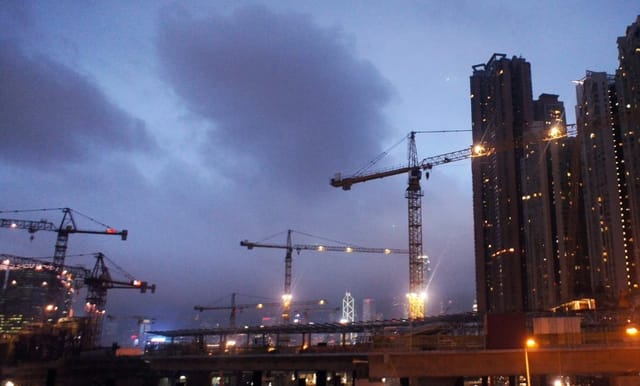
In the dynamic and often hazardous environment of a construction site, safety is a top priority. One crucial aspect that significantly contributes to a secure and safe worksite is effective lighting — OSHA 29 CFR 1926.56 codifies minimum foot-candle levels, and the Bureau of Labor Statistics records that inadequate lighting contributes to roughly 20 percent of fatal struck-by and fall-from-elevation incidents on construction sites. This blog post delves into the key role of LED contractor lights in enhancing construction site safety and security.
These advanced lighting solutions not only provide necessary visibility but also play a crucial role in deterring security threats and facilitating emergency response. Modern LED fixtures now deliver 140 to 160 lumens per watt, instant-on output, and 50,000 to 100,000 hours L70 rated life — numbers that simply don't exist in the legacy metal halide and high-pressure sodium catalogs they're replacing.
1. What Are the Main Types of LED Contractor Lights?
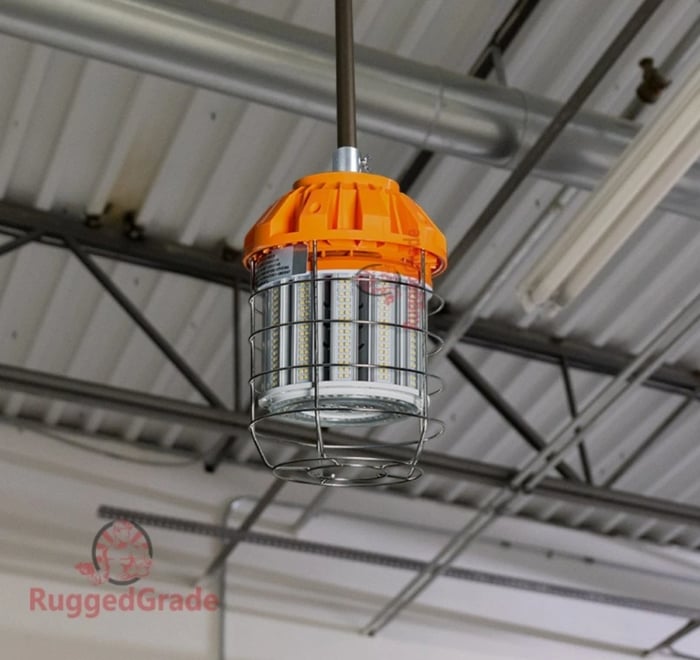
High Bay Lights
High Bay Lights are essential for large-area illumination. Perfect for indoor settings or expansive
outdoor areas, they provide broad and consistent lighting, which is crucial for operational efficiency and safety. A 200-watt LED high bay replacing a 400-watt metal halide delivers 28,000 to 30,000 lumens at roughly half the wattage, and hits IES RP-7 industrial workplace light levels without the 15-minute warm-up penalty of legacy HID.
Their strategic placement can significantly reduce the risk of accidents and improve the overall visibility of the site. Mount at 1-to-1.5 fixture spacing per ceiling height and aim for a uniformity ratio of 3:1 or better (max-to-min footcandles) to eliminate the shadow pockets where struck-by incidents happen.
Wall Packs
Perimeter security is a major concern in construction sites, and
Wall Packs are the answer. Mounted on exterior walls at 10 to 20 feet above grade, they provide a strong deterrent against trespassing and spill clean light across equipment yards, material laydown areas, and trailer rows.
This type of lighting is not only effective in securing the site's boundaries but also in creating a safer environment for workers during night shifts. Full-cutoff housings (IES TM-15 BUG rating of B1-U0-G1 or better) keep the light on the site and off neighboring properties, which matters in mixed-use corridors and helps contractors comply with local dark-sky ordinances.
Floodlights
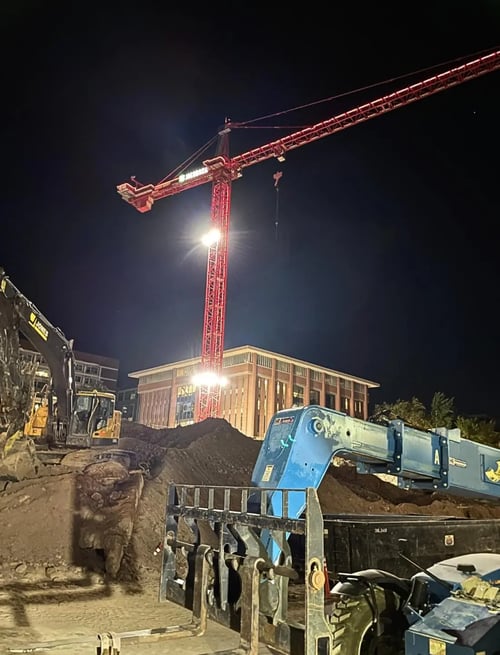
For versatility in lighting, Floodlights are unmatched. Their ability to illuminate large swathes of area with intense light makes them indispensable for outdoor operations — NEMA 7x6 wide-flood optics typically push 30,000 to 60,000 lumens from a single 300W fixture, enough to light an entire concrete pour or steel erection zone from a crane-mounted pole.
These lights ensure that every corner of the construction site is visible, playing a crucial role in preventing theft and unauthorized access. Pair with knuckle or trunnion mounts so crews can re-aim fixtures as the site footprint moves week to week, and specify slip-fit-to-pole kits when you expect to lift the fixtures onto temporary generator poles.
LED Construction Lights
LED Construction Lights are specifically designed for the dynamic and often rough conditions of construction sites. Their portability and adjustability make them ideal for areas where fixed lighting is impractical — string lights for interior corridors, tripod-mount portables for trenches, and magnet-base LEDs for steel work.
This flexibility is vital for ensuring continuous operations, especially in areas that are under active development. Most contractor LEDs now accept 100-277V universal input (some models 120-347V) so a single fixture works off the temp-power panel, a generator, or permanent 277V feed without rewiring.
2. What is The Impact of LED Contractor Lights on Construction Site Security
Visibility as a Deterrent
One of the simplest yet most effective security measures is maintaining a well-lit site.
LED Contractor Lights help keep work areas, access points, equipment zones, and walk paths visible after dark. Lighting should support a broader site plan that may include fencing, cameras, locks, storage procedures, and patrols.
Enhancing Surveillance Systems
Good lighting is critical for effective surveillance. LED lights improve the quality of surveillance camera footage, making it possible to capture clearer images and videos during low-light conditions — a 4000K LED wall pack delivering 1 to 2 foot-candles on the ground is enough for most 4MP IP cameras to produce usable face-ID footage. This enhancement is essential for identifying and responding to security incidents. Motion sensor security lights can be a great option too, especially when tied into the same PoE network as the cameras.
Quick Response to Emergencies
In emergency situations, every second is crucial. Adequate lighting provided by LED lights enables quick and safe navigation through the site, facilitating faster response to accidents or security breaches. This can be the difference between a minor incident and a major catastrophe. Instant-on LEDs (no HID restrike delay) also matter for generator-backed emergency lighting, where OSHA 1926.56 and NFPA 70E require the site to stay above minimum foot-candles during a main-power failure.
3. Choosing the Best LED Contractor Lights
Cost-Effectiveness
While the initial investment in
LED lighting might be higher than traditional options, they are more cost-effective in the long run. Their energy efficiency and longevity mean lower electricity bills and reduced maintenance costs, making them a smart choice for any construction project. A typical 400W metal halide high bay running 12 hours per day costs roughly $350 per year in electricity at $0.12/kWh; the 200W LED equivalent runs closer to $105 per year — a $245 annual saving per fixture, plus another $80 to $120 saved by not replacing the lamp and ballast mid-project.
Customization for Security Needs
Construction sites vary greatly, and so do their lighting needs. LED lights offer the flexibility to be customized in terms of light intensity, distribution, and even color, ensuring that they meet the specific security requirements of each site. Field-selectable wattage (tri-level 100/150/200W, for example) and 3000K/4000K/5000K CCT switches let a single SKU cover multiple site layouts and minimize on-site stocking.
Warranty
A strong warranty is an important consideration when selecting LED Contractor Lights. It's not just about the lifespan of the lights; it's about the confidence and assurance in the product's performance and reliability. Opt for lights that come with a comprehensive warranty for peace of mind — 5 to 7 year warranties are industry standard for commercial-grade contractor LEDs, and any fixture carrying a DLC Premium listing has passed LM-79/LM-80 lumen-maintenance testing that underwrites the warranty claim.
4. Installation of LED Contractor Lights
Strategic Placement
Effective lighting is not just about the quantity but also the quality of illumination. Lights need to be strategically placed to ensure they cover all critical areas without creating glare or blind spots. This requires careful planning and understanding of the site layout — run a point-by-point photometric study (AGi32 or DIALux) early in the project so each fixture's aim, mounting height, and throw distance are dialed in before material is on-site.
Integration with Security Systems
The true potential of LED lighting is realized when it's integrated with other security systems like cameras and
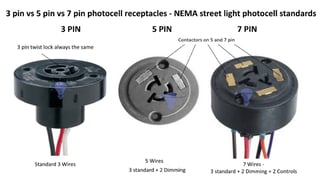
motion sensors. This synergy enhances the overall security infrastructure, providing a more robust and proactive security solution. 0-10V dimming or DALI-2 control gives CCTV and alarm systems a direct path to boost lights to full output the moment motion or an intrusion alarm is triggered, and bi-level setbacks cut unattended-hours energy by 40 to 60 percent.
Compliance and Regulations
Compliance with local safety and lighting regulations is non-negotiable. It's essential to ensure that the lighting on the construction site adheres to these standards, not only to avoid legal issues but also to help keep the lighting safe, appropriate, and effective. In the U.S. that means OSHA 29 CFR 1926.56 for jobsite foot-candles, NEC Article 590 for temporary power and cord protection, NFPA 70E for arc-flash-safe maintenance practices, and the local amendments to the IECC for any permanent fixtures that stay beyond substantial completion.
According to the law from
1974 about health and safety at work, employers must make sure there is enough light for workers to do their jobs well and without danger. Workers' health and vision should not be harmed — UK regulators cite Approved Code of Practice L24 for minimum workplace illumination, with 100 lux general and 200 lux for routine machine work.
5. Effective Implementation of LED Contractor Lights: A Closer Look
Adapting to Changing Conditions
Construction sites are evolving, and lighting needs change accordingly. LED lights are uniquely suited to adapt to these changes. Whether it's extending work hours into the night or dealing with weather-related visibility issues, LED lights can be adjusted in intensity and positioning to meet the evolving needs of the site. Dimmable drivers (10 to 100 percent 0-10V) and adjustable knuckle mounts let a single temporary pole cover everything from excavation through final landscaping without swapping fixtures.
Always look for LED contractor lights that meet the IP ratings for weather proof. IP65 is the workhorse spec for outdoor jobsite use; step up to IP66 for power-wash and wet-coastal environments, or IP67 for fixtures mounted within splash range of temporary pumps and dewatering setups.
Energy Efficiency and Environmental Impact
Another significant advantage of LED Contractor Lights is their energy efficiency. They consume significantly less power compared to traditional lighting, which not only lowers energy costs but also reduces the carbon footprint of construction projects. An EPA eGRID-weighted calculation of a 50-fixture site converting from 400W metal halide to 200W LED saves roughly 65,700 kWh per year, or about 46 metric tons of CO2 equivalent annually — numbers that increasingly matter for LEED AP-managed jobs and ESG-reporting owners.
This eco-friendly aspect is becoming increasingly important as the industry moves towards sustainable practices. Mercury-free LED drivers also eliminate the disposal burden of arc-tube HID lamps, which are regulated as universal waste in most states.
Durability in Harsh Conditions
Construction sites can be harsh environments, and lighting solutions need to be robust. LED lights are known for their durability and resistance to impacts, vibrations, and extreme temperatures — most commercial-grade contractor LEDs ship with an IK08 impact rating (5 joule drop test per IEC 62262) and vibration testing to ANSI C136.31 level 3G, which covers pile-driving and crane-boom shake.
This resilience ensures consistent performance, reducing the need for frequent replacements and maintenance. For certain types of construction, LED lights that are
explosion proof may be required — Class I Division 1/2 (gases) or Class II Division 1/2 (combustible dust) listings are mandatory near refueling stations, paint operations, and grain-adjacent sites.
6. The Role of LED Lights in the Future of Construction
As we look to the future, the role of LED lighting in construction is set to become even more significant. With advancements in technology, we can expect even more efficient, adaptable, and integrated lighting solutions — LM-79 test data suggests the industry will cross 200 lumens per watt on contractor-grade fixtures within the next two generations of LED chip development.
The trend towards smart lighting, where LED systems are connected and controlled digitally, is an exciting development, offering new possibilities in site security and management. Mesh-networked Bluetooth or Zigbee controllers already let a superintendent schedule setback profiles, adjust output by zone from a phone, and pull energy reports straight into the project's sustainability dashboard.
Conclusion
In sum, LED Contractor Lights are much more than a tool for illumination; they are a key element of modern construction site safety and security. These lights have redefined the way we think about site illumination, proving to be invaluable in enhancing visibility, deterring security threats, aiding in emergency responses, and even improving overall operational efficiency.
As the construction industry continues to evolve, the strategic use of LED lighting will undoubtedly play a central role in shaping safer, more efficient, and sustainable construction sites. Get the spec right at the RFI stage — OSHA 1926.56 foot-candles, IP65+ sealing, 4000K-5000K at 70+ CRI, DLC Premium listing, 5-to-7 year warranty — and the fixtures will outlast most of the projects you put them on.
Temporary Security Lighting Must Be Safe to Power
LED contractor lights can support construction security when they cover entries, materials, equipment, fences, and camera views without creating trip hazards or glare. Plan temporary power, cord routing, GFCI protection, mounting stability, weather rating, and night checks.
| Risk | Lighting control |
|---|
| Trip hazards | Protect cords and keep them out of routes. |
| Glare | Aim fixtures away from drivers and guards. |
| Blind spots | Check shadows behind equipment and containers. |
Frequently Asked Questions
What IP rating should LED contractor lights have for outdoor construction use?
For outdoor construction sites, look for LED lights rated IP65 or higher. IP65 means the fixture is fully dust-tight and protected against water jets from any direction, per IEC 60529. For areas exposed to heavy rain or wash-down environments, IP66 or IP67 provides additional protection. Temporary work lights used in wet conditions should be at minimum IP44, and cord-and-plug portable luminaires must carry a wet-location UL listing.
How many lumens do I need to light a construction site?
OSHA 29 CFR 1926.56 requires a minimum of 5 foot-candles for general construction areas and 10 foot-candles for active work zones; first aid stations and field offices need 30 foot-candles. For a typical 10,000-square-foot outdoor area, you need roughly 50,000 to 100,000 lumens total. LED floodlights in the 150- to 300-watt range are commonly used, with each fixture producing 20,000 to 45,000 lumens depending on efficacy (most quality fixtures now hit 140 to 160 lumens per watt).
Are LED contractor lights better than metal halide for job sites?
Yes, in nearly every metric. LED lights turn on instantly with no warm-up time, while metal halide needs 15 to 20 minutes to reach full brightness and cannot hot-restrike after a power blip. LEDs last 50,000 to 100,000 hours compared to 6,000 to 15,000 for metal halide, and they use 50 to 70 percent less energy for the same light output. LEDs also perform better in cold temperatures (down to -40 F) and are far more resistant to vibration damage from pile driving, crane movement, and heavy equipment traffic.
Can LED construction lights run on a generator?
Yes. Because LEDs draw significantly less power than equivalent traditional fixtures, they are well-suited for generator use. A 200-watt LED floodlight produces as much light as a 400-watt metal halide while drawing half the wattage. This means you can power more lights from the same generator, extending fuel life and reducing operating costs on remote sites. Most contractor LEDs now accept 100-277V or 120-347V universal input, so the same fixture works on 120V single-phase genset or 277V three-phase without rewiring.
What color temperature is best for construction site lighting?
Most construction sites use 5000K daylight white, which provides the clearest visibility for detail work, equipment operation, and safety hazard identification. For security perimeter lighting, 4000K neutral white is also effective and creates less light trespass onto neighboring properties. Avoid warm tones below 3500K on job sites, as they reduce color rendering and make it harder to distinguish safety markings, high-visibility vests, and signage. Look for a CRI of 70 or higher for general work; 80+ CRI improves hazard recognition.
How do motion sensors improve LED contractor light security?
Motion sensors turn lights to full output only when needed, which extends fixture life, can reduce wasted runtime on overnight applications and raises light levels when activity is detected. PIR (passive infrared) sensors work well at close range and are the most common choice, while microwave sensors can see through light obstructions and cover larger areas. Dual-tech fixtures combine both to reduce false triggers from wind, rain, and small animals. Pair sensors with 100 percent bi-level dimming so the site never goes fully dark between triggers — this keeps CCTV footage usable and eliminates a pitch-black ramp-up delay.