


Posted by Dara Greaney on 1/23/2024 to
LED Lighting
How to Upgrade to LED Can Lights in Older Homes
Quick Answer
Upgrading to LED can lights in an older home is straightforward using retrofit kits that clip into existing housings or ultra-thin wafer lights that mount flush to the drywall. LED can lights use up to 75% less energy, last over 50,000 hours, emit minimal heat, and are available in color temperatures from warm 2700K to daylight 5000K. For homes with outdated wiring, consult a licensed electrician before installation.
Upgrading the lighting in an older home is not just about embracing modernity; it's about merging the past's charm with today's efficiency. For many homeowners, this task can feel daunting, especially when preserving the unique character of their living spaces. This blog post is dedicated to those looking to make this transition smoothly, specifically through the installation of LED can lights.
These modern lighting solutions offer a blend of style, efficiency, and practicality, perfectly suited for the aesthetic and structural nuances of older homes. Let's illuminate the path to upgrading your home's lighting, balancing contemporary needs with the timeless beauty of your home.
What Are the Advantages of Upgrading to LED Can Lights?
Energy Efficiency Unleashed:
LED technology is a game-changer in energy efficiency. Compared to traditional incandescent bulbs, LED can lights consume significantly less power, leading to noticeable reductions in electricity bills.
This efficiency does not come at the cost of brightness; LEDs provide a crisp, clear light that can enhance any space. The energy-saving aspect is particularly beneficial in older homes, where controlling operational costs is often a priority.
Blend and Beautify:
One of the beauties of LED can lights is their ability to blend seamlessly into any home decor. Whether your home is a Victorian classic, a mid-century modern gem, or a quaint bungalow, there are LED designs to complement its architecture.
These lights offer a clean, unobtrusive look, ensuring that the historical character of your home shines through. Their versatility in design means you can achieve both aesthetic appeal and functional lighting.
Long-Term Savings and Minimal Maintenance:
LED lights are known for their longevity. Unlike traditional bulbs, which need frequent replacements, LEDs can last for years, even decades, depending on usage. This durability translates to long-term savings and less hassle in maintenance.
In older homes, where accessing lighting fixtures might be challenging, having lights that require minimal replacements is a significant advantage. High quality LED can lights can last over 100,000 Hours.
Less Heat Production:
Safety and comfort are key in any home, especially older ones. LED lights emit very little heat compared to traditional bulbs, reducing the risk of heat-related damage to antique fixtures or finishes.
This lower heat emission also contributes to a more comfortable living environment, a crucial factor in homes with less modern cooling systems.
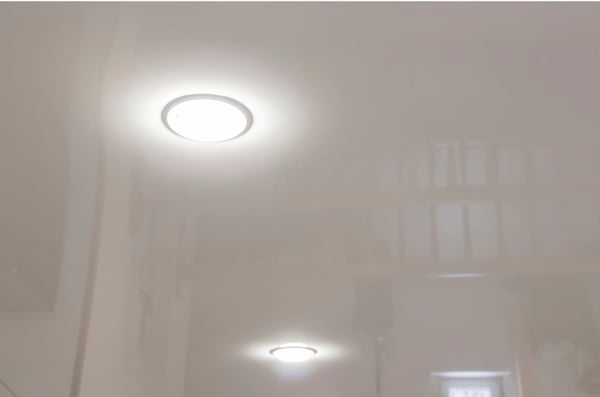
What Are the Options Provided by LED Can Lights?
Color Temperature Variations:
One of the most significant advantages of LED can lights is the range of color temperatures available. Unlike the one-size-fits-all approach of traditional bulbs, LEDs offer a spectrum from warm yellows to cool whites.
This variety allows homeowners to select lighting that enhances the mood and character of each room. Warm lights (2700K-3000K) can create a cozy, vintage feel, ideal for living rooms or bedrooms in older homes, while cooler tones (4000K-5000K) are perfect for modernizing kitchens or bathrooms.
Dimmability Feature:
The ability to dim lights is not just about controlling brightness; it's about adjusting ambiance. LED can lights often come with dimmable options, allowing for flexibility in how a space is lit. A great option for you is to find LED can lights that offer 0-10v dimming included.
This feature is particularly useful in older homes, where creating the right atmosphere can make all the difference and can help you to save money. Whether hosting a dinner party or relaxing in the evening, the right light level is always at your fingertips.
Durability and Warranty:
When upgrading to LED can lights, it's not just the immediate aesthetic and efficiency benefits that matter. The durability of these lights means fewer replacements and consistent performance over time. Many LED lights come with substantial warranties, offering peace of mind to homeowners.
This longevity is especially valuable in older homes, where preserving the integrity of the space is crucial. For example the Kalo Series offers a 5 Year warranty with USA based support.
What Are the Considerations Before Switching to Led can lights?
Addressing Wiring Concerns:
Upgrading to LED can lights in older homes often involves navigating the complexities of existing wiring systems. Before undertaking this upgrade, it's crucial to assess the electrical infrastructure to ensure it's capable of supporting these modern fixtures. In many older homes, the wiring may not only be outdated but also may not meet current safety standards.
Consulting with a professional electrician is advisable to understand the full scope of work required. This may range from a simple switch to a more comprehensive rewiring project. Taking this step is essential not only for the functionality of the LED lights but also for ensuring the safety of your home.
Remember, older wiring systems might not have been designed for the power loads of modern appliances and lighting solutions, making professional assessment and possible upgrading of the wiring a key step in your home's modernization.
Lighting Design:
When selecting LED can lights, it's important to consider how they will complement the architectural style of your home. The goal is to enhance and highlight, not overshadow, the unique features of your space. Look for designs that respect the era of your home while providing the benefits of modern lighting. This blend of old and new can create a harmonious balance, highlighting the beauty of your home's architecture.
For instance, in a home with art deco features, selecting LED lights that echo this style can add to the overall aesthetic. Likewise, in a rustic country home, choosing lights with a warmer hue and simpler design can maintain the cozy, timeless appeal of the space.
The right LED lighting design can elevate the character of your home, marrying tradition with innovation.
DIY vs Professional Install:
While some LED light installations might appear straightforward, professional installation is often recommended, especially in older homes. The complexity of existing wiring systems, combined with the structural considerations of older buildings, can make DIY installation challenging and potentially unsafe.
Professional installers not only ensure that the lights are fitted correctly and safely but also respect the integrity of the home's original design and structure. They can also provide valuable insights into the best types of lights for different areas of your home and how to maximize energy efficiency.
Their expertise can be invaluable in preserving the character of your home while updating its functionality.
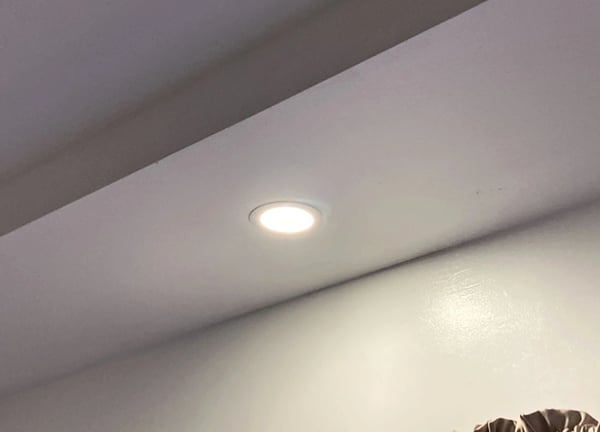
What are the Types of LED Retrofit Can Lights?
Disk Lights:
Disk lights are a popular choice for their sleek and modern appearance. These flat, round lights fit snugly against the ceiling, offering a streamlined look that complements both traditional and contemporary interiors. Ideal for low-ceiling areas, disk lights provide ample lighting without intrusion into the living space.
Bulb Replacements:
For those who prefer to keep their existing fixtures, LED bulb replacements are an excellent option. These bulbs are designed to fit into standard can light fixtures, making them a convenient and cost-effective way to upgrade to LED technology without the need for new housings.
Wafer Lights vs. Can Lights:
Wafer lights, known for their ultra-thin design, provide a minimalist aesthetic and are perfect for locations where space is limited. Unlike traditional can lights that require a certain depth for installation, wafer lights can be installed in tight spaces, making them ideal for older homes with shallow ceiling cavities.
Conclusion
Upgrading to LED can lights or led recessed lights in older homes is a step towards blending the charm of the past with the innovation of the present. Whether you choose disk, bulb, or wafer lights, the key is to select options that respect the integrity of your home while providing modern efficiency and style.
Remember, while DIY installations might be tempting, consulting professionals is often the safest route, especially in older homes. Embrace the journey of transforming your home with LED lights, where each luminary not only brightens your space but also honors its history.
Older Can Lights Need Safety Checks First
Before upgrading to LED can lights in older homes, check fixture size, IC rating, ceiling insulation, wiring condition, dimmer compatibility, trim diameter, junction box access, air sealing, and whether local permits are required. A retrofit trim is simple only when the existing housing is safe.
| Old-home issue | What to verify |
|---|---|
| Insulation contact | Use IC-rated equipment where required. |
| Old dimmer | Confirm LED-compatible dimming. |
| Air leaks | Consider airtight trims or housings. |
Frequently Asked Questions
Can you put LED bulbs in old can lights?
Yes. LED retrofit bulbs are designed to screw directly into standard E26 sockets found in most existing can light housings. You can also use LED retrofit trim kits that snap into the existing housing and replace both the bulb and trim ring in one step. No rewiring is needed for basic bulb swaps, though you should verify that your dimmer switch is LED-compatible if the circuit is dimmed.
What is the best way to upgrade old recessed can lights to LED?
The most common approach is an LED retrofit kit that clips into the existing can housing and replaces the old trim and bulb together. For homes with shallow ceiling cavities, ultra-thin wafer lights are an excellent alternative since they mount flush to the drywall without requiring a traditional can housing. Both options preserve the ceiling appearance while delivering modern LED efficiency.
What color temperature is best for LED can lights in older homes?
Warm white at 2700K to 3000K is the most popular choice for living rooms, bedrooms, and hallways in older homes because it closely matches the warm glow of traditional incandescent bulbs. For kitchens, bathrooms, and workspaces, a neutral 4000K provides better visibility. Choosing a dimmable LED lets you adjust the light level to suit different activities and times of day.
Do I need an electrician to install LED can lights in an older home?
A simple bulb swap or retrofit trim kit can be done as a DIY project. However, if your home has outdated wiring, knob-and-tube wiring, or no existing can housings, hiring a licensed electrician is strongly recommended. Older homes may not meet current electrical codes, and a professional can assess whether the wiring safely supports LED fixtures and recommend any necessary upgrades.
Related Articles
Lighting Solutions Can Impact Your Mental Health LED Lighting Guide Lighting Solutions Can Impact Your Mental Health. Expert guide from LED Light Expert.
Lighting Decisions That Can Make Interiors Look Ugly LED Lighting Guide Lighting Decisions That Can Make Interiors Look Ugly. Expert guide from LED Light Expert.
Lighting 7 Things You Can Learn From 5 Star Hotels LED Lighting Guide Lighting — 7 Things You Can Learn From 5 Star Hotels. Expert guide from LED Light Expert.
Ready to Upgrade Your Lighting?
Our LED lighting experts are here to help you find the perfect solution for your space.
Call Us Today
Email Us
Monday-Friday, 8am-5pm PST

About the Author
Dara Greaney is founder and CEO of LED Light Expert with deep expertise in LED fixtures and light design.
Editing by David Peguero.

Call us Toll Free at 800-674-9420 for the Best in Lighting Design & Assistance. Please use Ext 1 for sales or lighting design help. Para Espanol Extension 7. For Hours & More Click Here- Contact
Trusted by Thousands
Our customers love us — and we love them back.


-
 Free Shipping
On orders over $49.00
-
 Free Extended Warranty
Up to 7 Years Free Warranty On LED Lights
-
100% Satisfaction Guarantee
