


LED afterglow is the faint light you see after an LED bulb or fixture is switched off. Most cases are caused by tiny leakage current from a dimmer, smart switch, illuminated switch, timer, long wire run, or driver capacitor. It is usually harmless, but it should be fixed when the glow is bright, new, distracting, paired with flicker, or in a space that needs full darkness. The best fixes are LED-compatible controls, correct neutral wiring, quality drivers, and, when needed, an electrician-installed bypass or relay.
If an LED bulb stays faintly lit after you turn the switch off, the first reaction is usually concern: is the switch bad, is the fixture defective, or is current still running through the circuit? In many cases, the answer is less alarming. LEDs can respond to very small amounts of electricity that older incandescent bulbs would never show.
The important question is not only why the light glows, but whether it matters in your installation. A dim glow that fades after a few seconds is different from a fixture that stays visibly lit all night, flickers, buzzes, or appears after a wiring change. This guide explains the common causes, the warning signs, and the practical fixes in the order a homeowner, facility manager, or electrician would normally check them.

A faint afterglow can be visible in a dark room even when the wall switch is off.
What Is LED Afterglow?
This faint light is known as LED afterglow, sometimes called ghosting or the glow effect. It occurs when a tiny amount of current continues to flow through the LED, even after the switch is turned off. LEDs work differently from older lighting technologies. Instead of a filament heating up, LEDs rely on electronic components and diodes that react quickly to electrical current. Because of this, small residual currents in the wiring or fixture can cause the LED to glow faintly after power is cut.
LED afterglow is more common than many realize and happens in a variety of LED products, from household bulbs to grow lights and outdoor fixtures. The glow is usually very faint and temporary, lasting anywhere from a few seconds to several minutes before fading away completely. Though it might seem like a defect, it is typically a normal part of how LED lighting systems interact with modern electrical wiring and control devices.
This phenomenon is related to how LEDs respond to even tiny amounts of electrical current, which older bulb types do not react to in the same way. Because LEDs use semiconductor technology rather than heating elements, they can produce visible light from very low voltages or small leakage currents that might linger after power is switched off. This is why the afterglow effect can be more noticeable with LEDs than with traditional bulbs.
Usually a Faint Glow Lasting Seconds to Minutes
The afterglow is generally very faint—barely noticeable in many cases—and usually lasts anywhere from just a few seconds to several minutes. It gradually fades as any remaining charge or current dissipates. The glow is not constant or bright; rather, it dims over time until the LED fully turns off.
Common in LED Products and Usually Not Harmful
LED afterglow is common in many LED lighting products and typically doesn’t signal a problem with your fixtures or wiring. It isn’t harmful to the LED bulb or your electrical system, nor does it significantly impact energy consumption. Instead, it is a natural byproduct of how LEDs operate in combination with modern electrical setups, especially when dimmer switches, electronic timers, or certain types of wiring are involved.
Understanding LED afterglow can help you recognize that this soft light is usually normal and not a cause for concern. However, if the afterglow lasts too long or seems unusually bright, it may be worth checking your wiring or switch type for potential issues.
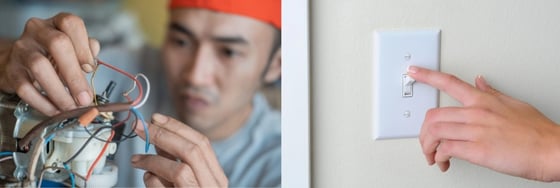
Another common cause is leakage current traveling through the wiring or controls, even when the switch is off.
Main Causes of LED Afterglow
LED afterglow happens because of several electrical and design factors in your lighting setup. Understanding these causes helps pinpoint why your LED stays on after switching it off.
What to Check First
| Symptom | Likely Cause | Best Next Step |
|---|---|---|
| Faint glow only with a dimmer | Dimmer leakage or LED incompatibility | Use an LED-rated dimmer matched to the fixture load. |
| Glow from a lighted switch | The switch indicator passes a small current | Replace the illuminated switch or add an approved bypass device. |
| Smart switch causes ghosting | No neutral wire or standby current through the load | Use a neutral-required smart switch or manufacturer-approved bypass. |
| Glow fades after seconds | Driver capacitor discharging | Usually normal; replace driver only if the glow is disruptive. |
| Glow is bright, flickering, or new | Possible wiring, driver, or control problem | Have the circuit checked before continuing to use it. |
LED Drivers and Capacitors Holding Residual Energy
Inside every LED fixture is a driver, which converts incoming power to the right voltage and current. These drivers often contain capacitors—electrical components that store energy temporarily. After you turn off the light, these capacitors don’t immediately release their stored charge. Instead, they slowly discharge, sending a small current to the LEDs and causing them to glow dimly for a short time.
This is especially noticeable in grow lights, where the residual energy can keep LEDs glowing after power is cut. The stored charge in the driver’s capacitors releases gradually, powering the LED diodes faintly until the energy runs out.
Leakage Current from Wiring or Controls
Another common cause is leakage current traveling through the wiring or controls, even when the switch is off. Dimmers, smart switches, or illuminated switches often allow a tiny amount of current to leak through their circuits. This current isn’t enough to fully power the LED, but it’s enough to create that faint afterglow.
This happens because of capacitive coupling, a phenomenon where electrical energy “jumps” across components or wiring without direct contact, allowing a small current to pass through even when a circuit is open. In simpler terms, even when your switch is off, a tiny trickle of electricity can still reach the LED bulb and keep it glowing faintly.
Faulty or Low-Quality LED Drivers
Cheap or poorly designed LED drivers are a frequent source of afterglow problems. These drivers may not fully cut the power supply when the light is switched off, allowing residual currents to continue flowing. Low-quality drivers might lack proper circuitry to block or drain leftover energy efficiently, resulting in an extended or brighter afterglow.
Investing in higher-quality LED drivers can reduce or eliminate this effect because they are designed to cut power completely and manage residual charge properly.
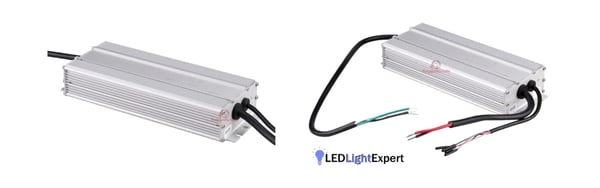
High Quality 240 Watt Sosen VP Series LED Driver - LED Power Supply
How to Fix or Eliminate LED Afterglow
While LED afterglow usually isn’t harmful, it can be annoying or distracting, especially in spaces where darkness is important. Luckily, there are several effective ways to fix or reduce this faint glow.
Use Relays or Mechanical Disconnect Switches
One of the most reliable ways to stop afterglow is to use relays, analog timers, or mechanical disconnect switches. These devices physically break the electrical circuit on both the hot and neutral wires. Unlike electronic switches, which may allow tiny amounts of current to pass through even when off, mechanical switches fully interrupt the power flow.
By completely cutting the connection, no residual current reaches the LED, preventing any afterglow. This approach is common in industrial or grow-light setups where precise control is needed.
Sometimes, even a simple change like flipping the orientation of a plug or timer can help. Changing how the circuit is broken alters the flow of electricity and can reduce or eliminate afterglow without any additional equipment.
Add a Resistor or Bypass Capacitor
Another solution is installing shunt resistors or bypass capacitors within the LED fixture or wiring circuit. These components act like “energy drains,” providing a safe path for stored residual charge to discharge quickly instead of slowly powering the LEDs.
Many modern LED fixtures and smart lighting systems include these components to prevent ghosting effects and afterglow. If your lights don’t have them, an electrician can often add them to your existing setup.
This method is especially useful when afterglow results from energy stored in capacitors within LED drivers or wiring.
Install LED-Compatible Switches or Dimmers
If your setup uses standard dimmers or illuminated switches, these might be allowing tiny leakage currents that cause afterglow. Upgrading to LED-compatible switches and dimmers can fix this issue.
LED-specific switches are designed to prevent any current flow when off. They don’t leak current like older or incompatible models, which stops the faint glow from occurring.
It’s important to avoid using regular electronic dimmers or illuminated switches that aren’t rated for LED lights. These older devices are a common source of afterglow problems and can also cause flickering or reduced bulb lifespan.
Replace Faulty Drivers or Use Quality Brands
Cheap or poorly designed LED drivers are often behind persistent afterglow. Replacing them with high-quality, certified drivers can make a big difference.
Quality drivers are engineered to drain residual power completely when off, reducing or eliminating afterglow. In specialized applications like grow lighting, using certified units designed for the purpose is even more important to avoid glow issues.
Choosing reputable brands ensures better performance and fewer afterglow problems, saving headaches in the long run.
Fix Wiring or Grounding Errors
Incorrect wiring or grounding can cause leakage currents that keep LEDs glowing after being switched off. Ensuring your smart switches and controls are wired properly, with dedicated neutral wires, is crucial.
Faulty wiring setups can allow ghost current to pass through when the circuit is “off,” causing unwanted afterglow. Double-checking your wiring and grounding, or hiring a professional to inspect it, can eliminate these problems.
Proper installation and grounding are often the simplest way to stop afterglow caused by ghost currents and keep your LED lighting system working as intended.

120 Watt Driver - LED Power Supply - LED Light Expert
When Is LED Afterglow Concerning?
Most of the time, LED afterglow is harmless and more of a minor annoyance than a real issue. However, there are cases where even a faint residual glow can cause problems or disrupt intended use.
In sensitive lighting setups—such as plant grow rooms, sleep environments, or museum displays—total darkness is often necessary.
For example, plants rely on strict light and dark cycles (photoperiods) to regulate growth stages and flowering. Even a slight LED afterglow from LED Grow Lights can interrupt these cycles, potentially harming plant health or yield. Similarly, in bedrooms or sleep clinics, unwanted light from afterglow may interfere with natural sleep rhythms, making it harder to fall or stay asleep.
Museum exhibits often require controlled lighting to protect light-sensitive artifacts from degradation. Lingering LED glow, even if very faint, could cause long-term damage or alter visitor experience by breaking the intended ambiance.
Though afterglow usually isn’t a safety concern, it can be confusing or distracting, especially in environments expecting complete darkness. If you aren’t sure whether the afterglow you’re seeing is an issue, it’s wise to consult a licensed electrician or lighting professional to inspect your system and recommend fixes.
In blackout-sensitive areas where any amount of light matters, taking action to eliminate afterglow completely is important to maintain proper conditions.

Plants rely on strict light and dark cycles (photoperiods) to regulate growth stages and flowering. Even a slight LED afterglow from LED Grow Lights can interrupt these cycles.
LED Light Afterglow Explained: Buyer and Maintenance Checks
A good decision on LED light afterglow starts with the real installation conditions, not just the product name. Check the application, mounting height, voltage, light level, glare, controls, wet or dust exposure, service access, and whether a photometric layout or qualified installer is needed before ordering.
| Check | Why it matters |
|---|---|
| Application | Confirms the fixture, lamp, control, or accessory fits the actual space and task. |
| Mounting and wiring | Prevents fit, voltage, access, and safety problems during installation. |
| Controls and maintenance | Protects energy savings, usability, troubleshooting, and long-term performance. |
LED Afterglow FAQs
- Why does my LED light glow after I turn it off?
- Usually, a tiny amount of current is still reaching the LED or the driver is releasing stored charge. The most common sources are incompatible dimmers, illuminated switches, smart switches, timers, long parallel wire runs, and drivers without good discharge circuitry.
- Is LED afterglow dangerous?
- A faint afterglow is usually not dangerous. Treat it as a warning sign if it is bright, starts suddenly, appears with flickering or buzzing, happens after electrical work, or comes from wiring that feels warm. Those symptoms deserve an electrician's inspection.
- How do I stop an LED from glowing when off?
- Start with the switch or control. Use an LED-compatible dimmer, replace illuminated switches that leak current, make sure smart switches are wired with the required neutral, and use a quality LED driver. If the glow remains, an electrician can add an approved bypass, relay, or load correction device.
- Can a smart switch cause LED afterglow?
- Yes. Some smart switches need a small standby current. If they do not have a proper neutral connection, that current can pass through the LED load and create ghosting. The fix is usually a neutral-required smart switch, compatible bypass accessory, or different control design.
- Does afterglow affect the electric bill?
- In most cases the energy use is tiny and will not noticeably affect the bill. The better reason to fix afterglow is comfort and control, especially in bedrooms, grow rooms, museums, dark-sky locations, and commercial spaces where lights need to turn fully off.
Bottom Line
LED afterglow is usually a compatibility or control issue, not a sign that the LED is wasting meaningful energy. The most useful troubleshooting path is simple: check the dimmer or switch, confirm neutral wiring for smart controls, look at driver quality, and bring in an electrician when the glow is bright, persistent, new, or paired with flicker.
More Details to Consider
LED afterglow happens when a very small amount of current continues to reach the LED after the switch is off. It can come from illuminated switches, dimmers, long wire runs, smart controls, leakage current, or driver design.
A faint glow is not always dangerous, but it should be investigated if it is new, strong, flickering, tied to heat, or happening after electrical work. The fix depends on the cause; swapping bulbs may not solve a wiring or control issue.
For troubleshooting, check dimmer compatibility, smart switch wiring, neutral availability, fixture driver quality, and whether an electrician should inspect the circuit. Avoid guessing when wiring behavior changes unexpectedly.
Related Articles



Need Help Finding the Cause?
Our LED lighting experts can help match fixtures, drivers, dimmers, and controls so your lights turn off cleanly.

Dara Greaney is founder and CEO of LED Light Expert with deep expertise in LED fixtures and light design.
Editing by David Peguero.

Trusted by Thousands
Our customers love us — and we love them back.


-
 Free Shipping
On orders over $49.00
-
 Free Extended Warranty
Up to 7 Years Free Warranty On LED Lights
-
100% Satisfaction Guarantee
