800-674-9420 M-F 5am-6pm PT | Sat 8am-1pm PT
From Highways to Subways: Exploring Tunnel Lighting Across Different Environments

Quick Answer

LED tunnel lights must handle extreme conditions: vibration, moisture, dust, and constant operation. IP66 minimum rating is essential. The transition zone at tunnel entrances requires the highest illumination — up to 10x the interior level — to help drivers' eyes adjust from bright daylight. LED provides the instant-on capability critical for tunnel safety systems.

From busy highways to underground metro systems, tunnels serve crucial roles in transportation infrastructure. Tunnel lighting isn't merely decorative; it’s fundamental for safety, energy efficiency, and regulatory compliance. Choosing the right LED tunnel lighting ensures visibility, prevents accidents, and supports smooth traffic flow, whether cars speeding through highway tunnels or pedestrians navigating subway stations.

But why exactly is tunnel lighting critical in these diverse environments? Let’s break down the essentials.


Why Tunnel Lighting Matters

Safety: Preventing Accidents and Ensuring Visual Clarity

The primary reason to invest in effective tunnel lights is straightforward: safety. Drivers entering a tunnel experience a drastic shift in brightness, which, if improperly managed, creates a dangerous scenario known as the "black hole effect." This happens when the entrance appears excessively dark compared to outside conditions, briefly blinding drivers. Proper tunnel lighting eliminates these sudden visual adjustments, significantly reducing accident risks.

Energy Consumption Concerns in Long Tunnels

Energy use is a significant factor in tunnel lighting, especially for extended passages where lights remain on continuously. Older lighting technologies, such as sodium vapor or fluorescent tubes, drain energy budgets quickly. By switching to energy-efficient LED tunnel lights, municipalities can dramatically lower operating costs and environmental impact. LEDs typically use up to 75% less electricity than traditional lighting, reducing both energy bills and carbon footprints.

Regulatory Compliance for Transportation Infrastructure

Infrastructure projects must adhere to strict regulations and safety standards. Authorities such as the American Association of State Highway and Transportation Officials (AASHTO) and the International Commission on Illumination (CIE) establish clear guidelines for tunnel illumination. Properly designed and installed LED tunnel lighting meets or exceeds these standards, ensuring compliance and avoiding costly penalties.

Consistency to Reduce "Black Hole" or "Flicker" Effects

Consistency in lighting levels throughout a tunnel is critical. Uneven lighting, shadows, or flicker can create confusion, disorientation, and potential hazards for drivers or pedestrians. High-quality LED tunnel lighting offers uniform illumination and stable light output, eliminating dangerous flicker effects, reducing visual fatigue, and significantly improving overall tunnel safety.

With tunnel lighting’s importance clearly established, let's explore its specific roles in various tunnel environments in the following sections.


Tunnel Lights


Black Hole Effect: Uneven lighting, shadows, or flicker can create confusion, disorientation, and potential hazards for drivers or pedestrians.


Transition Zone Lighting: The Most Critical Design Factor

The transition zone at a tunnel entrance is where the most accidents happen. Drivers go from full daylight into a dimly lit space, and the human eye needs time to adjust. The lighting in this zone has to compensate for that adjustment period.

IES and CIE standards call for transition zone lighting at levels significantly higher than the interior — sometimes 5-10x brighter near the portal. LED fixtures handle this better than legacy HPS because they deliver full output instantly, with no restrike delay if power cycles. The transition zone typically extends 2-3 stopping distances into the tunnel, tapering gradually to interior levels.

IP Ratings and Durability for Tunnel Environments

Tunnel environments are punishing — vehicle exhaust, vibration from heavy traffic, water infiltration, and fine particulate matter from road surfaces and braking. A fixture rated below IP66 has no business in a tunnel application.

Die-cast aluminum housings with powder coat finishes resist the corrosive atmosphere, while polycarbonate or tempered glass lenses stand up to pressure washing during maintenance cycles. Vibration-rated fixtures prevent premature LED driver failure, which is the number one cause of tunnel light outages.

Energy Efficiency and Smart Controls in Modern Tunnel Lighting

LED tunnel lights consume 50-65% less energy than the HPS fixtures they replace, but the savings go further with smart controls. Daylight-linked dimming adjusts transition zone output based on exterior brightness — brighter on clear days, dimmer on overcast days. This alone can reduce energy consumption another 20-30%.

Traffic-responsive controls take it further by reducing interior zone output during low-traffic periods. Combined, these systems cut total tunnel lighting energy use by 60-75% compared to fixed-output HPS. For long tunnels, the energy savings alone justify the LED upgrade within 2-3 years.

Key Features of Effective Tunnel Lighting

Choosing the right LED tunnel lighting involves selecting fixtures with specific features that ensure excellent performance, safety, and reliability. Here are the essential elements to consider when evaluating tunnel lighting solutions:


High Lumen Output and Uniform Light Distribution

High lumen output is critical for maintaining clear visibility in tunnels. Tunnels often experience drastic differences in brightness from outdoor daylight to interior illumination. Fixtures with high lumen output help balance these lighting differences. Additionally, uniform light distribution prevents dangerous dark spots or overly bright areas, ensuring that drivers, pedestrians, or maintenance personnel can clearly see their surroundings and potential hazards.


Glare Control and Low Flicker

Glare control is essential in tunnel environments because excessive glare can impair visibility and create unsafe conditions. Quality LED tunnel lights feature specialized lenses and anti-glare optics that diffuse and direct light precisely where needed, reducing harsh reflections. Moreover, low flicker technology enhances visual comfort, minimizes eye strain, and reduces fatigue, especially important for drivers navigating long tunnels or pedestrians spending extended periods underground.


IP Ratings for Dust and Water Protection

Tunnel environments can be extremely challenging, exposing lighting fixtures to dust, dirt, moisture, and humidity. The Ingress Protection (IP) rating indicates a fixture's resistance against these environmental factors. Effective tunnel lights typically feature an IP65 rating or higher. This rating ensures excellent protection against water jets, moisture ingress, and dust accumulation, making fixtures suitable for continuous, reliable operation even under tough conditions.


IK Ratings for Impact Resistance

Impact resistance is crucial for tunnel lighting, particularly in public areas exposed to tampering, debris, or accidental damage, such as pedestrian underpasses and footpaths. The IK rating measures a fixture's durability and resilience against physical impacts. Tunnel lighting fixtures usually have an IK08 or IK10 rating. IK08-rated fixtures withstand moderate impacts, while IK10 fixtures offer higher impact protection for demanding public environments.


Dimming and Smart Control Compatibility

Advanced LED tunnel lighting fixtures support dimming and integration with smart control systems. Such technology provides adjustable illumination based on real-time conditions like traffic density, daylight levels, or emergencies. Smart controls also allow remote monitoring, enabling proactive maintenance and immediate response to fixture failures or changing conditions. These capabilities enhance energy efficiency, operational safety, and long-term reliability, all while reducing operational costs.

By focusing on these key features, tunnel managers can confidently select lighting solutions that consistently deliver safety, efficiency, and durability across diverse tunnel environments.

LED Canopy Lights for Tunnel


Advanced LED tunnel lighting fixtures support dimming and integration with smart control systems.


Tunnel Lighting by Environment

Different tunnel environments have unique lighting requirements. Let's explore key lighting considerations and ideal products tailored to each specific setting.


Highway and Roadway Tunnels

Focus: Visibility for high-speed traffic.
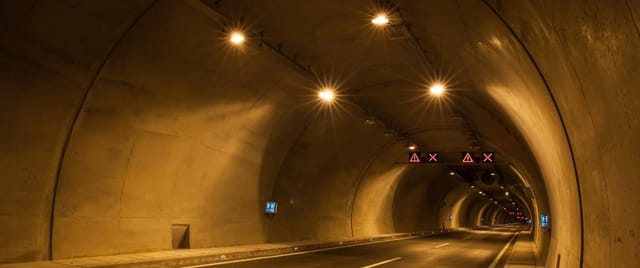
High-speed driving conditions demand clear and consistent visibility. Drivers must smoothly transition from daylight into the tunnel environment without visual discomfort or reduced clarity.

Key Considerations:

  • Luminance transitions: Efficient luminance control is critical, especially at tunnel entrances and exits, ensuring gradual adjustments to different brightness levels.
  • Beam angles: Carefully selected beam angles ensure even coverage, minimizing shadows and dark spots.
  • Anti-glare optics: Specialized lenses reduce the risk of blinding glare from headlights or reflections on wet road surfaces.
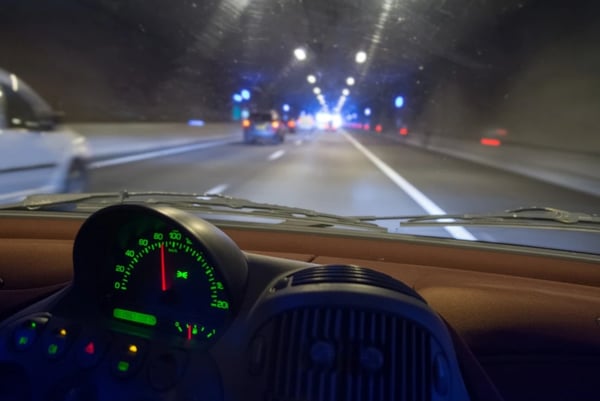
Ideal Products: High-output linear or modular LED tunnel lights featuring dimmable drivers for smooth luminance transitions, energy efficiency, and enhanced visibility.

Highway Tunnel Lights


Subway Tunnels and Stations

Focus: Pedestrian visibility, maintenance access, and aesthetics.

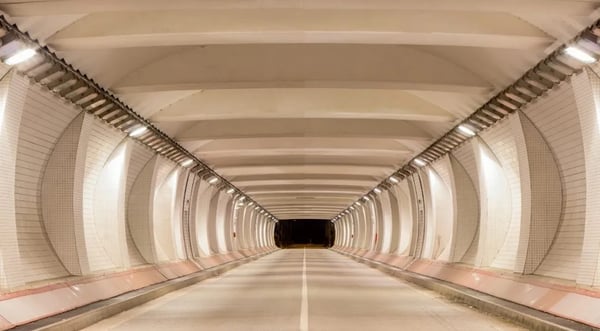
In subway environments, lighting isn't just practical—it's also a crucial design element that affects the user experience. Bright, clear illumination ensures pedestrians feel safe, while aesthetically pleasing designs enhance the overall appeal of public transportation infrastructure.

Key Considerations:

  • Low-glare fixtures: Essential for pedestrian comfort, reducing eye fatigue during prolonged exposure.
  • Emergency lighting integration: Ensures safety during power outages or emergencies, clearly marking exits and escape routes.
  • Motion sensors: Save energy by automatically dimming lighting when areas are unoccupied, improving efficiency and reducing maintenance frequency.
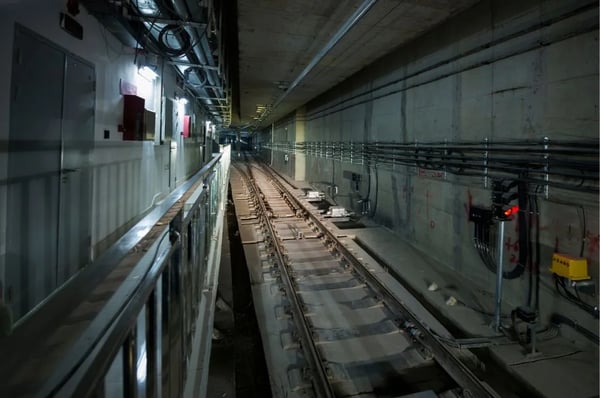
Ideal Products: Surface-mounted or recessed LED tunnel lights equipped with built-in emergency battery backups and integrated motion sensors to maximize safety and comfort.

Subway Tunnel Lights


Pedestrian Underpasses and Footpath Tunnels

Focus: Visibility, impact resistance, and inviting ambiance.

Pedestrian tunnels should feel safe and welcoming, not dark or intimidating. Lighting affects comfort, visibility, and overall usability, helping pedestrian tunnels feel clearer and more welcoming.

Key Considerations:

  • Warm CCT options (3000K–4000K): Warmer lighting promotes a friendly and inviting atmosphere, making users feel safer.
  • IK-rated housings: Durable fixtures withstand tampering, debris, or accidental impacts, reducing maintenance risk.
  • Motion detection: Adds security, enhances energy efficiency, and contributes to user comfort by brightening pathways when needed.
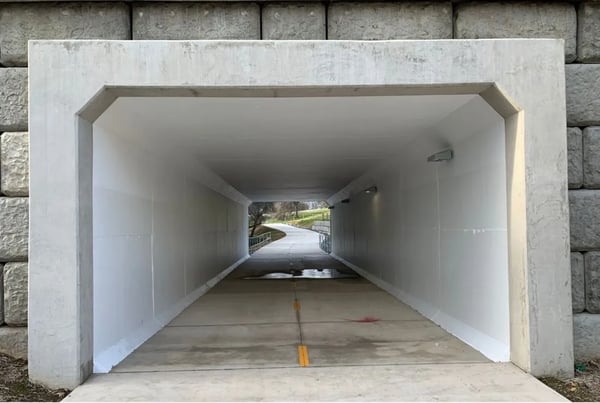
Ideal Products: Compact LED wall packs or impact-resistant LED tunnel lights, coupled with exit emergency lighting to clearly mark escape routes, boosting safety and compliance.

Pedestrian Tunnel


Rail and Freight Tunnels

Focus: Operational safety and equipment inspection.

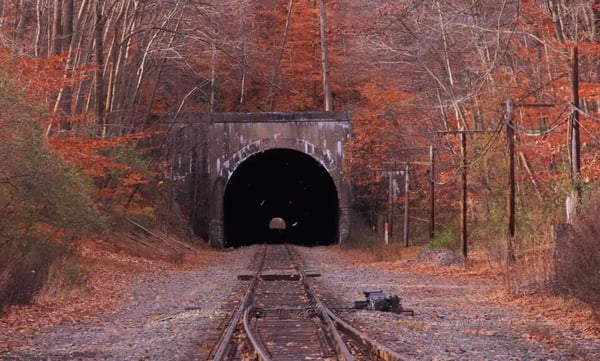
Rail and freight tunnels require reliable illumination for safe operations and effective maintenance checks. Lighting must withstand vibrations and harsh conditions, clearly illuminating tracks, signage, and critical infrastructure components.

Key Considerations:

  • Vibration resistance: Essential for reliability in environments with frequent train movements and heavy machinery.
  • Directional beam control: Precise illumination targets specific areas, aiding in detailed inspections and general operation management.
  • High CRI (Color Rendering Index): Ensures accurate color visibility, crucial during inspections or maintenance tasks where color differentiation is vital.
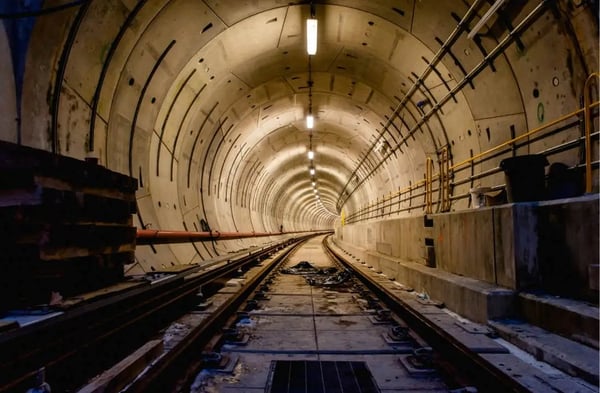
Ideal Products: Adjustable LED tunnel floodlights or rigid linear fixtures providing targeted, stable illumination suitable for demanding rail environments.

Freight Tunnel Lights


With an understanding of specific lighting needs in different environments, we can appreciate how targeted LED solutions greatly enhance safety, efficiency, and user experience in tunnels of all types.


Advantages of LED Tunnel Lights Across Environments

Across all tunnel types—from high-speed roadways to pedestrian underpasses—LED tunnel lights consistently outperform traditional lighting technologies. Let's explore why LED lighting solutions offer significant advantages in various environments:


Longer Lifespan (100,000–150,000+ Hours)

One of the most compelling reasons to switch to LED tunnel lighting is its remarkably long lifespan. LED fixtures typically operate for between 100,000 and 150,000 hours or even longer. Compared to traditional High-Intensity Discharge (HID) lighting, which might last only 15,000 to 25,000 hours, LEDs provide enormous long-term reliability, drastically reducing the frequency and cost of replacements.


Reduced Energy Consumption (Up to 70% Compared to HID)

LED tunnel lighting delivers substantial energy savings—typically up to 70% less than traditional HID lamps. This reduction translates directly into lower energy bills, which is especially beneficial for longer tunnels requiring continuous illumination. Energy-efficient LEDs also support sustainability goals, significantly cutting the carbon footprint of transportation infrastructure.


Lower Maintenance Costs in Hard-to-Access Tunnels

Maintenance in tunnels—particularly high-speed roadways or subway systems—is costly, disruptive, and sometimes hazardous. The durable nature of LED tunnel lights drastically reduces the need for frequent maintenance, cutting down labor costs, minimizing closures, and improving overall infrastructure availability. Fewer replacements mean fewer disruptions and reduced risks for maintenance teams.


Customizable Lighting Controls (Smart Lighting Integration)

LED tunnel lighting is highly adaptable, with customizable smart lighting controls and dimming options. Using integrated control systems, LEDs can adjust automatically to changes in traffic volume, weather conditions, or daylight levels, optimizing safety and efficiency. Such flexibility maximizes energy savings, provides convenient remote monitoring, and enhances responsiveness to varying conditions.


Environmentally Friendly (No Mercury, Lower Carbon Footprint)
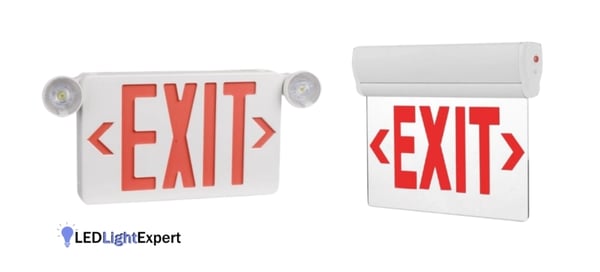
Unlike conventional lighting sources, LEDs contain no harmful materials like mercury or hazardous gases. This makes LED tunnel lights environmentally friendly, significantly reducing waste and environmental pollution during their lifecycle. Coupled with their lower energy consumption, LEDs substantially reduce the carbon footprint of any tunnel lighting installation.

Exit Sign Lights


Tunnels with higher traffic speeds demand greater illumination levels, precise beam angles, and robust glare control compared to pedestrian or low-speed tunnels.


Considerations When Choosing Tunnel Lighting

Selecting the right LED tunnel lights requires careful consideration of multiple factors. Here are essential criteria to keep in mind:


Tunnel Length and Traffic Type

The type and length of a tunnel heavily influence lighting design. Short tunnels typically require simpler lighting systems, whereas long tunnels need advanced luminance control to ensure safe transitions for drivers entering or exiting. Additionally, tunnels with higher traffic speeds demand greater illumination levels, precise beam angles, and robust glare control compared to pedestrian or low-speed tunnels.


Mounting Height and Structural Materials

Mounting heights directly impact the lighting distribution required for uniform coverage. Lower ceilings require wider beam angles and lower lumen fixtures, whereas higher ceilings need narrower, high-lumen outputs. Structural materials, such as concrete, steel, or reflective surfaces, affect how light disperses. Choosing fixtures suitable for your tunnel's specific construction helps achieve ideal light distribution.


Desired Control Systems (Dimming, Photocells, Motion Sensors)

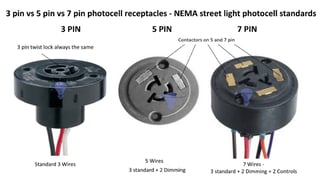
Advanced control systems significantly enhance tunnel safety, comfort, and efficiency. Smart lighting features, such as dimming capabilities, photocells, and motion sensors, allow lighting adjustments based on real-time conditions. Selecting fixtures compatible with these systems optimizes safety, energy efficiency, and ease of maintenance.


Regulatory Codes and Industry Standards (e.g., IESNA, EN 13201)
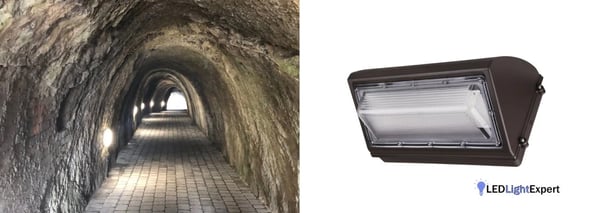
Compliance with relevant lighting standards and codes is essential. Organizations such as the Illuminating Engineering Society of North America (IESNA) and European Norm (EN 13201) provide detailed guidelines regarding illumination levels, uniformity, glare control, and color temperature. Ensuring your LED tunnel lighting system meets or exceeds these requirements safeguards compliance, safety, and optimal performance.

With these factors carefully considered, selecting effective LED tunnel lighting solutions becomes straightforward and ensures that your investment delivers long-lasting, high-quality illumination tailored to specific environments.

LED Wall Lights


LED Wall Lights for Tunnel Lighting Use - LED Light Expert


Conclusion

From highways to subways, and from pedestrian tunnels to rail passages, adequate tunnel lighting is essential for ensuring safety, efficiency, and comfort. Choosing high-quality LED tunnel lighting not only significantly reduces energy and maintenance costs but also ensures regulatory compliance and environmental sustainability.

Investing in the right tunnel lights enhances visibility, prevents accidents, and contributes positively to overall infrastructure performance and public perception. By carefully considering key factors, such as environment, control systems, and regulations, you can ensure that your tunnel lighting installation delivers outstanding, long-lasting results.

Your choice of tunnel lighting reflects your commitment to safety, sustainability, and functionality, illuminating the way clearly for everyone who travels through.

Exploring Tunnel Lights Across Different Environments: Buyer and Maintenance Checks

A good decision on tunnel lights across different environments starts with the real installation conditions, not just the product name. Check the application, mounting height, voltage, light level, glare, controls, wet or dust exposure, service access, and whether a photometric layout or qualified installer is needed before ordering.

CheckWhy it matters
ApplicationConfirms the fixture, lamp, control, or accessory fits the actual space and task.
Mounting and wiringPrevents fit, voltage, access, and safety problems during installation.
Controls and maintenanceProtects energy savings, usability, troubleshooting, and long-term performance.


Frequently Asked Questions

Common questions about LED tunnel lighting design, durability, and performance.


What is the best color temperature for tunnel lighting?

Most tunnel lighting specifications land in the 4000K to 5000K range. This neutral-white band delivers strong photopic visibility, accurate color rendering for signage and hazard recognition, and reduced eye strain for both motorists and pedestrians. Some pedestrian underpasses step down to 3000K to 4000K where a warmer, less institutional feel is wanted; rail and freight tunnels often push to 5000K for inspection clarity.


What IP rating is required for LED tunnel lights?

IP66 is the practical minimum for any road or rail tunnel. Tunnels see vehicle exhaust, road spray, pressure washing during maintenance cycles, and fine particulate from tire wear and braking. IP66 blocks dust ingress completely and protects against powerful water jets from any direction. Submerged or flood-prone applications step up to IP67 or IP68.


How do LED tunnel lights handle extreme conditions?

Quality LED tunnel fixtures combine die-cast aluminum housings with powder-coat corrosion protection, tempered glass or polycarbonate lenses, and vibration-rated drivers that survive constant traffic-induced oscillation. The same fixture is specified for temperature ranges from -40°F through +130°F, continuous operation without relamping, and IK08 or IK10 impact ratings to withstand debris strikes and tamper exposure. For the deepest dive into hostile environments, see our guide to harsh environment LED lights.


Why is the transition zone the most critical part of tunnel lighting design?

The transition zone at a tunnel entrance is where the majority of tunnel-related accidents happen. Drivers go from full daylight (up to 10,000 cd/m² on a sunny day) into the tunnel interior, and the human eye needs several seconds to adapt. CIE 88 and IESNA guidelines specify transition zone luminance levels that can be 5 to 10 times higher than the interior level near the portal, tapering gradually over 2 to 3 stopping distances to avoid the "black hole effect."


What energy savings do LED tunnel lights deliver versus HID or HPS?

Direct LED-for-HID replacements typically cut tunnel lighting energy by 50 to 70 percent. When LEDs are paired with adaptive controls — daylight-linked transition zone dimming plus traffic-responsive interior dimming — total savings reach 60 to 75 percent. For a long tunnel that runs 24/7, the combined energy and maintenance savings usually pay back the LED upgrade in two to three years.


Can tunnel lighting be automated?

Modern tunnel lighting is designed for automation. Daylight-linked photocells adjust transition zone output to match exterior luminance in real time. Traffic-responsive controls dim the interior zone during low-volume periods. Networked control platforms (DALI, 0-10V, or proprietary wireless) allow remote monitoring, fault reporting, and coordinated emergency response — all of which extend fixture life and reduce operational cost.
LED tunnel lights installed in a modern road tunnel


High-quality LED tunnel lights are designed to withstand tough environments.

Frequently Asked Questions

What is the best color temperature for tunnel lighting?
Most tunnel lighting specifications land in the 4000K to 5000K range. This neutral-white band delivers strong photopic visibility, accurate color rendering for signage and hazard recognition, and reduced eye strain for both motorists and pedestrians. Some pedestrian underpasses step down to 3000K to 4000K where a warmer, less institutional feel is wanted; rail and freight tunnels often push to 5000K for inspection clarity.
What IP rating is required for LED tunnel lights?
IP66 is the practical minimum for any road or rail tunnel. Tunnels see vehicle exhaust, road spray, pressure washing during maintenance cycles, and fine particulate from tire wear and braking. IP66 blocks dust ingress completely and protects against powerful water jets from any direction. Submerged or flood-prone applications step up to IP67 or IP68.
How do LED tunnel lights handle extreme conditions?
Quality LED tunnel fixtures combine die-cast aluminum housings with powder-coat corrosion protection, tempered glass or polycarbonate lenses, and vibration-rated drivers that survive constant traffic-induced oscillation. The same fixture is specified for temperature ranges from -40°F through +130°F, continuous operation without relamping, and IK08 or IK10 impact ratings to withstand debris strikes and tamper exposure.
Why is the transition zone the most critical part of tunnel lighting design?
The transition zone at a tunnel entrance is where the majority of tunnel-related accidents happen. Drivers go from full daylight (up to 10,000 cd/m² on a sunny day) into the tunnel interior, and the human eye needs several seconds to adapt. CIE 88 and IESNA guidelines specify transition zone luminance levels that can be 5 to 10 times higher than the interior level near the portal, tapering gradually over 2 to 3 stopping distances to avoid the 'black hole effect.'
What energy savings do LED tunnel lights deliver versus HID or HPS?
Direct LED-for-HID replacements typically cut tunnel lighting energy by 50 to 70 percent. When LEDs are paired with adaptive controls — daylight-linked transition zone dimming plus traffic-responsive interior dimming — total savings reach 60 to 75 percent. For a long tunnel that runs 24/7, the combined energy and maintenance savings usually pay back the LED upgrade in two to three years.
Can tunnel lighting be automated?
Modern tunnel lighting is designed for automation. Daylight-linked photocells adjust transition zone output to match exterior luminance in real time. Traffic-responsive controls dim the interior zone during low-volume periods. Networked control platforms (DALI, 0-10V, or proprietary wireless) allow remote monitoring, fault reporting, and coordinated emergency response — all of which extend fixture life and reduce operational cost.

Ready to upgrade? Tell us the space and we will size it with you.

Our lighting specialists can help compare options, confirm light levels, and quote the right products for your project.

Call 800-674-9420 or email [email protected]

Monday-Friday, 8am-5pm PST

Dara Greaney

About the Author

Dara Greaney

Dara Greaney is founder and CEO of LED Light Expert with deep expertise in commercial LED lighting, retrofits, and photometric planning.

Editing by David Peguero

Add Comment

Logo