


Quick Answer
Harsh environment LED lights should be selected by the hazard, not by a marketing label. Match the fixture to moisture, dust, washdown, salt air, vibration, impact, temperature, chemical exposure, and any hazardous-location classification. IP65 may be enough for some outdoor areas, but it is not enough for every corrosive, washdown, marine, or classified environment.
Selecting Harsh Environment LED Lights
Harsh environment lighting is for places where ordinary fixtures fail early: coastal sites, wastewater plants, food processing, cold storage, industrial yards, mines, transit facilities, chemical areas, and dusty or wet production spaces. The right fixture depends on the specific exposure.
Match Ratings to the Real Condition
- Water and dust: check IP65, IP66, IP67, IP68, or IP69K as appropriate.
- Impact: check IK rating where forklifts, tools, balls, or debris can hit the fixture.
- Corrosion: use suitable coatings, stainless hardware, sealed optics, and chemical-resistant materials.
- Temperature: verify both low-temperature startup and high-ambient operation.
- Hazardous areas: use fixtures listed for the exact class/division/zone/group where required.
Waterproof Is Not Explosion Proof
A sealed fixture can still be wrong for flammable gases, vapors, combustible dust, or ignitable fibers. Hazardous-location projects need a proper area classification and fixture markings that match that classification.
Practical Buying Advice
Ask for the spec sheet, installation instructions, listing file, warranty terms, ambient temperature range, surge protection, lens material, and chemical compatibility. For critical sites, test a sample fixture in the real environment before replacing an entire facility.
Harsh Environment Means More Than Wet Location
Harsh environment LED lights may need protection against moisture, dust, salt, chemicals, vibration, heat, cold, impact, pressure washing, or hazardous classification. Match the fixture to the actual exposure instead of assuming one rugged label covers everything.
| Exposure | Spec to check |
|---|---|
| Washdown | IP rating, gasket, lens, and cleaning chemicals. |
| Corrosion | Housing material, coating, and hardware. |
| Vibration | Mounting, driver, lens, and warranty limits. |
More Details From the Original Guide
A Guide to Selecting the Right Harsh Environment LED Lights. Navigating the world of lighting solutions can be a complex task, especially when it comes to selecting LED lights for harsh environments. Businesses often find themselves at a crossroads, trying to balance durability and performance under extreme conditions. . The importance of making informed decisions in such scenarios cannot be overstated. This guide aims to illuminate the path to choosing the right Harsh Environment LED Lights, ensuring that your business thrives even in the most challenging conditions. .
Why LED Lights Can be a Better Option for a Harsh Environment?. Challenges Posed by Harsh Environments: . Harsh environments present unique challenges that can significantly impact lighting solutions. Extreme temperatures, high humidity, excessive dust, and constant exposure to water can all shorten the lifespan of traditional lighting systems. . In these conditions, conventional lighting solutions often fail to provide the reliability and durability required. . In contrast, LED lights offer numerous advantages in such demanding environments. Their solid-state construction makes them inherently more resistant to shock and vibration. .
Moreover, LED lights are known for their energy efficiency, longer lifespan, and lower maintenance requirements, making them a more suitable and cost-effective option for challenging environments. Additionally, LED commercial lights are capable of instant illumination without the need for warm-up time, which is crucial in emergency situations.. . Assessing Environmental Conditions. Before selecting harsh environment LED lights, it's crucial for businesses to conduct a comprehensive assessment of their specific environmental conditions. This involves evaluating factors such as humidity levels, temperature variations, and the presence of airborne particles. .
Understanding these factors is key to choosing lighting solutions that can withstand the specific challenges of your environment.. What are the Key Factors to Evaluate?. In areas with high humidity, lighting solutions need to be resistant to moisture and potential corrosion. LED lights with sealed designs prevent moisture ingress, which is vital in such conditions. . Different LED lights perform variably across temperature ranges. It's essential to choose lights that can operate efficiently within the temperature extremes of your environment. High-quality LED lights are designed to maintain consistent light output even in fluctuating temperatures. .
In dusty or particulate-rich environments, lights must be designed to prevent the accumulation of particles that can impair functionality and reduce lifespan. LED fixtures with solid casings or protective covers are preferable in these settings.... How to Choose LED Lights for Harsh Environments?. In environments where water exposure is a common challenge, the waterproofing of LED lights is a critical factor. Effective waterproofing ensures the longevity and reliability of lighting in moist or wet conditions. . The Ingress Protection (IP) rating of a light fixture indicates its level of protection against solids and liquids.
For instance, an IP rating of IP65 suggests that the light is dust-tight and can withstand water jets. . Higher IP ratings, like IP67 or IP68, indicate an even higher level of protection, suitable for submersion in water. This makes them ideal for environments like marine settings, outdoor applications, and manufacturing facilities with frequent water exposure. . Dust resistance is particularly crucial in industrial environments where dust and particulate matter are prevalent. Without proper resistance, dust can accumulate inside the light fixtures, leading to overheating, reduced light output, and even premature failure. .
Design Features for Dust Resistance . Look for high quality LED lights designed with sealed housing and specialized coatings that repel dust and facilitate easy cleaning, thereby ensuring consistent performance and a longer lifespan. . The performance of LED lights can vary significantly with temperature changes. In extremely cold or hot environments, lights without adequate temperature tolerance can experience reduced efficiency, color shifting, or even failure. . When selecting LED lights for harsh environments, it's vital to consider the operating temperature range of the lights.
Ensure that the chosen products can withstand the temperature extremes of your specific environment without compromising on performance or lifespan.... How to Make an Informed Decision When Buying Harsh Environment LED Lights?. When it comes to selecting the right harsh environment LED lights, having a structured approach can significantly streamline the decision-making process. Below is a practical checklist to guide businesses in their selection:. Conduct a detailed analysis of your environment to understand the specific challenges.
This includes not only measuring humidity, temperature extremes, and dust levels but also considering factors like the presence of chemicals, potential mechanical impacts, and exposure to UV rays. . Long-term Monitoring: Consider long-term environmental data to account for seasonal changes or unusual weather events that might affect lighting performance. Check Waterproofing and Dust Resistance: IP Rating Suitability: Match the IP rating of the LED lights to your environment.
For instance, IP65 may be sufficient for environments with occasional splashing water, while IP67 or IP68 ratings are necessary for areas prone to regular submersion or high-pressure water jets. Regular Maintenance Check: Consider ease of maintenance and cleaning of the fixtures, as waterproofing and dust resistance can be compromised over time due to wear and tear. Evaluate Temperature Tolerance: Ensure that the LED lights can operate effectively across a wide range of temperatures, particularly if the environment experiences significant temperature fluctuations.
Testing Under Extreme Conditions: Look for products that have been tested and rated for performance at the extreme ends of their operational temperature range to ensure reliability under all expected conditions.. Task-Specific Customization: Evaluate the necessity of features like adjustable brightness and color temperature based on the tasks performed in the environment. For precision work, finer control over lighting can greatly enhance efficiency and accuracy. Future Flexibility: Consider whether the lighting system offers the flexibility to adapt to future changes in use or layout of the space.. Warranty, Support and Certifications.
Examine the warranty terms in detail, understanding what is covered and for how long. This includes looking at the conditions that might void the warranty. . Responsive Support: Gauge the responsiveness and expertise of the manufacturer's support team. Quick and knowledgeable support can be invaluable in resolving any issues that arise. Certifications: Relevance of Certifications: Ensure that the certifications are relevant to your specific needs.
For example, in explosive environments , look for ATEX or IECEx certification or DLC Premium based on their lumen maintenance, color rendering capabilities, light distribution, longevity, and the duration of the warranty period. Ongoing Compliance : Check if the manufacturer maintains their certifications with regular audits and updates, as this indicates a commitment to ongoing compliance and quality. Material Durability : Investigate the types of materials used in the LED lights, focusing on their durability and suitability for your specific environmental conditions.
Corrosion Resistance: For environments with high humidity or chemical exposure, check for corrosion resistance in the materials used... Choosing the right harsh environment LED lights is not just about illuminating a space; it's about ensuring continuity and safety in challenging conditions. . By understanding the specific needs of your environment, considering factors like waterproofing, dust resistance, and temperature tolerance, and focusing on quality and support, businesses can make informed decisions that lead to long-lasting, efficient lighting solutions. Remember, the right lighting is not an expense; it's an investment in productivity and safety...
Frequently Asked Questions
- What are harsh environment LED lights?
- Harsh environment LED lights are fixtures built for conditions such as moisture, dust, washdown, salt air, vibration, extreme temperatures, chemicals, or impact. They usually need stronger housings, seals, coatings, lenses, hardware, and ratings than standard commercial fixtures.
- Is IP65 enough for harsh environments?
- IP65 can be enough for some wet or dusty outdoor areas, but it is not universal. Washdown, coastal, food processing, marine, corrosive, dusty, or hazardous locations may require IP66, IP67, IP69K, corrosion-resistant materials, impact ratings, or hazardous-location listings.
- Do harsh environment lights need explosion-proof ratings?
- Only if the area is classified for flammable gases, vapors, combustible dust, or ignitable fibers. A fixture can be waterproof or rugged without being approved for hazardous classified locations.
- What should I check before buying harsh-rated lighting?
- Check IP rating, operating temperature, lens material, housing finish, fasteners, corrosion resistance, vibration rating, surge protection, chemical exposure, mounting, and whether the location needs a hazardous-location listing.
Waterproof Ip Rating LED Lighting Guide A detailed guide to understanding IP ratings including IP54, IP64, IP65, and IP67.
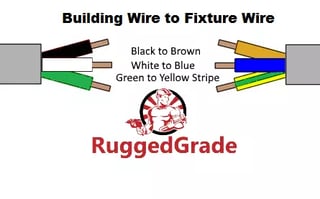
Wiring Color Codes What Does Brown Blue Green Stripe Mean LED Lighting Guide Wiring Color Codes: What Does Brown, Blue, Green Stripe Mean?
How to Calculate the Amp and Power Load of LED Lights LED Lighting Guide Calculating the Amp Load of LED Lights and Understanding Your Power Load and Breakers.
Ready to Upgrade Your LED Lighting?
Our lighting specialists can help compare options, confirm light levels, and quote the right products for your project.
Call 800-674-9420 or email [email protected]
Monday-Friday, 8am-5pm PST


Trusted by Thousands
Our customers love us — and we love them back.


-
 Free Shipping
On orders over $49.00
-
 Free Extended Warranty
Up to 7 Years Free Warranty On LED Lights
-
100% Satisfaction Guarantee
