


They can be, but brightness depends on lumens, optics, fixture design, and placement.
Proper LED Illumination Guide
Proper illumination is not the same as maximum brightness. A space needs enough useful light for the task, but too much light or poorly aimed light can create glare, harsh contrast, and wasted energy. Good LED lighting starts with the activity, then balances lumens, distribution, CCT, CRI, beam angle, mounting, dimming, and controls.
What to Check First
- Define the task: walking, reading, inspection, assembly, display, parking, or wayfinding.
- Compare lumens, footcandles or lux, CCT, CRI, beam angle, and uniformity.
- Review glare, shadows, controls, and maintenance after installation.
Application Decision Table
| Use Case | Practical Guidance |
|---|---|
| Office or classroom | Use comfortable, even light with glare control and task flexibility. |
| Warehouse or shop | Use enough vertical and horizontal light for work, labels, and movement. |
| Outdoor paths or lots | Use shielded, controlled light with attention to spill and contrast. |
How to Think About Brightness
- Lumens describe light output.
- Footcandles and lux describe light reaching a surface.
- Beam angle and mounting decide where the light lands.
- CCT affects appearance, not total brightness.
- Controls help match light to time and use.
Common Mistakes to Avoid
- Assuming brighter always means better.
- Using watts instead of light output and layout.
- Ignoring glare, shadows, color quality, and user feedback.
Proper Illumination Is More Than Bright LEDs
Good LED lighting is measured by how well people can see the task, not by the highest lumen number on the box. A plan should balance light level, uniformity, glare, shadows, color temperature, color rendering, mounting height, beam angle, and controls. Too little light causes missed detail; too much poorly aimed light can create glare and discomfort.
| Question | What it changes |
|---|---|
| What task is being done? | Inspection, driving, storage, retail, and office work need different target light levels. |
| Where does the light land? | Spacing and optics determine uniformity and shadow control. |
| Can people see the LED source directly? | Shielding, lenses, and aiming reduce glare. |
| Will the space be occupied for long periods? | Comfort, flicker quality, CCT, and dimming become more important. |
Why Proper Illumination Matters
Lighting does more than make a room visible — the right level and design set the mood and make a space feel cared for and inviting. Three layers do the work together: ambient lighting as the general source, task lighting for close work, and accent lighting (wall sconces, floodlights) to highlight art or architecture and create a focal point. Dimmers let you tune any of them warm and cozy or bright and productive.
Light also affects how we feel and see. Bright daytime-quality light supports alertness and focus and is a recognized part of therapy for seasonal low mood, because light exposure influences the body's serotonin and melatonin balance and circadian rhythm. Good, bright illumination also helps aging eyes — it makes small print easier to read and reduces the eye strain and fatigue that dim light causes. (For genuine mood or vision concerns, a clinician is the right call; lighting is a support, not a treatment.)
Brightness Is Lumens, Not Watts
Judge a light by lumen output, not wattage — lumens measure the light produced, watts measure the power drawn. LED breaks the old link between the two: an 8.5-watt LED matches the output of a 75-watt incandescent, and efficient fixtures reach up to 180 lumens per watt. Decide the lumen level the space needs first, then choose the fixture and the right color temperature to deliver it.
Compact, Cool, and Well-Cooled
LEDs pack bright output into small fixtures, so a compact bulb can carry ambient light for a large room. They also run far cooler than incandescent — no burn risk for children and far less fire risk. They are not heat-free, though: an LED converts most of its energy to light and moves the rest into a heat sink at the base of the bulb. That heat management is what protects lifespan, so avoid installing standard LED bulbs in fully enclosed fixtures, and remember that brighter (higher-wattage) LEDs make more heat and need more dissipation.
Where Bright LED Lighting Pays Off
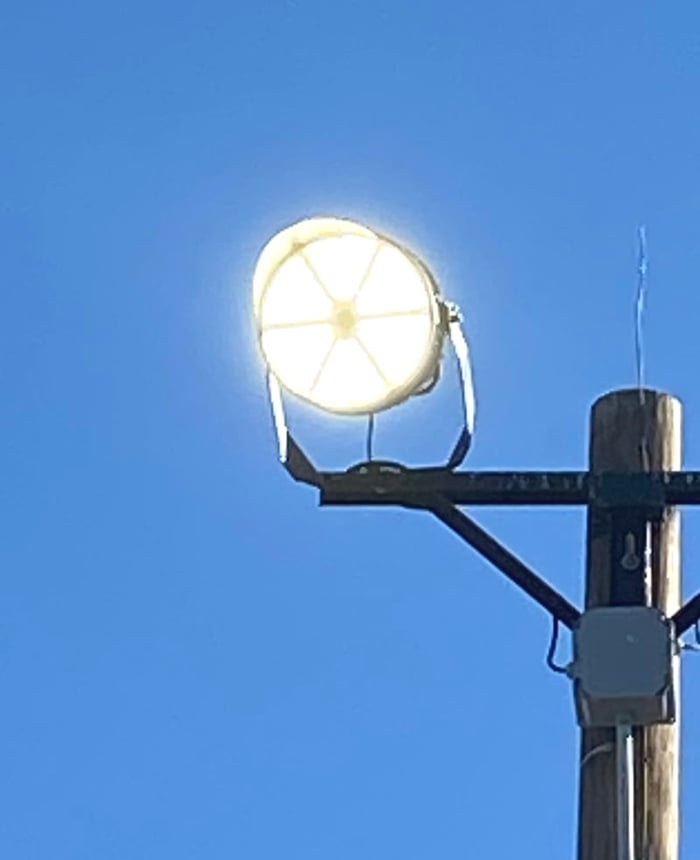
Bright, well-placed light lifts productivity in work areas that lack daylight, sets the mood in restaurants and retail, and, with LED flood lights, delivers the high levels stadiums and large outdoor areas demand. At home, layering task, ambient, and accent LEDs room by room is the simplest way to make a space both comfortable and efficient.
More Details to Consider
Proper illumination is not the same as maximum brightness. Good lighting puts enough useful light on the task while controlling glare, shadows, contrast, color appearance, and energy use.
Use lumens to compare products and footcandles or lux to evaluate the space. Beam angle, mounting height, lens, spacing, and surface reflectance decide how much of the light reaches the work area.
Lighting can affect comfort and visibility, but avoid treating ordinary LEDs as a health product. If people report headaches or eye strain, check glare, flicker, dimming compatibility, contrast, and layout before simply adding more brightness.
Frequently Asked Questions
- Are LED lights brighter?
- They can be, but brightness depends on lumens, optics, fixture design, and placement.
- What is proper illumination?
- It is enough well-distributed light for the task without excessive glare or waste.
- Are bright LED lights bad for you?
- Normal listed lighting used as intended is different from glare, flicker, or poor placement. Comfort problems should be corrected by design.
- Should I use footcandles or lumens?
- Use lumens to compare products and footcandles or lux to evaluate the space.

Ready to Upgrade Your LED Lighting?
Our lighting specialists can help compare fixtures, confirm light levels, and quote products that fit the site.
Call 800-674-9420 or email [email protected]
Monday-Friday, 8am-5pm PST

About the Author
Dara Greaney is founder and CEO of LED Light Expert with deep expertise in commercial LED lighting, retrofits, and photometric planning.
Editing by David Peguero

Trusted by Thousands
Our customers love us — and we love them back.


-
 Free Shipping
On orders over $49.00
-
 Free Extended Warranty
Up to 7 Years Free Warranty On LED Lights
-
100% Satisfaction Guarantee
