

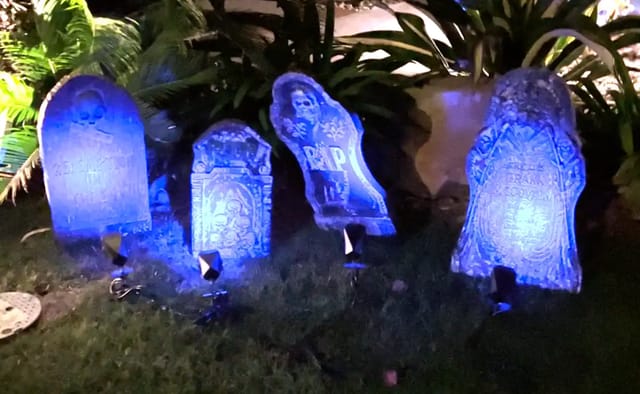
A spotlight has a tighter beam; a flood light spreads light over a wider area.
LED Spotlights Guide
A spotlight is useful when you need controlled light on a target, not general brightness everywhere. The important specifications are beam angle, center-beam intensity, delivered lumens, field angle, color quality, glare control, dimming compatibility, mounting, and heat management.
What to Check First
- Define the target: sign, display, landscape feature, architectural detail, stage, or work area.
- Compare beam angle, candela, lumens, CCT, CRI, driver, dimming, voltage, and mounting hardware.
- Test aiming and glare from normal viewing positions before final installation.
Application Decision Table
| Use Case | Practical Guidance |
|---|---|
| Accent lighting | Use narrower beams, careful aiming, and dimming to avoid harsh hot spots. |
| Security or work area | Use broader coverage or flood optics if the goal is area visibility. |
| Retail or display | Check color quality, beam consistency, heat, and track compatibility. |
Specification Checklist
- Beam angle
- Center-beam candela
- Delivered lumens
- CCT and CRI
- Dimming method
- Mounting and aiming range
Common Mistakes to Avoid
- Using a spotlight when a flood light or area light is needed.
- Buying by watts instead of beam performance.
- Ignoring glare and aiming after installation.
Spotlights Are About Beam Control
An LED spotlight should be chosen by beam angle and intensity, not lumens alone. A narrow beam can look brighter on a target because it concentrates light, while a wider flood spreads light across a larger area. Match the beam to the object, ceiling height, mounting location, glare tolerance, and dimmer or control system.
| Spec | What it tells you |
|---|---|
| Beam angle | How narrow or wide the light spread will be. |
| Candela | How intense the beam is in the aimed direction. |
| Lumens | Total light output, which may be spread wide or tight. |
| CRI and CCT | Color quality and visual tone for retail, art, displays, or task use. |
More Details to Consider
LED spotlights are selected by beam angle, candela, mounting distance, CCT, CRI, dimming, driver compatibility, and the target surface. A narrow beam can make a sign, tree, column, or display stand out; a wider beam is better when the goal is softer coverage.
Retrofits need extra care. MR16, GU10, PAR, and landscape spotlights may have different voltage, transformer, enclosure, heat, and dimming requirements. Confirm the fixture rating before assuming a lamp will fit and run correctly.
Good spotlighting is controlled lighting. Aim the beam at the subject, avoid direct glare into eyes or windows, and test the look after dark so the final result is intentional instead of harsh or uneven.
Frequently Asked Questions
- What is the difference between a spotlight and flood light?
- A spotlight has a tighter beam; a flood light spreads light over a wider area.
- Are watts useful for choosing spotlights?
- Watts show energy use, but beam angle, candela, and lumens tell more about performance.
- What beam angle should I choose?
- Choose a narrow beam for small distant targets and a wider beam for larger close targets.
- Do LED spotlights need dimmers?
- Dimming is useful, but the driver and dimmer must be compatible.

Ready to Upgrade Your LED Lighting?
Our lighting specialists can help compare fixtures, confirm light levels, and quote products that fit the site.
Call 800-674-9420 or email [email protected]
Monday-Friday, 8am-5pm PST

About the Author
Dara Greaney is founder and CEO of LED Light Expert with deep expertise in commercial LED lighting, retrofits, and photometric planning.
Editing by David Peguero

Trusted by Thousands
Our customers love us — and we love them back.


-
 Free Shipping
On orders over $49.00
-
 Free Extended Warranty
Up to 7 Years Free Warranty On LED Lights
-
100% Satisfaction Guarantee
