


Lighting efficacy is lumens per watt: how much visible output a lamp or fixture produces for each watt consumed. Lighting efficiency is broader and can include driver losses, optics, heat, fixture design, and how much usable illumination reaches the task area. Do not compare watts alone; compare delivered lumens, lumens per watt, beam pattern, color quality, and application fit.
Why is it Important to Understand these Terms in Relation to LED Lighting?
Lighting is vital in any space, whether it is a residential space, office, or industrial facility. In addition to illuminating an area, lighting helps set the mood, improving productivity. For enhanced productivity, you must first of all be able to distinguish between light efficiency and efficacy.
Light efficacy and light efficiency are two very crucial factors in lighting. Generally, efficacy is how well a particular light source converts electrical energy into visible light. On the other hand, light efficiency considers the overall performance of an entire lighting system. Light efficacy is essential in lighting because of its impact on the environment, energy usage, as well as the cost of energy. In contrast, light efficiency determines the amount of heat generated, the lifespan of a light source, and the lighting quality.
The ever-growing demand for energy-efficient lighting explains the ever-increasing traction for LED lighting. Even so, it is known that the efficiency of LEDs varies widely, hence the reason for thorough research when buying LED lighting systems.
To be able to optimize the numerous benefits associated with LED lighting, you must, first of all, understand light efficacy and light efficiency in relation to LED lighting.
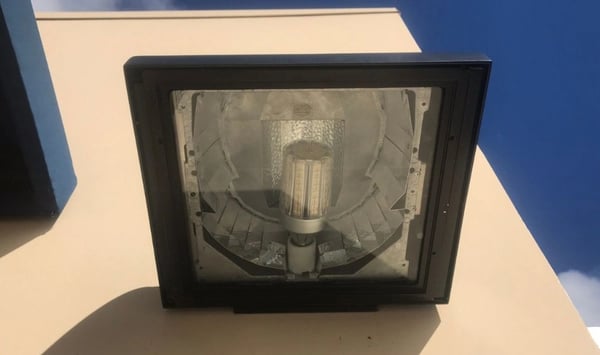
Understanding Light Efficiency
As aforementioned, light efficiency measures how well a particular lighting system produces usable, visible light from electrical energy. Lighting systems operate by converting electrical energy into usable, visible light. Some factors that affect light efficiency include the efficiency of the light source, reflector, ballast, and other lighting system components.
Light efficiency can be expressed as the ratio of power input to power output. In other words, it is expressed as luminous flux (lumens) divided by the power consumed (watts) in units of lm/w. Luminous efficiency can also be measured in the percentage of the light produced by a lamp to the total amount of light produced by the fixture.
Another important aspect of light efficiency is the light output ratio (LOR), typically expressed as a percentage. It assesses how much light is trapped or lost within the luminaire. LOR helps us determine the amount of usable (useful) light that a given lighting product provides, which translates to its efficiency. A 70 to 90 percent LOR is considered an acceptable range for most lighting systems. The higher the percentage, the better the performance.
Light efficiency is calculated by dividing the number of lumens of a light source by the total watts. A higher figure for the lumens per watt (lm/w) implies more efficiency, while a lower one means low efficiency.
For example:
A 40W light bulb that uses 40 watts of electrical energy to produce 500 lumens will have an energy efficiency of 12.5 lumens per watt (12.5 lm/w).
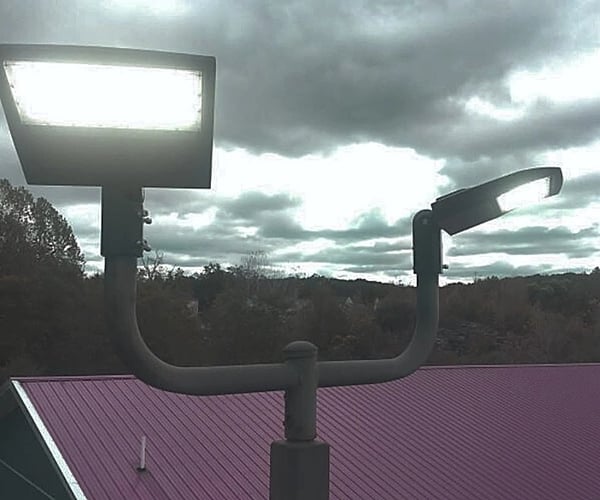
Understanding Light Efficacy
Light efficacy can otherwise be described as how much useable light (or useful) a light source provides per unit of electrical measure. It measures the amount of visible light produced by a light source. It is the ratio of luminous flux, measured in lumens to power, in watts. Depending on the context, the power can be the total electrical energy a light source uses or its radiant flux.
The knowledge of total light output is crucial for measuring light efficacy. The total light output of a light source is the total quantity of light it gives, including both useful and wasted light. With this information, you can establish the performance of a given light source.
Efficacy is typically arrived at by dividing the lumens as offered by a lighting fixture by the total wattage that the lighting fixture utilized. For example, a light bulb using 50 watts of energy to give 2,066 lumens has a light efficacy of 41.32 lumens per watt. Such a light efficacy is not within the readily acceptable range. Most modern LEDs are over 100lm/w, with some above 150lm/w. LEDs have the best light efficacy.
The Importance of Light Efficiency and Light Efficacy for LEDs
Below are the impacts of light efficiency and light efficacy on LED lighting systems:
- It is evident that LEDs are more efficient than conventional lighting systems. They have a higher lighting efficiency than their conventional counterparts. However, their efficiency varies broadly from product to product.
- An LED lighting system with a higher energy efficiency translates to energy savings and reduced operating costs. LEDs with higher efficiency also tend to last longer than their counterparts with lower efficiency.
- The light output of high-efficacy LEDs gives bright light and vice versa. Therefore, if you are looking for a lighting fixture with an enhanced overall light output and brightness, a high-efficacy LED lighting fixture is your best option.
- Luminous efficacy is a key performance indicator for LED lights. For improved performance and visual comfort, consider the light efficacy of a light bulb before purchasing.
How to Compare Products
Start with delivered lumens and system watts, then review the beam pattern, color quality, glare, controls, warranty, and photometric layout. The highest lumens-per-watt number is not always the best choice if the fixture puts light in the wrong place.
| Term | What it helps compare |
|---|---|
| Efficacy | Lumens per watt from the product or system. |
| Efficiency | How well the complete lighting system turns power into useful light for the task. |
| Delivered light | How much useful light reaches the surface after optics, spacing, and mounting are considered. |
Frequently Asked Questions
- What is light efficacy?
- Light efficacy measures how many lumens a light produces per watt of electrical input.
- Is higher lumens per watt always better?
- Not by itself. Beam control, glare, CRI, CCT, reliability, and fixture placement also affect real-world performance.
- How should I compare LED efficiency?
- Compare delivered lumens, system watts, lumens per watt, controls, warranty, thermal design, and the fixture distribution.

More Details to Consider
Efficacy is the most useful first comparison for LED products because it shows how many lumens are produced for each watt consumed. It does not tell the whole story, but it quickly separates efficient fixtures from products that only look bright because they draw more power.
Efficiency is a broader system idea. Optics, lenses, reflectors, drivers, heat management, dirt depreciation, controls, and fixture placement all affect how much useful light reaches the task area.
For real projects, compare delivered lumens, lumens per watt, distribution, CCT, CRI, glare, controls, warranty, and photometric layout. A high-efficacy fixture can still be wrong if the beam pattern, color quality, or mounting plan does not fit the space.
Ready to Upgrade Your LED Lighting?
Our lighting specialists can help compare options, confirm light levels, and quote the right products for your project.
Call 800-674-9420 or email [email protected]
Monday-Friday, 8am-5pm PST

About the Author
Dara Greaney is founder and CEO of LED Light Expert with deep expertise in commercial LED lighting, retrofits, and photometric planning.
Editing by David Peguero

Trusted by Thousands
Our customers love us — and we love them back.


-
 Free Shipping
On orders over $49.00
-
 Free Extended Warranty
Up to 7 Years Free Warranty On LED Lights
-
100% Satisfaction Guarantee
