

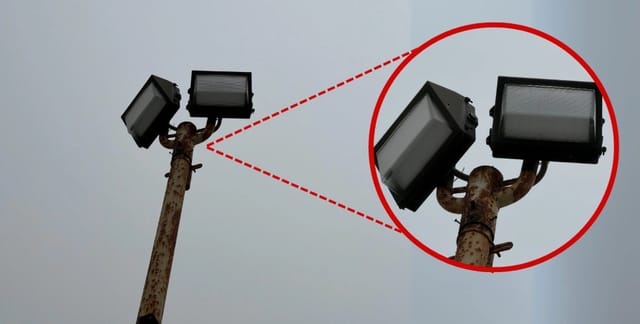
Lighting Errors Wall Pack vs. Slip Fit Mount
Lighting Errors Wall Pack vs. Slip Fit Mount: Buyer and Maintenance Checks
A good decision on wall pack vs slip fit mounting starts with the real installation conditions, not just the product name. Check the application, mounting height, voltage, light level, glare, controls, wet or dust exposure, service access, and whether a photometric layout or qualified installer is needed before ordering.
| Check | Why it matters |
|---|---|
| Application | Confirms the fixture, lamp, control, or accessory fits the actual space and task. |
| Mounting and wiring | Prevents fit, voltage, access, and safety problems during installation. |
| Controls and maintenance | Protects energy savings, usability, troubleshooting, and long-term performance. |
Understanding the Differences Between Wall Packs and Slip Fit Mount Lights
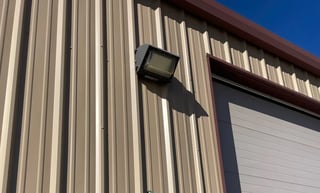
- Directional Lighting: They focus light in a downward and outward direction, ideal for illuminating areas close to the mounting surface.
- Energy Efficiency: LED technology ensures lower energy consumption and reduced operating costs.
- Durability: Built to withstand harsh weather conditions, making them suitable for year-round outdoor use.
- Security Enhancement: Provide consistent lighting that can deter unwanted activities around the building.
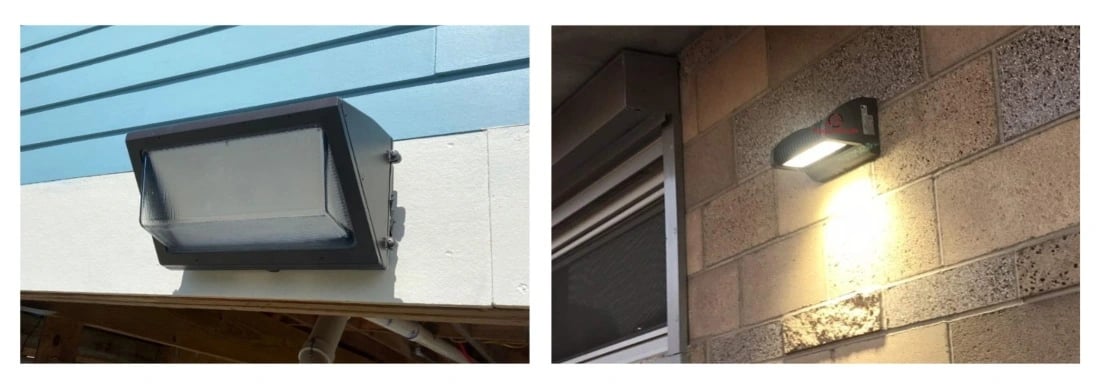
- Wide Coverage: Designed to cast light over large areas with minimal dark spots.
- Adjustability: The mounting system allows for easy adjustments to the light's angle and direction.
- High Intensity: Equipped with powerful LEDs to provide bright illumination suitable for high-traffic or activity-intensive areas.
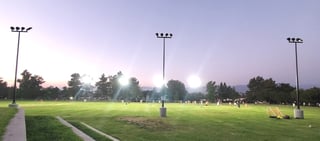
- Versatility: Ideal for various applications, from parking lots to recreational fields.
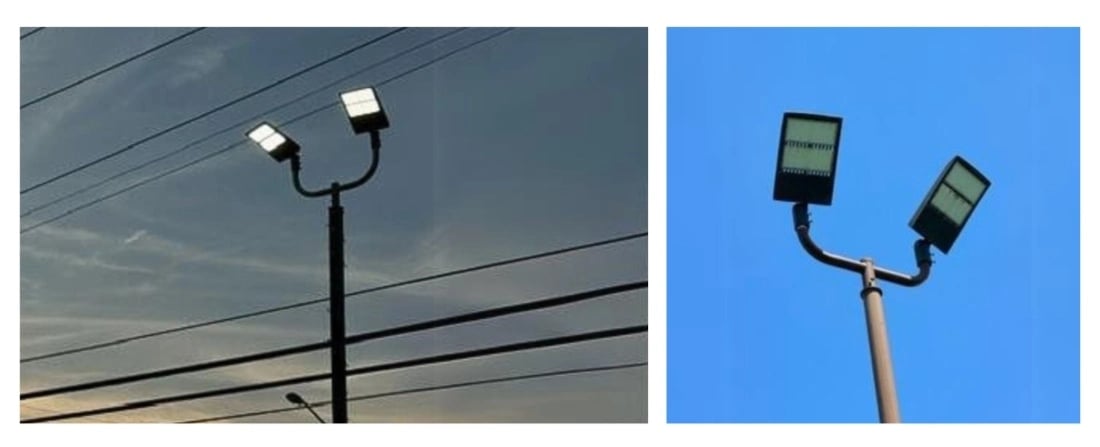
- Mounting Height and Position: Wall packs are meant to be mounted at lower heights on vertical surfaces, while slip-fit mounts are installed on poles at greater heights.
- Light Distribution Patterns: Wall packs offer a more focused, directional light suitable for close-range illumination. Slip-fit mounts provide a broad, widespread light ideal for covering expansive areas.
- Aiming and Adjustability: Slip-fit mounts allow for adjustable aiming, which is essential for large area coverage. Wall packs generally have fixed positions with limited adjustability.
- Inefficient Lighting: Using wall packs on poles can lead to insufficient illumination of the intended area, creating safety hazards due to poor visibility.
- Light Pollution and Glare: Installing slip-fit mounts on walls can cause excessive light spill and glare, affecting neighboring properties and violating local lighting ordinances.
- Energy Waste: Improper use of fixtures can result in unnecessary energy consumption without delivering the desired lighting outcomes.
- Safety Risks: Inadequate or excessive lighting can compromise security measures, increasing the risk of accidents or unwanted activity.
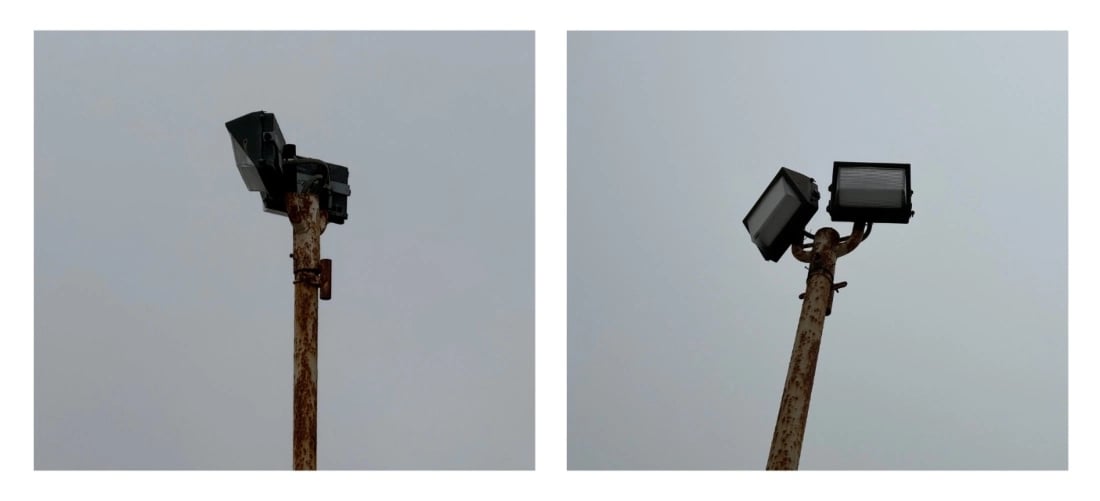
Correct Uses for Wall Pack Lights
- Building Perimeters: Provide illumination around the exterior walls of a building to enhance security and visibility.
- Entrances and Exits: Lighting doorways to ensure safe entry and exit for occupants.
- Walkways and Pathways: Illuminating pedestrian areas adjacent to buildings to prevent trips and falls.
- Loading Docks and Service Areas: Enhancing safety in areas where goods are loaded and unloaded.
- Mounting Height: Typically installed at heights between 2 to 4 meters (about 7 to 13 feet) to ensure optimal light distribution without causing glare.
- Spacing: Proper spacing between fixtures is essential to avoid dark spots and ensure uniform illumination.
- Orientation: Should be angled appropriately to direct light downward and outward, minimizing light trespass and sky glow.
- Enhanced Security: Well-lit perimeters improve visibility around vulnerable areas and improve surveillance camera effectiveness.
- Safety for Occupants: Adequate lighting reduces the risk of accidents for people entering or exiting the building.
- Aesthetic Appeal: Modern wall packs can enhance the architectural features of a building when thoughtfully selected and placed.
- Energy Efficiency: LED wall packs consume less energy and have longer lifespans, reducing maintenance and replacement costs.
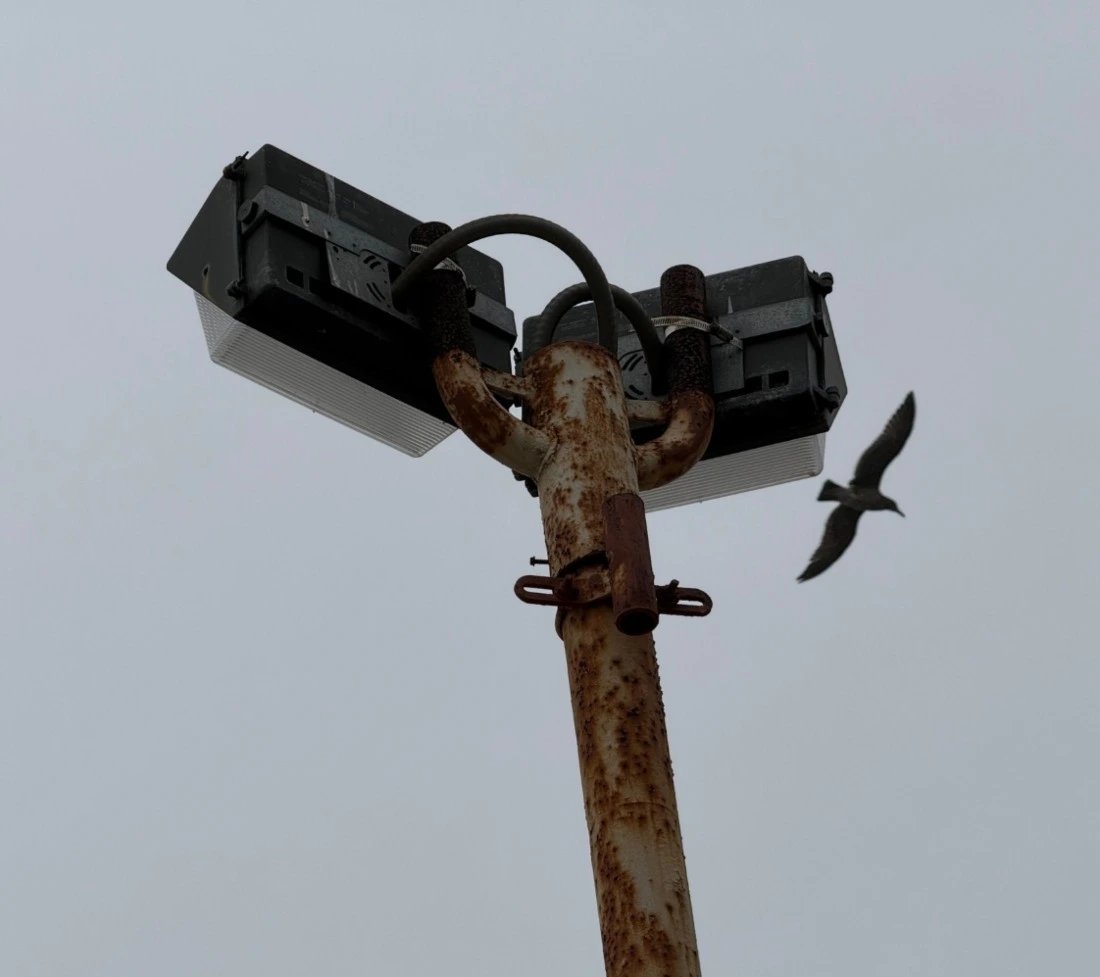
Proper Applications for Slip-Fit Mount Lights
- Parking Lots: Providing broad illumination to enhance driver and pedestrian safety.
- Sports Fields: Ensuring adequate lighting for nighttime sporting events and activities.
- Industrial Yards: Lighting large work areas for improved operational safety and efficiency.
- Roadways and Highways: Enhancing driver visibility, reducing the risk of accidents.
- Mounting Height: Typically installed on poles ranging from 6 to 12 meters (20 to 40 feet) high to maximize coverage.
- Pole Placement: Strategic positioning of poles to ensure even light distribution and eliminate dark spots.
- Angle Adjustment: Utilizing the adjustable slip fitter to aim the light precisely where needed, minimizing light pollution.
- Improved Safety: Adequate lighting reduces the likelihood of accidents and enhances security in public spaces.
- Uniform Illumination: Provides consistent light levels across large areas, improving visibility and comfort.
- Flexibility: Adjustable fixtures allow for customization based on specific lighting needs.
- Cost-Effectiveness: Efficient lighting reduces energy consumption and maintenance costs over time.
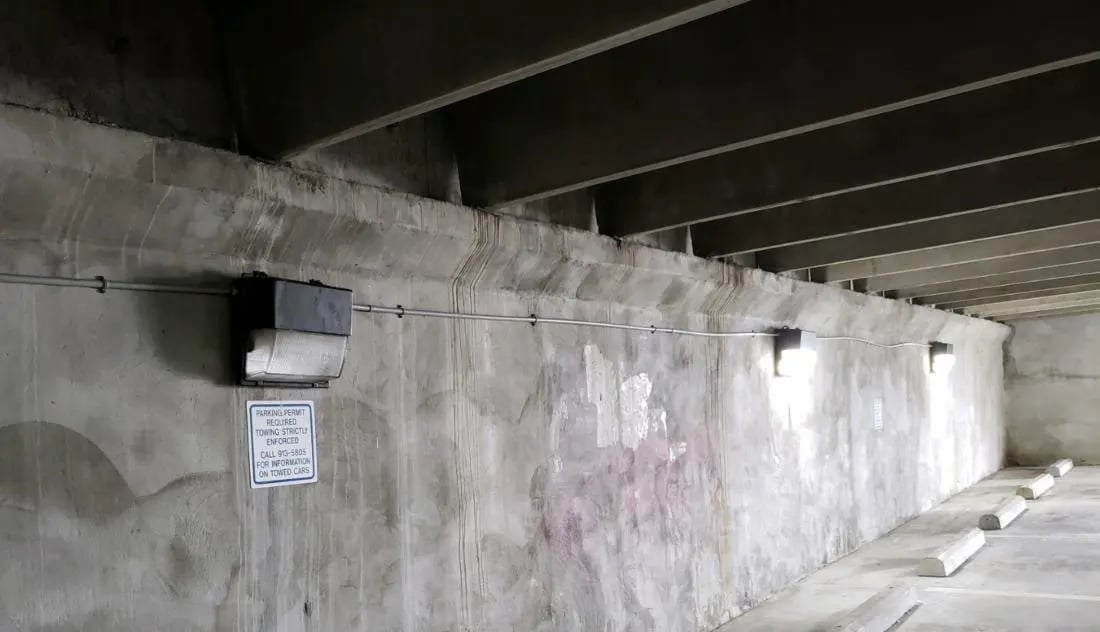
Common Lighting Mistakes to Avoid
- Insufficient Coverage: Wall packs lack the intensity and distribution needed for large areas, resulting in poorly lit spaces.
- Safety Hazards: Dim or uneven lighting increases the risk of accidents and can compromise security.
- Regulatory Non-Compliance: May fail to meet local lighting codes and standards for public spaces.
- Excessive Light Spill: High-intensity slip-fit mounts can cause light to spill into unwanted areas, including neighboring properties or the night sky.
- Glare Issues: Excessive brightness can cause discomfort or temporary blindness, posing safety risks.
- Energy Waste: Over-illumination leads to unnecessary energy consumption without added benefits.
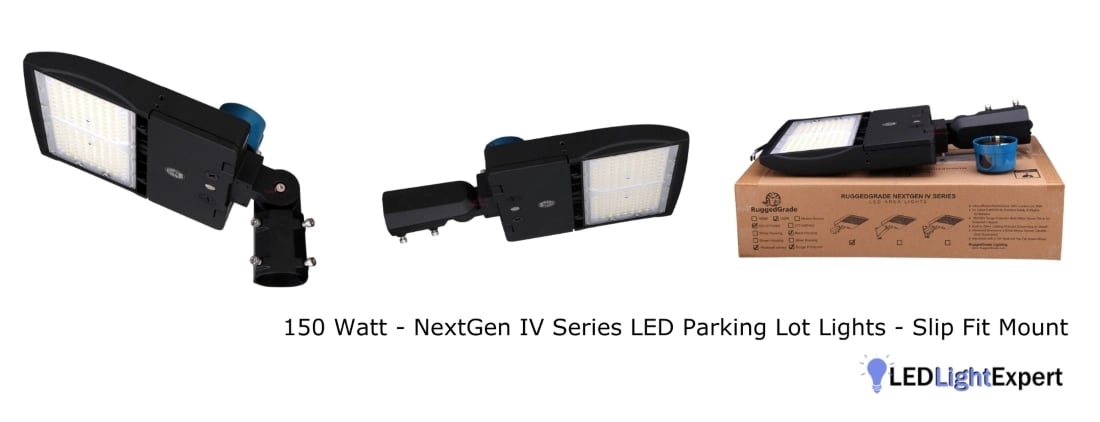
Choosing the Right Light Fixture for Your Space
- Size: Larger areas require fixtures with broader coverage.
- Layout: Obstructions like trees or buildings may influence fixture placement and type.
- Focused vs. Widespread: Decide if you need concentrated light or uniform illumination over a wide area.
- Intensity Levels: Consider the appropriate brightness to meet the area's requirements without causing glare.
- Existing Structures: Utilize available walls or poles appropriately.
- Installation Feasibility: Assess whether new poles or mounting structures are needed.
- LED Technology: Opt for LED fixtures for better efficiency and longevity.
- Control Features: Consider fixtures with motion sensors, dimmers, or timers to save energy.
- Local Regulations: Ensure the lighting plan meets municipal codes regarding light pollution, safety standards, and environmental impact.
- Dark Sky Compliance: Choose fixtures that minimize upward light emission to protect night skies.
- Conduct a Lighting Assessment: Evaluate the specific needs of your space before selecting fixtures.
- Consult with Professionals: Engage lighting designers or engineers who can provide expert guidance.
- Review Manufacturer Specifications: Understand the capabilities and limitations of fixtures before purchasing.
- Test Installations: Consider temporary setups to assess lighting effectiveness before final installation.
- Plan for Future Needs: Anticipate changes in space usage or expansion plans that may affect lighting requirements
Conclusion
- Assess Your Needs: Carefully evaluate the specific requirements of your space.
- Educate Yourself: Understand the functionalities and best applications of different lighting fixtures.
- Seek Professional Advice: Don't hesitate to consult with lighting experts to develop an effective lighting plan.
- Consider the Environment: Opt for energy-efficient, environmentally friendly lighting solutions that comply with local regulations.
Frequently Asked Questions
What is the main difference between a wall pack and a slip-fit mount light?
Why is it wrong to mount a wall pack on a pole?
What wattage wall pack replaces a 150W HID fixture?
Can slip-fit mount lights be used on building walls?
How do I determine whether I need a wall pack or a slip-fit mount?
Frequently Asked Questions
- What is the main difference between a wall pack and a slip-fit mount light?
- Wall packs mount directly to building walls and direct light downward along the building perimeter, typically at 7-13 foot mounting heights. Slip-fit mount lights attach to the top of poles at 20-40 feet and distribute light over wide open areas like parking lots and sports fields. Their optics, beam patterns, and mounting hardware are designed for completely different applications.
- Why is it wrong to mount a wall pack on a pole?
- Wall packs are designed to throw light downward and outward from a vertical surface. When mounted on a pole, the light distribution pattern creates bright spots directly below with large dark areas between fixtures. The optics cannot provide the uniform coverage that a pole-mounted slip-fit fixture delivers, creating safety hazards and wasted energy.
- What wattage wall pack replaces a 150W HID fixture?
- A 40-50W LED wall pack typically replaces a 150W HID wall pack with equivalent or better light output. This represents roughly a 70% energy reduction. For 250W HID replacements, look at 60-80W LED wall packs. Always compare delivered lumens rather than just wattage, as LED efficiency varies by manufacturer.
- Can slip-fit mount lights be used on building walls?
- This is generally a poor choice. Slip-fit fixtures produce high-intensity, wide-distribution light designed for large open areas from elevated heights. Mounting them on walls causes excessive glare, light trespass onto neighboring properties, and potential violations of local dark-sky ordinances. Wall packs with proper cutoff optics are the correct choice for building-mounted applications.
- How do I determine whether I need a wall pack or a slip-fit mount?
- Consider the mounting surface and area to illuminate. If lighting a building perimeter, entrance, walkway, or loading dock from a wall surface, use a wall pack. If lighting a parking lot, roadway, sports field, or other large open area from a pole, use a slip-fit mount. The key factors are mounting height, coverage area, and whether you have a wall or pole as the mounting structure.
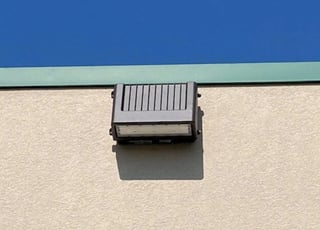
Ready to Upgrade Your Lighting?
Our LED lighting experts can help you find the right fixtures for your project.
Call 800-674-9420
Monday–Friday, 8am–5pm PST
or email [email protected]

Dara Greaney is founder and CEO of LED Light Expert with deep expertise in LED fixtures and light design.
Editing by David Peguero.

Trusted by Thousands
Our customers love us — and we love them back.


-
 Free Shipping
On orders over $49.00
-
 Free Extended Warranty
Up to 7 Years Free Warranty On LED Lights
-
100% Satisfaction Guarantee
