Quick Answer
If lights are stolen, photograph the damage, list missing fixtures by model or invoice, file a police report, notify the property owner or insurer, and watch resale listings. For prevention, use tamper-resistant hardware, locked access covers, cameras, motion alerts, and lighting layouts that leave fewer dark approach points.
In recent years, there has been a growing concern among property owners, municipalities, and businesses regarding the theft of LED lights. As technology advances and LED lighting becomes more widespread due to its energy efficiency and long lifespan, these lights have unfortunately become prime targets for thieves.
We’re here to shed light on the increasing issue of stolen lights, particularly LED lights, and provide you with practical steps to safeguard your property and what to do if you fall victim to such thefts.
Understanding the Problem: Why Are LED Lights Stolen?
High Value and Demand for LED Lights
LED lights are highly valued in today's market. Their energy efficiency, low maintenance costs, and environmental benefits make them a popular choice for both residential and commercial properties. This high demand has inadvertently made them a profitable target for thieves. The relatively higher upfront cost of LED lights compared to traditional lighting solutions adds to their appeal, making them a sought-after item for resale.
Ease of Resale in Secondary Markets
One of the primary reasons behind the surge in stolen lights is the ease with which they can be resold in secondary markets. LED lights, especially those used for outdoor lighting, are often stolen and quickly sold through various channels, including online marketplaces, flea markets, and even to unsuspecting contractors looking for cheaper supplies. The anonymity provided by these resale platforms makes it challenging to trace stolen goods back to their original owners, encouraging thieves to continue targeting these valuable items.
Durability and Longevity of LED Lights Making Them Desirable
The durability and longevity of LED lights make them particularly desirable for thieves. Unlike traditional lighting options that need frequent replacements,
LED lights are built to last for years, making them a one-time investment for buyers in the secondary market. Their robust construction means that they are less likely to be damaged during the theft process, further increasing their resale value. In addition, their compact size and lightweight nature make them easy to steal and transport, adding to the allure for thieves looking to make a quick profit.
Understanding why LED lights are targeted can help you take proactive measures to protect your property. In the next sections, we will discuss practical steps you can take to reduce theft risk and what to do if your lights are stolen.
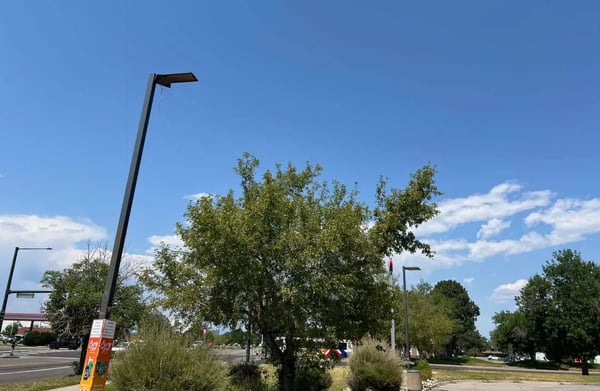
How Are LED Lights Stolen?
Common Methods Used by Thieves
Understanding the methods thieves use can help you better protect your LED lights. These are the most common ways thieves remove fixtures, bulbs, and portable job-site lights.
Breaking and Entering into Properties
One of the most straightforward methods thieves use is breaking and entering. This can occur at any property, whether it’s a business, a residential home, or a public building. Thieves often target these places during the night when it’s less likely they’ll be caught in the act. They may use tools to force doors or windows open, gaining access to the lights.
Tampering with Outdoor Fixtures
Outdoor
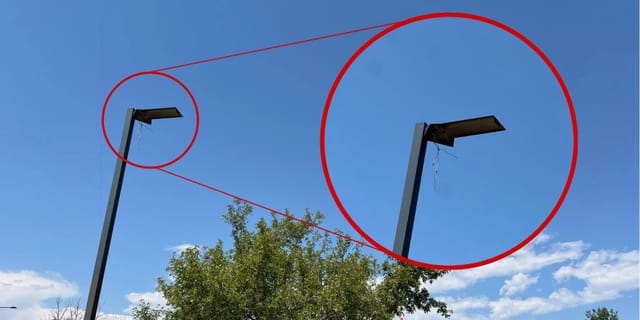
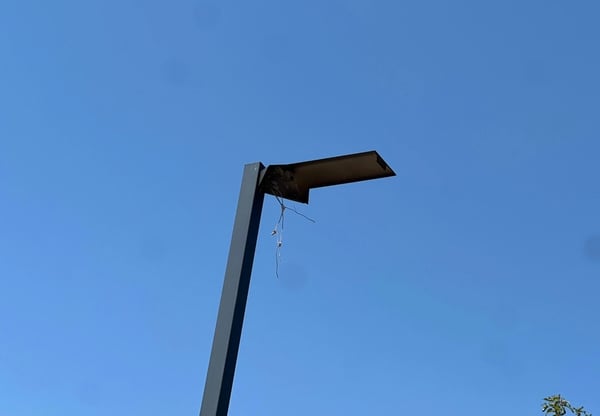
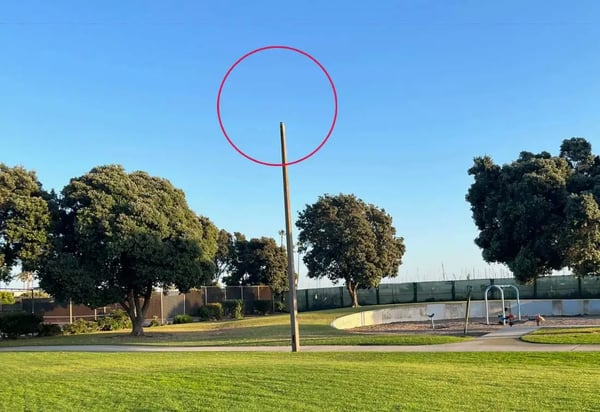
LED lighting fixtures are particularly vulnerable because they are often accessible without needing to break into a building. Thieves might tamper with the fixtures, using simple tools to dismantle and steal the lights. They may cut power supplies, unscrew bulbs, or remove entire fixtures, depending on how the lights are installed.
Theft from Vehicles or Construction Sites
Construction sites and vehicles are prime targets for thieves looking for LED lights. At construction sites, expensive lighting equipment is often left overnight, sometimes without adequate security. Thieves can quickly grab these lights and disappear before anyone notices. Similarly, lights stored in vehicles, particularly work trucks and vans, can be easily stolen if not securely locked.
Vulnerable Areas and Scenarios
Certain areas and scenarios are more prone to theft of LED lights. By identifying these vulnerabilities, you can take steps to safeguard your property.
Parking Lots, Construction Sites, Residential Properties
- Parking Lots: Large parking lots with minimal surveillance are hotspots for theft. Thieves can easily move around and dismantle lights without drawing much attention.
- Construction Sites: As mentioned, construction sites often have valuable lighting equipment that can be easily accessed. Poor security measures can make these sites an easy target.
- Residential Properties: Homes with extensive outdoor lighting are attractive to thieves, especially if the lights are not installed in hard-to-reach places or if the property lacks adequate security measures.
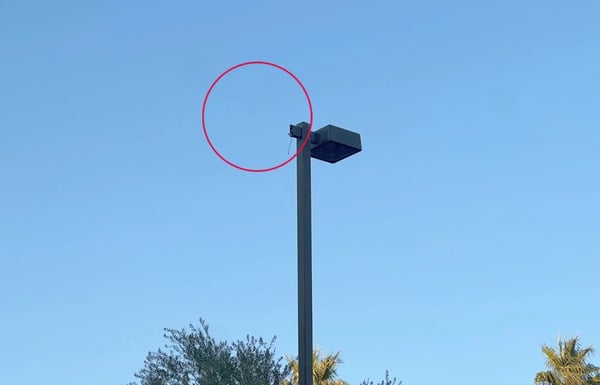
Immediate Steps to Take If Your Lights Are Stolen
If you find yourself a victim of light theft, acting swiftly can help in recovering your property and preventing future incidents. Here are the immediate steps you should take:
Documenting the Theft: Photos and Inventory of Missing Lights
First, document the theft thoroughly. Take photos of the affected areas and make a detailed inventory of the missing lights. This will be crucial when filing reports and claims. Note the make, model, and any unique identifiers of the stolen lights. It’s important to keep a record of your LED light purchase details in case you need them in the future.
Reporting to Authorities: Importance of Filing a Police Report
Next, report the theft to the local authorities. Filing a police report is essential not only for legal reasons but also because it provides an official record of the incident. The police can help investigate the theft and may recover your stolen lights if they are found.
Informing Your Insurance Company
Contact your insurance company to report the theft. Provide them with the photos, inventory list, and a copy of the police report. Depending on your policy, you may be eligible for compensation for the stolen lights. Prompt reporting can expedite the claims process.
Checking with Local Pawn Shops and Online Marketplaces
Finally, check with local pawn shops and online marketplaces where stolen goods are often sold. Provide them with descriptions and photos of your stolen lights. In some cases, you might be able to recover your property if it appears for sale. Keep an eye on these platforms and inform the authorities if you spot your stolen items.
By taking these steps, you can increase your chances of recovering your stolen LED lights and ensure that the necessary actions are taken to prevent future thefts. In the following sections, we will discuss long-term strategies to protect your LED lights from being stolen.
Preventive Measures: How to Stop Stolen Lights
Taking proactive steps to secure your LED lights can significantly reduce the risk of theft. Here are some effective preventive measures you can implement:
Installation of Security Cameras and Motion Detectors
Installing security cameras around your property is one of the most effective deterrents against theft. Visible cameras can discourage would-be thieves, while the footage can be invaluable for identifying and apprehending perpetrators. Complement your camera system with motion detectors, which can alert you to any unusual activity around your LED lights, allowing for a swift response.
Using Tamper-Proof Fixtures and Fasteners
Using tamper-proof fixtures and fasteners for your LED lights can make it significantly harder for thieves to steal them. These specialized fixtures are designed to be difficult to dismantle without the proper tools, thereby discouraging theft. Consider investing in fixtures with security screws or locking mechanisms to add an extra layer of protection.
Regular Maintenance and Checks
Regularly inspecting and maintaining your lighting fixtures can help you identify and address potential vulnerabilities. Check for any signs of tampering or wear and tear that could make your lights easier targets for thieves. Keeping your lighting system in good condition ensures it remains secure and functional.
Neighborhood Watch Programs and Community Vigilance
Engaging in neighborhood watch programs and fostering a sense of community vigilance can be highly effective in preventing theft. Encourage your neighbors to keep an eye out for suspicious activity and report it immediately. A strong community presence can make suspicious activity easier to notice and report.
Security Lighting and Alarms
Investing in security lighting and alarms can provide an additional layer of protection for your property.
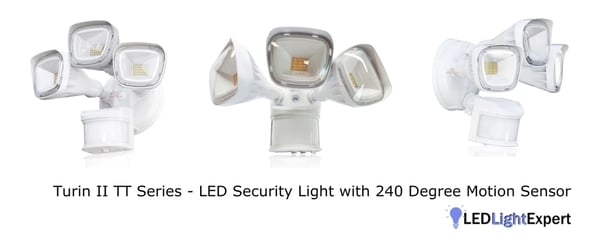
LED security lights with motion sensors can illuminate your property whenever movement is detected, startling potential thieves and alerting you to their presence. Alarms can be integrated with your lighting system to provide an audible deterrent when tampering is detected, further discouraging theft.
Stolen Lights What to Do: Buyer and Maintenance Checks
A good stolen lights what to do decision starts with the real installation conditions, not just the product name. Check the application, mounting height, voltage, light level, glare, controls, wet or dust exposure, service access, and whether a photometric layout or qualified installer is needed before ordering.
| Check | Why it matters |
|---|
| Application | Confirms the fixture, lamp, control, or accessory fits the actual space and task. |
| Mounting and wiring | Prevents fit, voltage, access, and safety problems during installation. |
| Controls and maintenance | Protects energy savings, usability, troubleshooting, and long-term performance. |
Frequently Asked Questions
How Common is the Theft of LED Lights?
The theft of LED lights has become increasingly common due to their high value and demand. As more properties adopt
LED lighting for its energy efficiency and longevity, these lights have become attractive targets for thieves looking to resell them in secondary markets.
What Types of LED Lights are Most Often Targeted?
Thieves typically target LED lights that are easily accessible and have high resale value. Outdoor LED floodlights, streetlights, and security lights are common targets due to their widespread use and higher cost. Smaller, portable LED lights used on construction sites or in vehicles are also frequently stolen.
Are Certain Locations More Prone to Theft?
Yes, certain locations are more prone to the theft of LED lights. Construction sites, parking lots, and poorly lit residential areas are common targets due to the ease of access and the valuable equipment present. Properties with poor visibility, easy access, and limited documentation can be harder to protect and harder to support during a claim.
Can Insurance Cover the Cost of Stolen Lights?
In many cases, insurance can cover the cost of stolen lights, but it depends on your specific policy. Review your insurance coverage and understand the terms related to theft before assuming replacement cost will be covered. Filing a police report and providing documentation of the stolen items can help expedite the claims process.
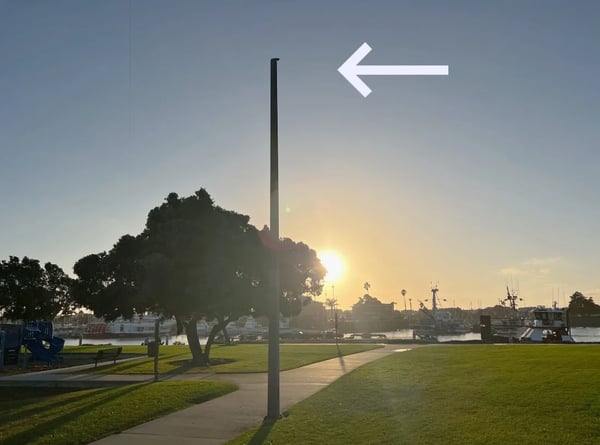
Conclusion
The theft of LED lights is a growing concern, but understanding the problem and taking proactive measures can help protect your property. By installing security cameras, using tamper-proof fixtures, maintaining your lighting system, fostering community vigilance, and investing in security lighting and alarms, you can significantly reduce the risk of theft.
If your lights are stolen, act quickly by documenting the theft, reporting it to authorities, informing your insurance company, and monitoring resale platforms. With these steps, you can safeguard your LED lighting and maintain the security of your property.





 Free Shipping
 Free Extended Warranty