Illuminating parking lots is not just about keeping the area lit; it is a critical component of safety, security, and visibility for businesses, institutions, and public spaces.
Effective lighting deters potential security threats, reduces accident risk, and makes a property feel easier to navigate.
With advances in LED lighting, parking lot owners can choose from traditional HID fixtures, LED shoebox lights, floodlights, solar options, and motion-sensor systems. The right choice depends on pole height, lot size, required light levels, energy goals, controls, and local code.
Quick Answer
The main types of parking lot lights are LED shoebox lights, LED floodlights, solar LED lights, motion-sensor LED fixtures, and older metal halide or high-pressure sodium fixtures. For most new projects and retrofits, LED shoebox lights are the standard pole-mounted choice because they provide controlled area coverage, instant-on performance, long life, and lower energy use than legacy HID systems.
Traditional Parking Lot Lighting Options
Metal Halide Lights:
Metal Halide Lights have long been a choice among the types of parking lot lights, celebrated for their brightness and a broad color spectrum that allows for natural color rendering.
Despite their benefits, metal halide lights also come with certain drawbacks, such as a noticeable warm-up time before reaching optimal brightness, a gradual decrease in efficiency over time, and higher energy consumption when compared to the latest lighting technologies.
As the demand for more energy-efficient and cost-effective lighting solutions grows, the spotlight has increasingly shifted towards alternatives that offer similar or improved lighting quality without the associated downsides.
High-Pressure Sodium (HPS) Lights:
High-Pressure Sodium (HPS) Lights represent another traditional option within the different types of parking lot lights, known for their efficiency and durability. Emitting a distinctive amber glow, HPS lights have been a go-to solution for many parking lot lighting needs, thanks to their low operational costs and commendable area coverage.
However, the trade-off for this efficiency is their low Color Rendering Index (CRI), which compromises the ability to accurately perceive colors under their light. This characteristic can pose challenges in environments where the true color representation is crucial for safety and aesthetics.
Despite these limitations, HPS lights have maintained their popularity in various applications, underscoring the diversity and specific utility found across the spectrum of parking lot lighting solutions.
Why Choose LED Parking Lot Lights Over Traditional Lighting Options
LED (Light Emitting Diode) technology has revolutionized outdoor lighting, including parking lots.
LEDs offer numerous advantages over traditional metal halide and HPS lights, such as significantly lower energy consumption, longer lifespans, improved durability, and better light quality.
These benefits not only contribute to cost savings but also enhance the safety and security of parking areas by providing clear, uniform lighting that improves visibility and reduces dark spots.
Types of LED Parking Lot Lights

LED Floodlights
Overview of LED Floodlights
LED floodlights stand out for their ability to provide broad, bright illumination, making them a go-to choice for general area
lighting in parking lots. These lights are engineered to cover large areas with a uniform distribution of light, reducing shadows and dark spots that can compromise safety.
The adaptability of LED floodlights allows for strategic placement around parking lots, ensuring that every corner and pathway is well-lit. This not only enhances the functionality of the space but also contributes to a sense of security for those who use it.
Benefits of LED Floodlights
- Directional Lighting: One of the most significant advantages of LED floodlights is their capability for directional lighting. Unlike traditional lighting options that might waste energy by emitting light in all directions, LED floodlights can be aimed precisely where needed.
- Uniform Illumination: Achieving uniform illumination is crucial in parking lot environments to avoid creating blind spots or areas of deep shadow. LED floodlights are designed to produce a broad, even light that covers surfaces uniformly, enhancing visibility across the entire parking lot.
- Energy Efficiency: LEDs are known for their energy efficiency, and LED floodlights are no exception. They consume significantly less electricity than traditional lighting solutions, leading to substantial cost savings over time. This efficiency does not come at the expense of performance; LED floodlights provide exceptional brightness and color quality, making them an economically and environmentally sustainable choice for parking lot lighting.
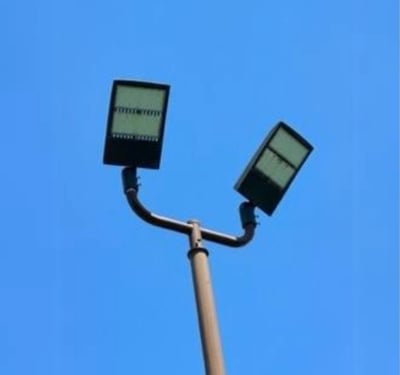
LED Shoebox Lights:
Overview of LED Shoebox Lights
LED shoebox lights, with their distinctive rectangular shape that mimics the look of a shoebox, are engineered for efficiency and versatility, especially in pole-mounted applications. This design is not only aesthetically pleasing but also functional, allowing for optimal light distribution across parking lots.
The compact and sleek design of
LED shoebox lights makes them a preferred choice for illuminating vast areas without the bulky appearance of traditional fixtures. These lights are mounted on poles and can be adjusted to various angles, ensuring that light is directed exactly where it is needed.
This adaptability makes LED shoebox lights suitable for a range of parking lot sizes and layouts, from small lots to sprawling commercial complexes.
Advantages of LED Shoebox Lights:
- Enhanced Efficiency: LED shoebox lights are known for their energy efficiency compared to traditional lighting. They consume less power, leading to lower energy bills and a reduced carbon footprint.
- Superior Illumination: With their one of a kind design, these lights provide optimal light distribution, ensuring wide coverage and illumination of commercial parking lots, that in turn enhances visibility and safety.
- Versatile Design: The rectangular shape, that actually looks like a shoebox, is not only aesthetically pleasing but also functional. This design allows the angles to be adjusted making it possible to focus light exactly where you need it, regardless of the parking lot's size or layout.
- Durability: LED shoebox lights are constructed to withstand harsh outdoor conditions, and they have a longer lifespan than conventional lighting solutions. Therefore you have less need for frequent replacements, saving time and maintenance costs.
- Improved Safety: These lights tend to minimize dark spots and shadows, which can improve visibility in vulnerable areas and reduce the risk of accidents, making parking areas safer for both pedestrians and drivers.
- Eco-Friendly: LED lights are known for being more environmentally friendly than their incandescent or halogen counterparts. They emit less heat and no harmful UV rays, contributing to a greener planet.
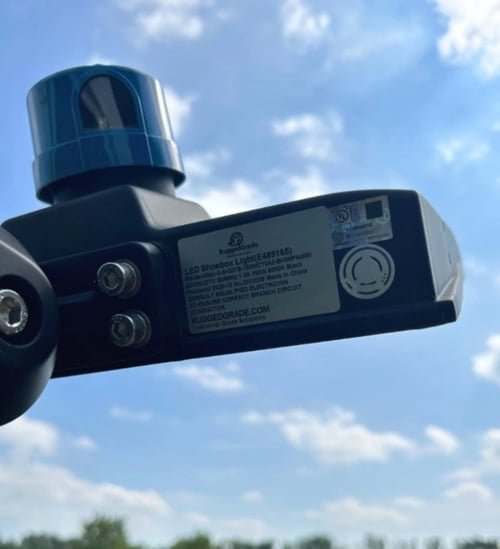
Specialty LED Parking Lot Lights
Solar-Powered LED Lights:
Solar-powered LED lights represent a groundbreaking shift in the types of parking lot lights, offering a sustainable lighting solution that harnesses renewable energy from the sun. This innovative approach to parking lot illumination not only supports off-grid capabilities, significantly reducing dependency on traditional power sources, but also leads to notable reductions in energy costs.
The environmental friendliness of solar-powered LED lights is a testament to their design, which minimizes carbon footprints and promotes a greener, more sustainable future.
By integrating solar panels with efficient LED technology, these lights provide reliable, cost-effective lighting for parking lots, making them an excellent choice for businesses and communities looking to invest in renewable energy solutions.
Motion Sensor LED Lights:
Motion sensor LED lights are a transformative addition to the spectrum of types of parking lot lights,
designed to elevate security and operational efficiency. These innovative fixtures illuminate only in response to detected motion, which significantly conserves energy by reducing unnecessary lighting.
The advantages of motion sensor LED lights extend beyond energy savings; they also play a crucial role in enhancing safety for pedestrians and vehicles alike. By instantly lighting up when activity is detected, they provide immediate visibility in crucial moments, thereby deterring potential security threats and reducing the risk of accidents in parking areas.
This smart technology integration makes motion sensor LED lights a preferred choice for businesses and institutions seeking an effective, energy-efficient lighting solution that prioritizes the well-being of those who use their parking facilities.
How to Choose the Best LED Parking Lot Lights
Energy Efficiency and Cost Savings:
When exploring the types of parking lot lights, the energy efficiency and potential cost savings of LED options stand out as key considerations. Opting for LED lights with high lumens per watt ratios is crucial, as this indicates a higher light output for each unit of energy consumed, marking a significant stride towards sustainability and cost-effectiveness.
"By prioritizing energy efficiency in your lighting choices, you are not just cutting down on electricity bills; you are also taking a step forward in reducing our environmental footprint,"- Miguel P. - Product Manager at LED Light Expert.
These lights offer a dual benefit: they significantly lower operational costs over time and contribute to environmental conservation by reducing energy consumption. This alignment of economic and ecological advantages underscores the importance of selecting LED parking lot lights that boast superior efficiency and sustainability.
Compliance and Certifications:
The importance of compliance and certifications cannot be overstated. It's crucial to select LED parking lot lights that adhere to industry standards and regulations, such as those designated by the
DesignLights Consortium (DLC) Premium and Underwriters Laboratories (UL). These certifications serve as a hallmark of quality, safety, and reliability, offering a layer of assurance that the lighting products not only meet but often exceed high-performance criteria.
Such compliance ensures that installations are up to current standards, reducing the risk of potential safety hazards and ensuring a level of performance that aligns with the latest in lighting technology advancements.
In essence, certifications and compliance are not just formalities; they are essential considerations that reflect the commitment to delivering safe, efficient, and reliable lighting solutions for parking lots.

Installation and Maintenance Considerations for LED Parking Lot Lights
Assessing Lighting Requirements:
When planning the installation of types of parking lot lights, taking a meticulous approach to assessing your parking lot's lighting requirements is indispensable. This preliminary step involves a thorough evaluation of the parking lot's dimensions, layout, and any existing lighting infrastructure.
Key factors to consider include the desired intensity of illumination (measured in lumens), the uniformity of light distribution across the space to avoid creating pockets of shadow or overly bright areas, and the color temperature of the lighting, which can influence both the aesthetic appeal and the clarity of visibility in the area.
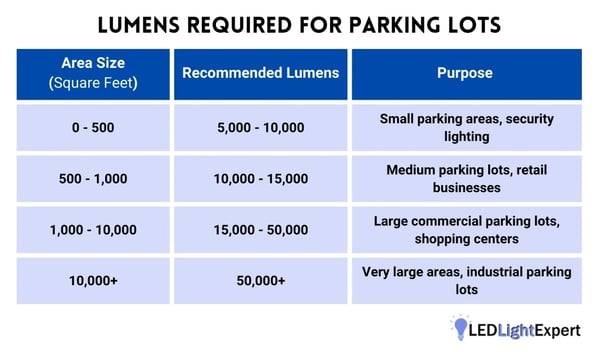
When planning the lighting for a parking lot, understanding the role of lumens is crucial to ensure the area is adequately illuminated. Here's a quick guide to help you estimate the lumens required for parking lots of various sizes:
Selecting the ideal types of parking lot lights is more than a matter of illumination; it's a critical decision that impacts the safety, security, and overall welcoming nature of your property. Traditional lighting technologies, including metal halide and high-pressure sodium (HPS) lights, have laid the groundwork for outdoor lighting with their widespread use and reliability.
However, as we move forward, the evolution of lighting technology, particularly LED (Light Emitting Diode) technology, has introduced a paradigm shift in how we approach parking lot illumination. LED lights stand out for their unmatched efficiency, exceptional longevity, and superior light quality, making them a compelling choice for modern lighting needs.
The advancement in LED technology has ushered in a plethora of innovative lighting options, ranging from different types of parking lot lights such as dynamic LED floodlights known for their broad and
uniform coverage, to aesthetically pleasing and efficient LED shoebox lights, and onto the cutting-edge solar-powered and motion sensor LED lighting solutions that champion sustainability and security.
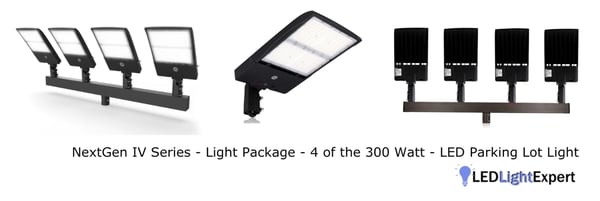
Each of these options offers unique benefits tailored to diverse lighting requirements, emphasizing the versatility and adaptability of LED technology in meeting contemporary lighting challenges.
In making an informed decision on
the best LED parking lot lights for your space, it's essential to weigh several key considerations. Energy efficiency stands at the forefront, with LED lighting significantly reducing power consumption and, by extension, operational costs. Compliance with industry standards and certifications ensures that your lighting choice not only meets but exceeds safety and performance benchmarks, providing peace of mind and reliability.
Furthermore, understanding the specific lighting needs of your parking lot, from layout and size to the desired ambiance, is crucial in selecting a lighting solution that not only illuminates but enhances your property, always consult with a professional light expert and make sure a proper light study is performed.
Conclusion
In conclusion, the shift towards LED lighting in parking lots is not just a trend but a reflection of the growing emphasis on sustainability, safety, and cost-efficiency in lighting solutions.
By embracing LED technology and considering the broad spectrum of available lighting options, property owners and managers can illuminate their parking spaces more effectively and sustainably, ensuring a safe, secure, and inviting environment for all users.
Types of Parking Lot Lights: Buyer and Maintenance Checks
A good decision on parking lot light types starts with the real installation conditions, not just the product name. Check the application, mounting height, voltage, light level, glare, controls, wet or dust exposure, service access, and whether a photometric layout or qualified installer is needed before ordering.
| Check | Why it matters |
|---|
| Application | Confirms the fixture, lamp, control, or accessory fits the actual space and task. |
| Mounting and wiring | Prevents fit, voltage, access, and safety problems during installation. |
| Controls and maintenance | Protects energy savings, usability, troubleshooting, and long-term performance. |
Frequently Asked Questions
What are the main types of parking lot lights?
The main types of parking lot lights include LED shoebox lights (the most common pole-mounted fixture), LED floodlights for broad area coverage, traditional metal halide lights, high-pressure sodium (HPS) lights, solar-powered LED lights for off-grid locations, and motion sensor LED lights for energy-saving security applications. LED options have largely replaced traditional fixtures due to their 50,000+ hour lifespan and 50–70% energy savings.
Why should I choose LED parking lot lights over metal halide or HPS?
LED parking lot lights consume 50–70% less energy than metal halide or HPS fixtures, last 3–5 times longer (50,000+ hours vs. 10,000–20,000 hours), turn on instantly with no warm-up period, and deliver a higher Color Rendering Index (CRI) for better visibility and color accuracy. The total cost of ownership is significantly lower because LEDs also require far less maintenance and fewer replacements over their lifespan.
How many lumens do I need for a parking lot?
Lumen requirements depend on the size of the lot and mounting height. A small parking lot (under 10,000 sq ft) typically needs 15,000–30,000 lumens per fixture, a mid-size lot (10,000–50,000 sq ft) needs 30,000–60,000 lumens per fixture, and large commercial lots may require 60,000+ lumens per fixture mounted at 25–35 feet. A professional photometric study ensures uniform light distribution and helps avoid dark spots.
What is the difference between LED shoebox lights and LED floodlights?
LED shoebox lights are rectangular pole-mounted fixtures designed specifically for parking lots and roadways. They provide a controlled, directional beam pattern optimized for uniform ground coverage. LED floodlights produce a wider, more symmetrical beam and are typically used for general area lighting, building facades, or supplemental coverage. Shoebox lights are the standard choice for parking lot poles, while floodlights are better suited for wall-mounted or perimeter applications.
What certifications should parking lot lights have?
Look for UL listing (safety certification from Underwriters Laboratories), DLC Premium qualification (required for most utility rebate programs), and an IP65 or higher ingress protection rating for weather resistance. DLC Premium certification confirms the fixture meets strict efficacy and performance standards, and many utility companies require it to qualify for LED retrofit rebates that can offset 30–50% of the project cost.




 Free Shipping
 Free Extended Warranty